
Wholesale Laser Safety Glasses: Essential Buying Tips for Maximum Protection
2026-05-20
Stocking up on laser safety glasses in bulk is anything but straightforward. You're juggling standards, lens ratings, and comfort—all while knowing a single oversight could lead to serious eye hazards. That's where LASERPAIR changes the game. With a focus on precision protection and wholesale-ready solutions, getting it right from the start becomes second nature. Ready to cut through the noise?
Understanding Laser Wavelengths and Their Risks
Lasers aren't just about visible beams cutting through air—their wavelength determines everything from how they interact with materials to the kinds of hazards they pose. Shorter wavelengths, like ultraviolet, pack enough energy to break chemical bonds and damage DNA, which is why they can cause burns or even skin cancer without proper shielding. On the other end, infrared lasers feel like heat because they excite molecular vibrations, potentially burning skin or igniting flammable substances before you realize anything's wrong. The risk isn't always obvious: a beam that seems harmless because it's invisible can be more dangerous precisely because your blink reflex won't kick in.
What complicates matters is that different wavelengths penetrate tissue to varying depths. A visible green laser might scatter through the eye's vitreous humor and hit the retina, while a near-infrared beam can reach the retina with little scattering, delivering a concentrated dose to a tiny spot. This means two lasers with the same power output can have dramatically different hazard levels. The eye is particularly vulnerable because it focuses laser light onto the retina, amplifying the intensity by orders of magnitude—a 1 milliwatt laser can become a 100 watt per square centimeter spot of damage. Even reflections off shiny surfaces can cause retinal burns if you catch the wrong angle.
Understanding these nuances isn't just academic—it shapes how safety standards are built. For instance, laser classes consider not only output power but also wavelength and accessible emission limits. A Class 3B laser at 532 nanometers might require different controls than one at 1064 nanometers, even with similar power. Ultraviolet and far-infrared lasers often get lumped into stricter categories because their damage mechanisms are cumulative or hard to detect. The takeaway? Wavelength isn't just a technical specification; it's the single biggest factor in predicting what a laser can do to you, intentionally or otherwise.
Lens Material Choices That Go Beyond Basic Protection
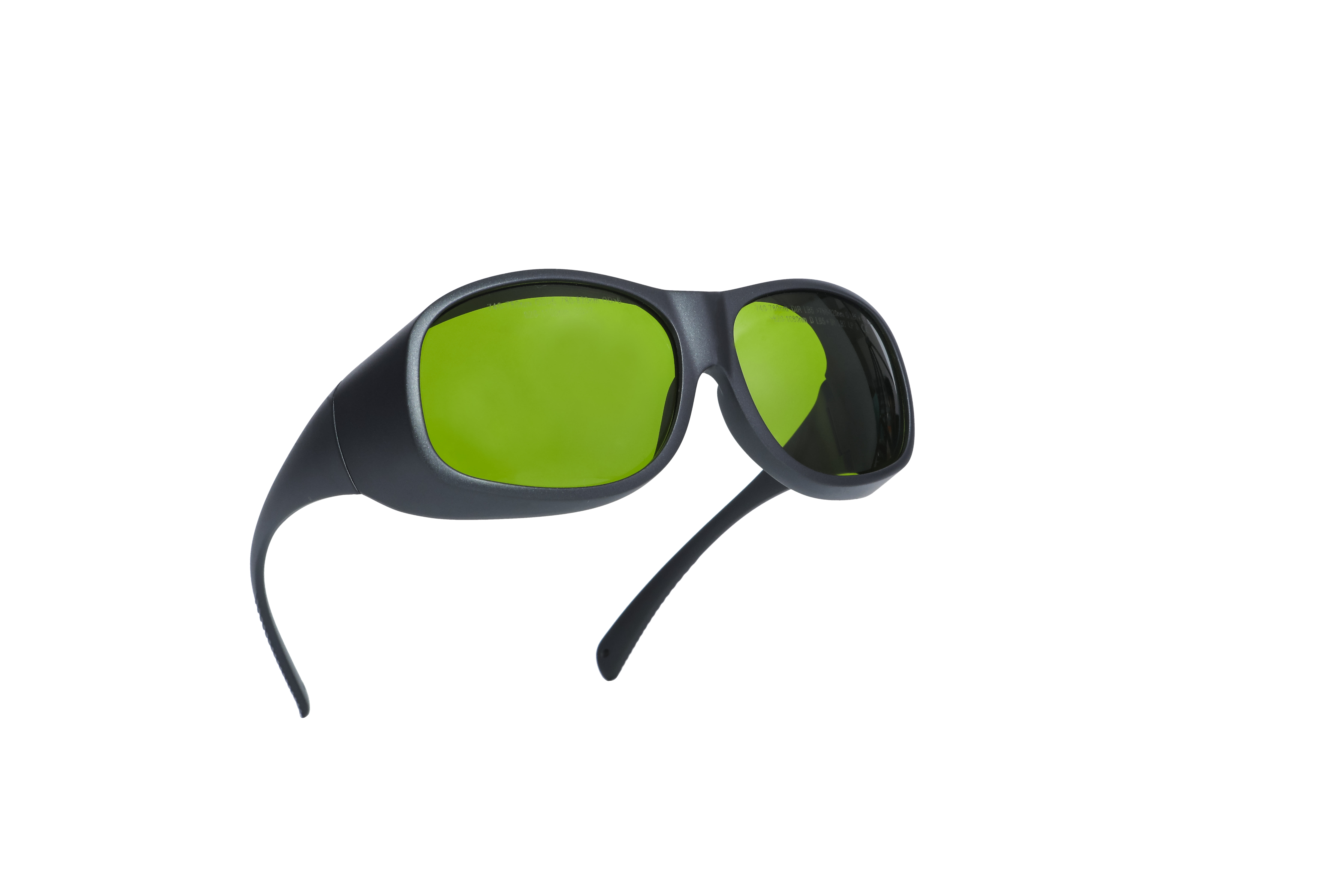
Choosing a lens material isn’t just about shielding your eyes from impact—it’s about how those lenses feel after hours of wear, how they handle everyday knocks, and even how they frame your perception of the world. Polycarbonate, for instance, brings a featherlight sturdiness that’s hard to beat if you’re constantly on the move, while Trivex delivers a clearer window for those who hate even the slightest distortion. It’s less about raw defense and more about tailoring the entire visual experience to your rhythms.
Then there’s the subtle battle against the blue glow of screens or the glare that sneaks in from the side. Opting for a high-index lens might slim down a strong prescription, but pair it with a multi-layer coating and suddenly you’re not just seeing—you’re seeing without the dull haze of reflections. The material you pick sets the stage for all these enhancements, turning a simple pair of glasses into a tool that works as hard as you do, without ever making a fuss about it.
The Overlooked Importance of Frame Fit and Comfort
We spend so much time agonizing over lens coatings and frame shapes that the quiet, constant presence of our glasses against the skin fades into the background. Yet fit and comfort aren't minor details—they dictate whether you reach for your glasses in the morning or leave them in the case. A frame that digs in behind the ears or slips down your nose isn't just an annoyance; it's a barrier to seeing clearly. When discomfort becomes routine, people naturally wear their glasses less, and that subtle compromise can strain your vision, disrupt focus, and even trigger tension headaches you might never connect to your eyewear.
The anatomy of a good fit goes far beyond a single measurement. It's about how the bridge sits on your nose without pinching, whether the temple tips curve just so behind your ears, and how the weight of the entire assembly is balanced across your face. A frame that seems fine during a quick try-on in the shop can reveal its faults after an hour of work or a brisk walk in the heat. Those faint red marks on your nose, the need to push your glasses back up while reading—these are signs of a frame that's working against you rather than with you. Truly comfortable glasses feel forgettable; you notice them only when you reach up to find they've been there all along, silently doing their job.
There's also a deeper layer to comfort that affects how we present ourselves. Ill-fitting glasses can make you fidget, which reads as nervousness or distraction, while a pair that sits just right projects calm assurance. When you're not constantly adjusting your eyewear, you engage more naturally with everyone around you. The right fit turns a piece of medical necessity into a seamless extension of your body—one that supports your lifestyle instead of interrupting it. Over time, that subtle ease becomes part of your identity, letting your personality take center stage rather than your struggling spectacles.
Decoding Optical Density and Visible Light Transmission
Optical density and visible light transmission might sound like technical jargon, but they sit at the heart of how we experience light in everyday materials. Think of optical density as a material's appetite for light—the higher it is, the more light gets absorbed or scattered rather than passing through. Visible light transmission, on the other hand, tells you exactly what percentage of the light your eyes perceive makes it from one side to the other. Together, they shape everything from the clarity of your sunglasses to the energy performance of office windows.
The relationship between these two metrics isn't always a simple inverse, and that's where things get interesting. A material might boast high visible light transmission yet still feel dim or dull if its optical density is tuned to swallow specific wavelengths. Manufacturers of architectural glass or eye protection devices play a delicate balancing act here, tweaking coatings and tints to fine-tune which parts of the spectrum get through. It's less about blocking light outright and more about sculpting it—letting in plenty of natural brightness while keeping out harmful UV or excessive glare.
In practical terms, understanding these numbers helps you decode why one window film feels brighter than another or why some lenses reduce eye strain without looking dark. When you see a product labeled with VLT percentages, you're gazing at a distilled measure of how it manages optical density across the visible range. The real mastery lies in applications where neither value is maximized but optimized—where a lens helps you see vivid colors under harsh sun, or a pane of glass invites daylight yet shields interiors from prying eyes. It's a subtle science that turns passive materials into active light managers.
How Certification Labels Separate Quality from Claims
In a market flooded with bold statements and flashy packaging, certification labels act as a quiet but powerful filter. They cut through the noise by tying product quality to verifiable standards, not just advertising copy. When a shampoo bottle claims to be organic, it's just words until a recognized certifier has audited the supply chain and confirmed no prohibited chemicals were used. That small logo transforms an unverifiable promise into a documented fact, giving buyers a reliable shortcut to identify what genuinely meets their expectations.
The separation happens because certification demands proof that self-declared claims often lack. A company can print “eco-friendly” on their box without any oversight, but a label like Energy Star or Fair Trade requires data, inspections, and ongoing compliance. This creates a clear divide: on one side, you have subjective assertions that may or may not hold up; on the other, you have goods that have survived a rigorous review. For consumers tired of guesswork, that distinction is everything. It moves the conversation from “trust us” to “we’ve been checked.”
Over time, these labels also reshape markets by raising the bar for what counts as quality. When enough buyers start leaning on certification to make choices, the unsubstantiated claims begin to feel hollow. Producers either adapt to meet the standard or risk being seen as inferior. The label becomes more than a sticker—it’s a visible line between those who invest in transparency and those who lean on clever wording. In this way, certification doesn’t just inform a single purchase; it gradually pressures entire industries to put substance behind their sales pitch.
Bulk Buying Strategies Without Sacrificing Safety Standards
When purchasing in large quantities, the temptation to cut corners on safety can be strong, especially if suppliers dangle deeper discounts. But experienced buyers know that a single safety failure can wipe out any upfront savings. The key is to start by building a shortlist of vendors with verifiable track records—those who openly share their testing protocols and welcome third-party audits. Instead of rushing into volume deals, smart procurement teams run small trial orders first, examining everything from material composition to compliance certificates before committing to full shipments.
Another approach is to embed safety clauses directly into contracts, making compliance non-negotiable and tying payment milestones to passed inspections. This creates a shared responsibility, encouraging suppliers to maintain standards rather than treating safety as an afterthought. Regular, unannounced spot checks at the production site can also deter shortcuts, while keeping communication lines open ensures that any minor issues are flagged early—not discovered too late in the process.
Finally, diversifying your supplier base reduces over-reliance on a single source, which can pressure you into settling for lower safety just to keep inventory flowing. By splitting orders across two or three vetted partners, you maintain leverage and can pivot quickly if one party drops the ball. This kind of planning doesn't just protect users—it also preserves the long-term reputation of your brand.
FAQ
Concentrate on the optical density (OD) and wavelength coverage that match your specific laser systems, and ensure the glasses meet ANSI Z136 or EN 207 standards. Comfort and fit matter too since workers will wear them for hours.
Ask the manufacturer for test reports from an accredited lab, showing real OD values at your laser's exact wavelengths. Check for permanent markings on the frames and lenses indicating protection levels and standards compliance.
Wraparound designs with adjustable temples and a lightweight frame offer better coverage and comfort. Look for models with soft nose pads and ventilation to reduce fogging, especially if used with other PPE.
You might get lenses that bleach under high power or don't cover the right wavelengths, putting eyes at serious risk. The glasses could shatter on impact or lack proper certification, which is a liability nightmare.
Yes, many suppliers offer custom prescription lens inserts or roomy designs that fit over most corrective eyewear. Just confirm the insert doesn't shift protection and that the full assembly still meets safety standards.
You need to know the laser's maximum power or energy, beam diameter, and pulse duration. Use the formula OD = log10 (potential exposure / MPE) or consult a laser safety officer to avoid underspecifying.
Polycarbonate resists impact well, but for high-power lasers, coated glass lenses offer better scratch resistance and optical clarity. Check for anti-fog and anti-scratch coatings that don't degrade the protective filter.
Conclusion
When sourcing wholesale laser safety glasses, the first step is matching the eyewear to specific laser wavelengths and power levels. A deep understanding of emission spectra and potential hazards—whether from a 1064 nm Nd:YAG or a visible 532 nm beam—directly shapes material choices. Polycarbonate lenses often suffice for low-power visible ranges, but high-power or multi-wavelength environments might demand specialty glass or coated polymers that balance impact resistance with spectral attenuation. At the same time, frame design matters more than many realize; an ill-fitting pair that slides down the nose or pinches the temples will be abandoned in the workshop, negating all protective properties. Ergonomic touches like adjustable temples, rubberized nose pads, and lightweight yet durable wraps encourage consistent wear, blending safety with day-long comfort.
Beyond that, deciphering optical density (OD) and visible light transmission (VLT) figures reveals the true performance behind marketing claims. A higher OD means stronger attenuation, but VLT dictates how much ambient light gets through, affecting visibility in dim environments—a critical trade-off often overlooked. Certification marks from ANSI, EN, or equivalent bodies are non-negotiable; they separate lab-tested filters from vague promises. When buying in bulk, insist on lot-specific test reports and full traceability rather than relying on generic spec sheets. Smart procurement means negotiating for consistent batch quality, verifying that all units meet the same certified OD and VLT thresholds, and building relationships with manufacturers who prioritize transparency over shortcuts. This approach guards profit margins without ever lowering the safety bar.
Contact Us
Contact Person: Jenny
Email: [email protected]
Tel/WhatsApp: +86 13537713281
Website: https://www.laserpair-safety.com/