
Wholesale Flame Resistant Clothing: Essential Safety Gear for Industrial Workforces
2026-07-17
In high-risk industrial environments, the right protective gear isn't just an option—it's a lifesaving necessity. Wholesale flame resistant clothing offers a cost-effective way to equip entire teams with reliable protection, but not all FR apparel is created equal. DROTEX stands out by combining advanced fabric technology with uncompromising safety standards, ensuring your workforce stays shielded from arc flash, flash fire, and other thermal hazards. Discover why choosing the right wholesale partner can make all the difference when every second counts.
Why Flame Resistant Apparel Is Non-Negotiable on the Job
Workplace hazards can turn a routine shift into a catastrophic event in seconds. When fire, arc flashes, or combustible dust pose real threats, ordinary clothing becomes kindling rather than protection. That’s where flame resistant apparel steps in, not merely as attire but as a critical shield that can mean the difference between a close call and a life-changing injury.
This gear isn’t just about fabric treated to resist ignition—it’s engineered to self-extinguish, minimize burn severity, and give workers precious moments to escape danger. Wearing it consistently signals that safety isn’t open to compromise, reinforcing a culture where every individual takes responsibility for their own wellbeing and that of their team.
Regulations and industry standards set the baseline, but the true value lies in the daily choice to suit up correctly. When the unexpected strikes, having that barrier can prevent what might otherwise become a permanent scar, both physically and emotionally. On the modern job site, skipping flame resistant apparel simply isn’t an option.
Key Materials That Make FR Clothing Effective
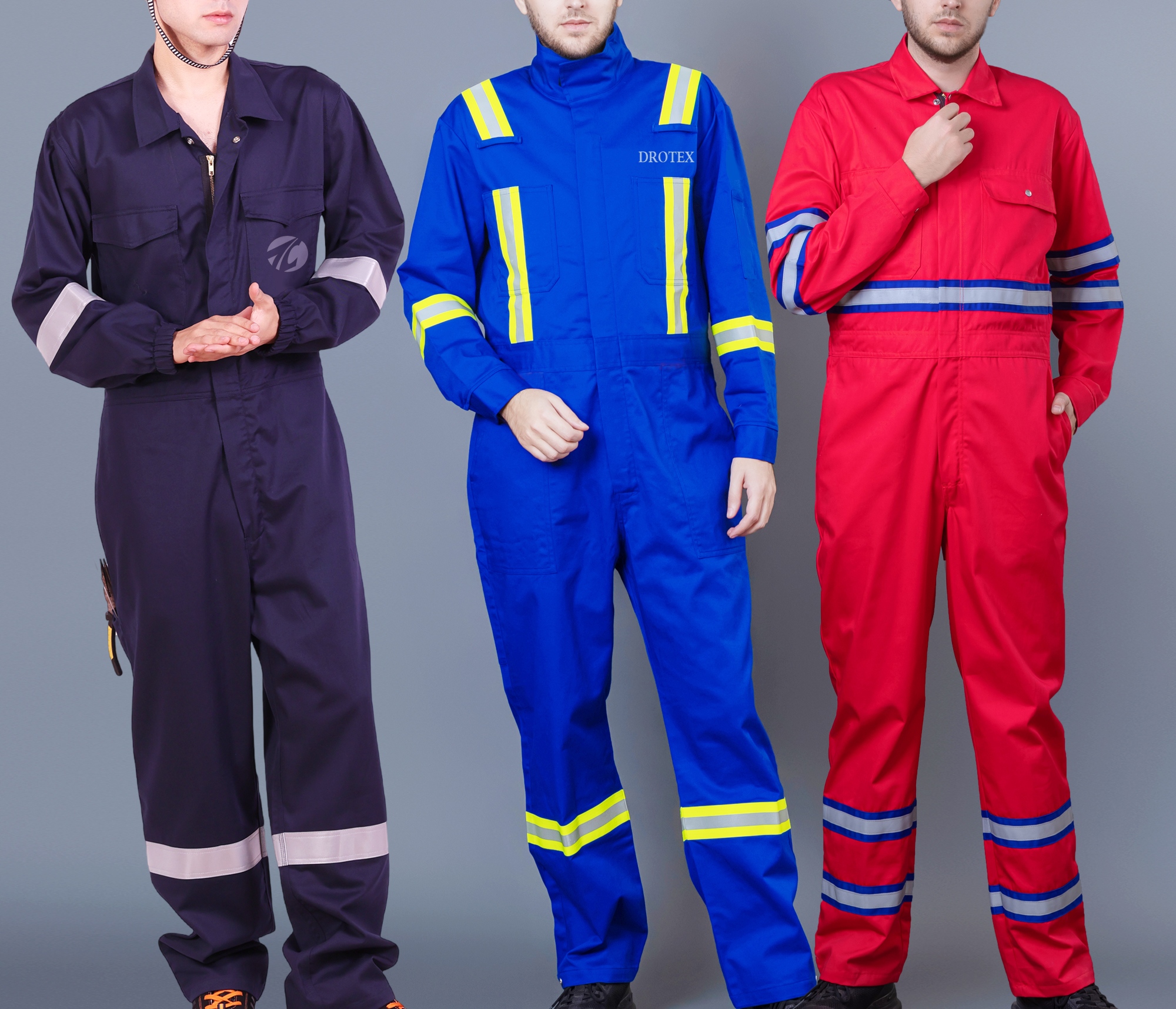
The effectiveness of flame-resistant clothing starts with the fibers woven into every thread. Unlike standard fabrics that ignite and melt, materials such as aramid, modacrylic, and treated cotton are engineered to resist ignition and self-extinguish almost instantly. These fibers form a protective barrier that prevents heat transfer and reduces the severity of burn injuries, buying critical seconds during an unexpected arc flash or flash fire.
Aramid fibers, including well-known variants like Nomex and Kevlar, offer inherent flame resistance due to their aromatic polyamide structure. When exposed to extreme heat, they carbonize and expand, creating a thick, insulating char that shields the skin. Modacrylics bring a different advantage: they starve flames by releasing non-combustible gases when heated, which interrupts the combustion process. Treated cotton, on the other hand, relies on chemical treatments that alter the fabric’s reaction to heat—swelling and forming a protective char layer rather than burning away.
The real magic happens when these materials are blended to balance durability, comfort, and protection. For instance, combining aramid’s strength with modacrylic’s softness yields garments that workers can wear for long shifts without compromising safety. This synergy ensures that FR clothing doesn’t just pass a single test—it performs reliably in real-world scenarios, where every layer and fiber works together to guard against thermal threats.
Industry Standards You Should Actually Care About
Not every standard deserves your team's attention. Some exist purely for paperwork, while others quietly shape how your product works, scales, or stays secure. The ones worth caring about tend to solve real problems you already face—like data portability, system integration, or long‑term maintenance headaches. If a standard doesn't make your day‑to‑day easier or your product harder to replace, it might just be noise.
Look for standards that have genuine adoption beyond a single vendor's ecosystem. True industry alignment shows up in open working groups, public errata, and implementers who compete on features rather than lock‑in. When multiple serious players commit their engineering time, you get more than a document—you get battle‑tested patterns that hold up under real‑world loads.
The acid test is what happens when you ignore a standard. If nothing changes, it was never a standard in practice. But if you see your support tickets rise, your APIs break silently, or your onboarding slows down, that's the one you should have paid attention to from the start.
How to Spot Quality in Bulk FR Orders
Sorting through stacks of flame-resistant gear can feel overwhelming, but a few practical checks separate the reliable from the risky. Start by looking beyond the spec sheet—run your hand along the inside of a sample garment. Quality FR fabrics often have a smoother, more consistent finish on the reverse side, a sign of careful weaving that holds up after industrial laundering. Check the weight and drape; materials that feel too stiff or papery might lose shape and comfort after repeated washes.
Next, examine the construction details that manufacturers hope you’ll overlook. Grab a sleeve and give it a gentle tug at the seams—if you hear popping or see uneven thread tension, that garment won’t last a single tough shift. Pay attention to the labels too: a legitimate lot number and a clear traceability code printed directly on the fabric hint at a maker who stands behind their product, not one pushing generic stock.
Finally, ask for a few pieces from different boxes in the shipment. Variations in color, stitching, or even the smell of chemical treatments between items signal inconsistent production batches. Consistent quality means every garment in an order should be nearly indistinguishable from the next, off the same line with the same care. Small flaws like uneven pocket alignment or loose bar tacks are red flags that performance could suffer when it matters most.
The Hidden Costs of Cutting Corners on Safety Gear
When companies decide to save a few dollars by opting for cheaper, substandard safety equipment, they often overlook the cascade of expenses that follow. A faulty harness or a pair of gloves that tear easily might seem like minor trade-offs, but the repercussions can be severe. Workplace injuries lead to medical bills, legal fees, and increased insurance premiums, not to mention the downtime while an injured employee recovers. These immediate financial drains are just the tip of the iceberg.
Beyond the balance sheet, there's a deeper toll on morale and trust. Employees who feel their well-being is compromised for the sake of cost-cutting lose faith in their employer. Productivity drops, absenteeism rises, and the company's reputation among potential hires takes a hit. High turnover becomes a silent drain on resources as recruitment and training costs pile up, all because someone chose to ignore the importance of reliable safety gear.
Then there are the long-term liabilities that can haunt a business. Regulatory fines for non-compliance can be staggering, and if an incident occurs, the accompanying lawsuits and settlement costs can be ruinous. Moreover, the brand damage from being known as a company that skimps on safety can deter clients and partners. Investing in quality safety equipment isn't just about compliance; it's about safeguarding the very foundation of the business against hidden costs that far outweigh any upfront savings.
Caring for FR Garments to Extend Their Lifespan
Extending the life of flame-resistant clothing starts with how you launder it. Skip the fabric softeners and starch—they coat the fibers and undermine the very protection you rely on. Instead, use a mild detergent and wash FR garments separately or with like-colored, non-greasy items to avoid contamination. Turn items inside out before washing to reduce surface abrasion, and fasten all closures to prevent snags. Water temperature matters less than you might think, but a warm rinse helps lift oily soils that can fuel a fire. Always check pockets for anything that might melt or abrade, and dry on a low or medium setting; high heat can set stains and slowly degrade the fabric’s integrity.
Between wears, a quick inspection goes a long way. Look for thinning areas, loose seams, or small tears—especially around cuffs and knees—and repair them promptly with FR-rated thread. Stubborn stains that won’t wash out aren’t just unsightly; they can mask a loss of flame resistance, so when home remedies fail, it’s time to consult a professional industrial laundry. Keep in mind that even the best care can’t stop gradual wear, but rotating multiple sets of FR gear lets each garment rest and dry thoroughly, slowing the breakdown of fibers. Store them in a cool, dry spot away from direct sunlight, which can weaken the fabric over time.
Lastly, treat repairs as part of routine upkeep, not a last resort. A small patch placed on the inside before a hole develops prevents it from growing and preserves the garment’s protective layer. If your work exposes you to heavy grime, consider a periodic deep clean that strips out embedded contaminants without harsh chemicals. And pay attention to the maker’s label—those care instructions aren’t generic boilerplate; they’re tailored to the specific blend of fibers and treatments. When you invest a little extra thought into daily habits, you’re not just saving money on replacements; you’re ensuring that your gear won’t let you down when it counts most.
FAQ
Flame resistant clothing is designed to self-extinguish once the ignition source is removed, minimizing burn injuries and giving workers precious seconds to escape hazardous situations.
You'll find FR clothing widely used in oil & gas, electrical utilities, chemical processing, welding, and firefighting – basically any field where flash fires, arc flashes, or combustible dust are a daily risk.
Purchasing in bulk cuts per-unit costs significantly, ensures consistent protection across the entire workforce, and simplifies inventory management so you never run short when new hires come on board.
Treated fabrics start as cotton or blends and are chemically infused for flame resistance, while inherent fabrics like aramids have FR properties built right into the polymer – neither is universally 'better,' it depends on your specific hazards and laundry routines.
Turn garments inside out before washing, skip fabric softeners and bleach, use liquid detergent without hydrogen peroxide, and repair any damage with FR-rated patches – home treatments like starch or bug spray can ruin the protection permanently.
The big ones are NFPA 2112 for flash fire protection, NFPA 70E for arc flash, and ASTM F1506 for electrical workers – if a garment doesn't carry these labels, it hasn't been through the required third-party testing.
Conclusion
When it comes to protecting industrial workforces, flame resistant clothing isn't just another line item—it's a fundamental layer of defense against arc flash, flash fire, and combustible dust hazards. The right FR gear relies on engineered fabrics like modacrylic blends, aramids, and treated cotton that self-extinguish once the heat source is removed, buying critical seconds for escape. Ignoring industry benchmarks such as NFPA 2112 or ASTM F1506 isn't an option; these standards validate that garments can prevent severe burns. For companies sourcing in bulk, the stakes are even higher. A low upfront price often masks hidden costs—premature fabric degradation, non-compliance fines, and increased injury liability. Settling for questionable imports or uncertified materials isn't a savings strategy; it's a risk no operation can afford.
Spotting quality in wholesale FR orders goes beyond checking a box. Look for consistent stitching, reliable labeling that references third-party certification bodies, and fabric that holds its protective properties after repeated industrial laundering. Comfort can't be sacrificed either—if workers find FR garments overly stiff or stuffy, they're more likely to roll up sleeves or unzip, undermining all protection. Finally, extending the lifespan of FR investment means following care instructions religiously: avoiding fabric softeners that coat flame-resistant fibers, repairing damage with certified materials, and removing flammable contaminants promptly. When every piece of gear performs as intended, businesses aren't just complying with safety regulations—they're building a culture where people make it home in one piece.
Contact Us
Contact Person: Sandy
Email: [email protected]
Tel/WhatsApp: 86150 8310 5120
Website: https://www.frdrotex.com