

Top Sewer Jetting Machines: Leading Company Reviews and Maintenance Tips
2026-04-10
Ever wondered what separates a flowing, efficient drainage system from a clogged, problematic one? The answer often lies in the powerful equipment used behind the scenes. In the world of industrial and municipal maintenance, sewer jetting machines play a crucial role in keeping pipelines clear and functional. But how do you choose the right one, and what does it take to ensure its longevity? Welcome to our in-depth exploration of top sewer jetting machines, where we dive into leading company reviews and essential maintenance tips. Whether you're a seasoned professional or new to the field, understanding these tools can make all the difference in your operational efficiency. And speaking of top-tier solutions, we'll be highlighting innovations from AMJET, a brand that's redefining standards with cutting-edge technology and reliability. Stick around as we unpack the features, performance, and upkeep strategies that set the best machines apart—and discover how AMJET is leading the charge in this vital industry. Ready to clear the path to better maintenance? Let's get started!
Key Features to Look for in Top Sewer Jetting Machines
When you're in the market for a sewer jetting machine that truly stands out, focus on the power output and versatility. Look for models with adjustable pressure settings—ideally ranging from 1,500 to 4,000 PSI—so you can tackle everything from routine drain cleaning to stubborn clogs without damaging pipes. A robust engine, whether gas or electric, ensures consistent performance, while a high-flow water pump, around 5-10 gallons per minute, helps blast away debris effectively. Don't just settle for raw power; check if it includes multiple nozzle options for different tasks, like forward-facing jets for heavy blockages or spinner nozzles for thorough cleaning.
Ease of use and durability are game-changers in this field. Top machines feature user-friendly controls, such as ergonomic handles and clear gauges, minimizing operator fatigue during long jobs. Look for a compact, portable design with sturdy wheels and a lightweight frame, making it easy to maneuver in tight spaces like basements or crawl spaces. Materials matter too—stainless steel or corrosion-resistant components extend the machine's lifespan, especially in harsh environments. Consider features like automatic hose reels or quick-connect fittings to speed up setup and cleanup, saving you time and hassle on every project.
Safety and innovative extras can set a sewer jetter apart from the crowd. Advanced models come with built-in safety mechanisms, such as pressure relief valves and thermal overload protection, preventing accidents and equipment damage. Noise reduction technology is a bonus for residential areas, keeping disruptions to a minimum. For added convenience, some machines offer features like water filtration systems to avoid sediment buildup or digital displays that monitor performance in real-time. Investing in these thoughtful details not only boosts efficiency but also enhances reliability, ensuring you get a machine that handles tough jobs with precision and care.
Comparing Leading Brands for Sewer Jetting Equipment
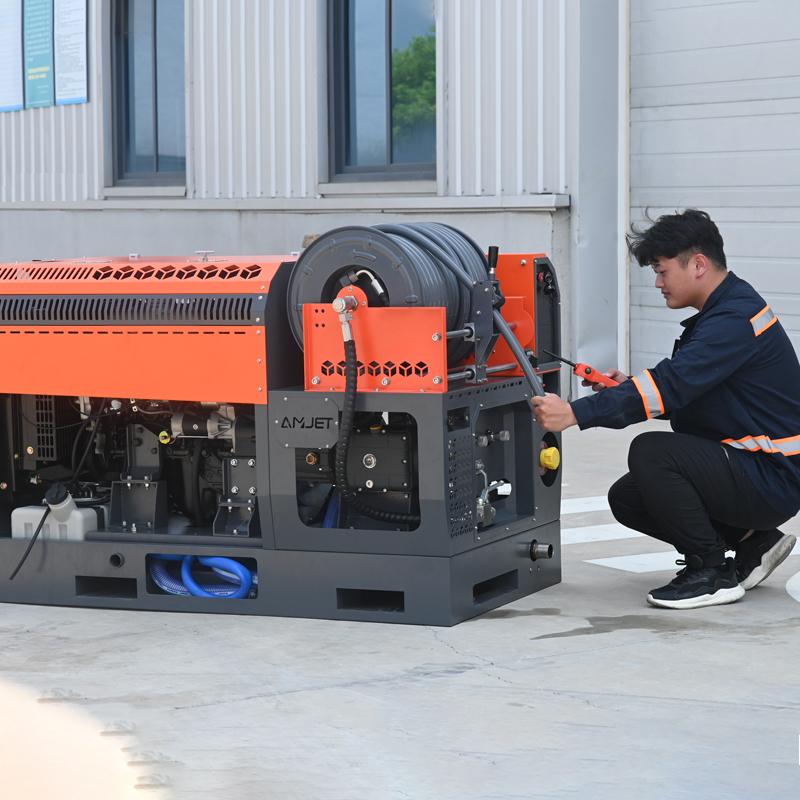
When it comes to sewer jetting equipment, the market features several prominent brands, each catering to diverse needs from residential drain cleaning to heavy-duty industrial applications. One standout is Ridgid, known for its robust build and reliable performance in tough conditions, often favored by professionals for its durability and ease of use. Another key player is General, which offers a range of machines with innovative features like variable pressure settings and portable designs, making them versatile for both small businesses and large-scale operations. Meanwhile, brands like Spartan Tool emphasize specialized solutions, such as high-pressure systems ideal for clearing stubborn blockages in municipal pipelines. Comparing these leaders often boils down to factors like pressure output, flow rate, and maintenance requirements, helping users choose equipment that matches specific project demands without overcomplicating the selection process.
Beyond just specs, it's worth noting how brands like Gorlitz differentiate themselves through cutting-edge technology, such as automated controls or eco-friendly options that reduce water usage while maintaining cleaning efficiency. In contrast, Karcher focuses on user-friendly designs with intuitive interfaces, appealing to DIY enthusiasts and smaller contractors who prioritize simplicity. When weighing options, consider not only upfront costs but also long-term reliability—some brands, like Draintech, offer extensive warranties and strong customer support networks, which can be crucial for minimizing downtime in commercial settings. By evaluating these nuances, you can find equipment that not only performs well but also aligns with operational styles and budget constraints, ensuring a more tailored fit for your sewer maintenance needs.
In practice, choosing between top brands often involves hands-on testing or consulting reviews from industry peers, as real-world performance can vary. Brands like Viper Jet are praised for their compact, maneuverable units that excel in tight spaces, whereas others, like Streamline, might shine in high-volume applications with rapid cycle times. Don't overlook accessories and compatibility; for instance, some brands offer proprietary nozzles or hoses that enhance cleaning effectiveness, adding value beyond the base machine. Ultimately, a thoughtful comparison helps pinpoint equipment that boosts productivity and safety, whether you're tackling routine cleanings or emergency repairs, making the investment worthwhile for long-term sewer management.
Essential Maintenance Steps for Long-Lasting Sewer Jetter Performance
Maintaining a sewer jetter in top shape isn't just about occasional check-ups; it's a proactive routine that ensures your machine keeps tackling tough clogs year after year. Start by flushing the system after each use to remove debris and prevent residue buildup, which can corrode internal components over time. Regularly inspect hoses and nozzles for wear, as even small cracks can lead to pressure drops or safety hazards. Don't forget to lubricate moving parts like seals and valves according to the manufacturer's guidelines—this simple step can significantly extend their lifespan and keep operations smooth.
Another key aspect is monitoring the jetter's engine or motor performance, as power issues often signal deeper maintenance needs. Check oil levels and air filters monthly, and replace them before they become clogged, which helps avoid overheating and costly repairs down the line. It's also wise to test pressure gauges and safety valves periodically to ensure they're calibrated correctly, preventing over-pressurization that could damage the equipment. By keeping a detailed log of these checks, you can spot patterns and address minor problems before they escalate, saving both time and money in the long run.
Finally, consider the environment and storage conditions to further boost durability. After cleaning, store the jetter in a dry, covered area to shield it from moisture and extreme temperatures that can degrade materials. If you notice any unusual sounds or vibrations during operation, investigate promptly rather than ignoring them, as early detection often means simpler fixes. Incorporating these steps into a regular schedule not only maximizes performance but also reduces downtime, ensuring your sewer jetter remains a reliable tool for years to come.
Expert Tips on Choosing the Right Sewer Jetting Machine for Your Needs
Selecting the ideal sewer jetting machine hinges on a few key factors tailored to your specific projects. First, assess the pipe diameter and material you'll be cleaning—machines with adjustable pressure settings, typically ranging from 1,500 to 4,000 PSI, are versatile for everything from residential PVC to heavy-duty industrial lines. Don't overlook the hose length and nozzle options; a longer hose with rotating jets can tackle stubborn clogs deep in the system, while eco-friendly models with water recycling features save on waste and costs in the long run.
Consider how often you'll use the machine and its portability needs. For frequent commercial use, a robust unit with a durable frame and high GPM (gallons per minute) flow rate ensures efficiency, but if you're handling occasional residential jobs, a compact, trailer-mounted design might be more practical. Look for user-friendly controls and safety features like automatic shut-off valves, which reduce operator strain and prevent accidents, making the investment safer and more sustainable over time.
Lastly, prioritize machines from reputable brands that offer solid warranties and accessible customer support. Real-world feedback from other professionals can reveal insights on reliability and maintenance ease—sometimes a slightly higher upfront cost pays off with fewer breakdowns. By matching these tips to your workflow, you'll find a jetter that not only clears blockages effectively but also boosts productivity without unnecessary hassle.
User Reviews and Experiences with Popular Sewer Jetting Models
When it comes to tackling stubborn clogs in sewer lines, homeowners and professionals alike often share their honest feedback on various jetting models. Many users highlight the Ridgid K-3800 for its robust power and ability to clear heavy buildup in residential pipes, with one reviewer noting how it handled tree roots in an older system without a hitch. Others appreciate the General Pipe Cleaners Model 1065 for its versatility, using it for both small-scale home jobs and larger commercial projects, emphasizing its consistent water pressure that prevents jams and ensures thorough cleaning.
In contrast, some experiences point out quirks with models like the Gorlitz SewerJet Pro, where users mention the initial setup being a bit tricky but worth it for the long-term durability and reduced maintenance needs. A common thread in reviews is the importance of proper nozzle selection and water flow adjustments, as missteps can lead to inefficiencies or even damage. For instance, several users of the Spartan Tool 300 have shared tips on optimizing their routines, leading to faster cleanup times and fewer callbacks for repeat issues.
Overall, these firsthand accounts reveal a trend toward favoring models that balance power with user-friendliness, such as the Cobra Plumbing Jetter, praised for its intuitive controls and reliable performance in tight spaces. While no model is perfect, the collective insights help others make informed choices, steering clear of overhyped options and focusing on real-world results that keep systems running smoothly.
Proper Handling and Safety Practices for Sewer Jetting Operations
When it comes to sewer jetting, proper handling is crucial for maximizing equipment efficiency and preventing costly damage. Operators should always follow the manufacturer's guidelines for setting water pressure and flow rates, as excessive force can crack pipes or lead to equipment wear. Additionally, using the right nozzle and hose attachments for the specific blockage—whether it's grease, roots, or debris—ensures a more targeted and effective cleaning process. Regular inspection of the jetting unit, including checking for leaks and worn parts, helps maintain performance and extends the lifespan of the machinery.
Safety is paramount in sewer jetting operations to protect both workers and the environment. Before starting, ensure the work area is well-ventilated and free from hazardous gases by using gas detectors, as confined spaces pose risks of asphyxiation or explosion. Wearing personal protective equipment (PPE) such as waterproof gloves, safety goggles, and steel-toed boots is non-negotiable; this gear shields against high-pressure water spray, chemical splashes, and sharp debris. It's also wise to establish clear communication protocols and have an emergency plan in place, including first-aid kits and rescue equipment, to respond quickly to any incidents.
To set your operations apart, focus on proactive measures that go beyond basic compliance. For instance, implementing a pre-job site assessment can identify unique challenges like nearby utilities or fragile pipes, allowing for customized approaches. Training teams on advanced techniques, such as using eco-friendly cleaners or camera inspections to verify results, not only enhances safety but also boosts client satisfaction by demonstrating thoroughness. By integrating these best practices, sewer jetting becomes not just a routine task but a refined service that prioritizes precision and reliability in every project.
FAQ
Top picks include the Rigid K-400 and the Spartan 800, known for durability and high-pressure performance for tough clogs, but always check reviews for specific needs.
Consider pressure levels and warranty; General Pipe offers robust options for industrial use, while RIDGID is great for residential jobs with user-friendly designs.
Regularly flush the system after use, inspect hoses for wear, and lubricate moving parts monthly to prevent breakdowns and extend its lifespan.
Yes, models like the Kärcher HD 5/15 C provide solid cleaning power at lower costs, ideal for occasional home use without sacrificing quality.
Always wear protective gear, ensure the area is clear, and never point the nozzle at people or fragile surfaces to avoid serious injury.
Absolutely; flushing drains every 6 months helps prevent buildup, reducing the risk of major clogs and costly repairs down the line.
Higher pressure, typically 2000-4000 PSI, tackles stubborn blockages better, but check pipe material first to avoid damage from excessive force.
Conclusion
When exploring top sewer jetting machines, it's crucial to focus on key features like pressure output, hose length, and durability, as outlined in the comparison of leading brands. User reviews highlight popular models, emphasizing how these elements impact performance in real-world scenarios. Choosing the right machine depends on balancing these specs with expert tips tailored to specific needs, ensuring efficient and safe operations.
Maintenance and safety are equally vital; essential steps include regular nozzle cleaning and proper handling practices to prolong equipment life. By integrating insights from company reviews and maintenance advice, users can make informed decisions that enhance reliability and maximize value. This comprehensive approach helps in selecting and maintaining sewer jetting machines effectively, fostering long-term success in plumbing tasks.
Contact Us
Contact Person: Mike
Email: [email protected]
Tel/WhatsApp: +86 19545555505
Website: https://www.amjeting.com/