

Top Flood Gate Technologies: Ensuring Reliable Flood Protection
2026-07-26
When floodwaters rise, the difference between disaster and safety often comes down to one critical component: the flood gate. But not all flood gates are built equal. From advanced sealing mechanisms to corrosion-resistant materials, modern technologies are redefining what's possible in flood defense. In this article, we explore the top innovations that ensure gates perform when it matters most—and how THT is pushing those boundaries even further.
Self-Activating Barriers That Respond Instantly to Water Rise
Traditional flood barriers often rely on manual deployment or delayed mechanical triggers, but the next generation shifts toward passive, instant activation. These self-activating barriers harness the very force they defend against—water itself. Embedded flotation cores or water-sensitive actuators respond the moment rising water appears, lifting panels or inflating bladders without human intervention. This immediacy eliminates the window of vulnerability that plagues conventional systems, where a missing crew or a failed alarm can lead to catastrophe.
Innovative designs leverage hydrostatic pressure and buoyancy to trigger the barrier exactly when needed. For instance, some models lie concealed beneath walkways or loading bays, staying invisible until floodwater causes them to rise seamlessly. Others use expanding gels or smart-memory alloys that react to moisture, creating a seal in seconds. The speed and autonomy of these systems redefine flood resilience, particularly in unpredictable flash-flood scenarios or for remote, unattended infrastructure.
What sets these barriers apart is their self-reliant nature—no power supply, wiring, or control panels required. This not only reduces maintenance but also ensures operation in blackouts or during severe storms when external energy sources are compromised. By marrying material science with fluid dynamics, engineers have created barriers that stay dormant until the precise moment of contact, then act with a reliability that feels almost instinctive. The result is a flood defense that never sleeps, never hesitates, and never depends on a decision to deploy.
Lightweight Composite Gates Combining Easy Handling with Strength
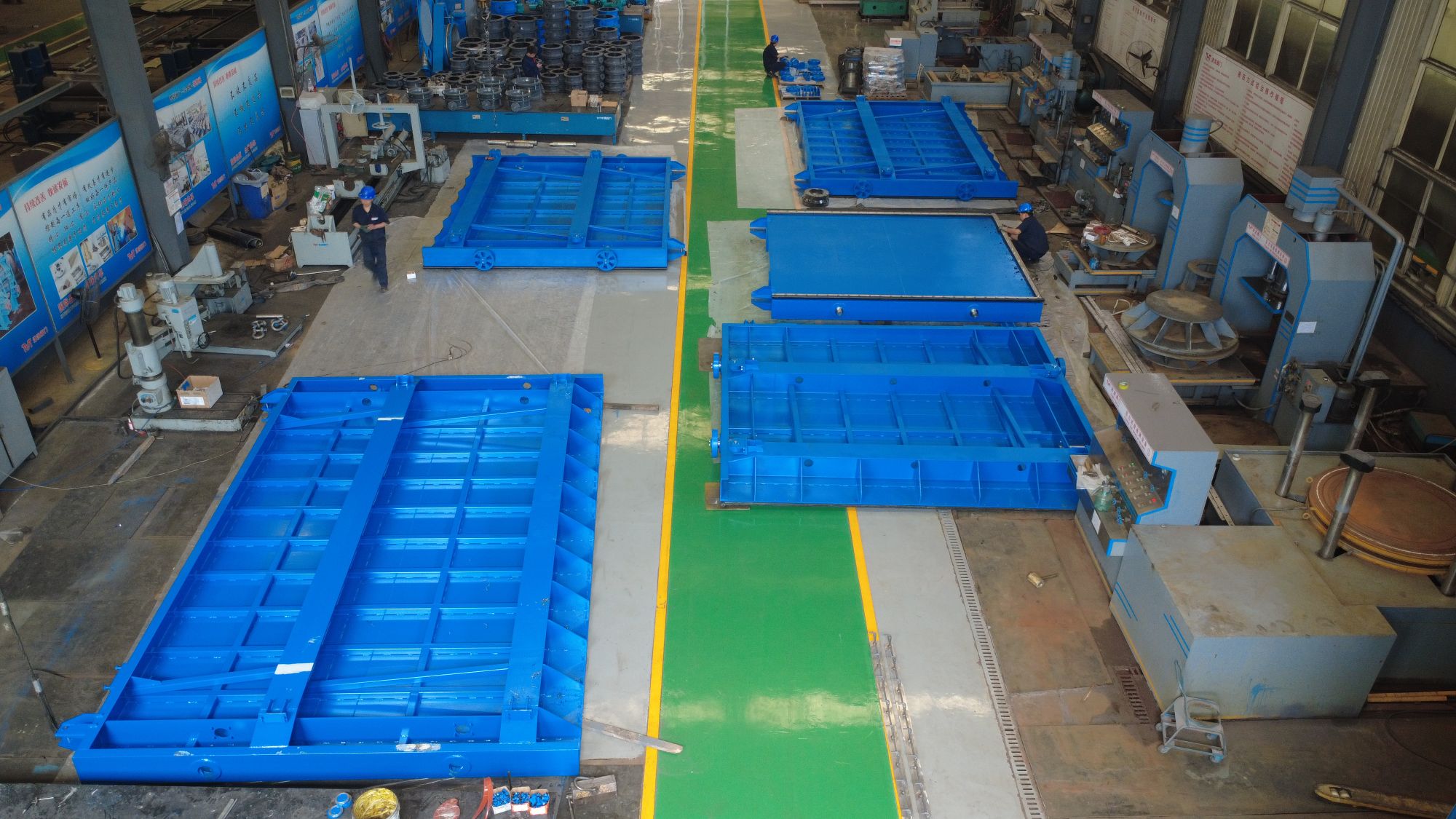
Modern lightweight composite gates redefine convenience without sacrificing durability. By blending advanced materials like fiberglass and reinforced polymers, they achieve a fraction of the weight of traditional metal or solid wood gates. This makes daily operation effortless—whether it’s a quick manual slide or a smooth automated system—reducing wear on hinges and motors over time.
Yet their slim profile belies remarkable resilience. The engineered composite layers are impact-resistant and won’t warp, rot, or rust, standing up to harsh weather and constant use. Unlike heavy iron gates that sag or wooden ones that swell, these maintain a crisp, precise alignment year after year. The result is a gate that feels almost effortless to move but locks into place with reassuring solidity.
Beyond strength and ease, they offer clean aesthetics with minimal upkeep. Available in a range of finishes that mimic wood grain or sleek metallic hues, they integrate seamlessly into contemporary architecture. There’s no need for regular painting or corrosion treatments—just an occasional rinse keeps them looking sharp. It’s a blend of practicality and modern design that caters to both residential and light commercial settings, where users value simplicity and long-term reliability.
Underground Flood Doors: Hidden Protection When You Need It
Beneath our feet, a silent safeguard waits, ready to spring into action when water threatens. Underground flood doors aren't the kind of thing you notice every day—they're tucked away, unobtrusive, seamlessly blended into basements, parking garages, and subway entrances. Their design is all about being there without being seen, preserving the look and flow of a space while offering formidable defense against rising waters.
When storms surge or rivers breach their banks, these doors become the last line of defense. They operate on simple, reliable mechanics—counterweights, floats, or pressure-sensitive triggers—so they don't depend on electricity when the grid goes down. Installation is tailored to each site, often with custom seals and coatings that withstand years of damp and neglect. Testing is discreet and infrequent, but when it counts, the closure is automatic and absolute, buying precious time for evacuation or pump systems to kick in.
What sets a well-engineered underground flood door apart is how it melds into daily life. Architects and engineers collaborate early to hide tracks, integrate drainage, and choose materials that match adjacent surfaces. You might walk over one every day without realizing it's more than a floor panel—until the moment it's called to block a torrent. That hidden nature doesn't just maintain aesthetics; it keeps pathways clear and maintenance minimal, turning a piece of critical infrastructure into an afterthought that could save lives and property.
Modular Systems That Snap Together for Fast Flood Defense
When floodwaters rise every second matters. Instead of piling sandbags that leak and take forever to set up, modular snap-together barriers change the game completely. These are lightweight panels or blocks that lock into each other in seconds, letting a pair of workers build a reliable wall in minutes rather than hours. The secret is in the connection design—some use strong magnets, others rely on tongue-and-groove joints, but all eliminate the need for tools or heavy machinery. This not only speeds up deployment but also lets communities preposition exact kits tailored to their flood maps, stored flat until the alarm sounds.
What really sets these systems apart is how they adapt to uneven ground and sudden surges. Traditional barriers often fail because they can't handle a slope or a curb, but modular units often include flexible seals or leveling feet that hug the terrain. Because they're built from small linked segments, they also resist point failures—if one module gets damaged, the rest stay sturdy, containing the breach. The materials have evolved too: glass-reinforced plastic stays corrosion-free for decades, and some versions even fill automatically with the floodwater itself to get heavier and more stable as the danger grows. No pumps required, just smart physics.
Beyond the emergency itself, the real win is how these snap-together defenses blend into everyday life. When not in use they stash away in a closet or double as planters, benches, or parking bollards. That means constant readiness without turning a riverfront promenade into a fortress. Communities that have adopted them report not only faster response times but also a sense of confidence—people know they can protect their homes and businesses with something as simple as clicking a few pieces together. It’s flood defense that finally works with human nature: intuitive, quick, and easily shareable among neighbors.
Pressure-Activated Seals Ensuring Watertight Performance
At the core of reliable subsea equipment lies a sealing mechanism that actually gets tighter as external pressure increases. Rather than relying solely on initial compression, these seals harness the very force of the surrounding water to boost their grip on mating surfaces. The design channels hydrostatic pressure into a self-energizing action, where the deeper you go, the more firmly the seal lip is pressed into place. This natural feedback loop eliminates the need for bulky preload systems and reduces the risk of leaks over time, making it ideal for applications from deep-sea connectors to autonomous underwater vehicle housings.
What sets this type of seal apart is its ability to adapt to unpredictable shifts in pressure without losing integrity. Traditional O‑rings or gaskets can struggle when subjected to sudden pressure spikes or thermal cycles, often resulting in micro-gaps that compromise the barrier. Pressure-activated profiles, on the other hand, are engineered with a flexible geometry that responds instantly to changes in the environment. The material works in harmony with the housing, flexing just enough to maintain contact without permanent deformation. This dynamic response keeps the enclosure watertight even during rapid ascents or descents, where external conditions can change dramatically in seconds.
Material selection plays an equally vital role in achieving long-lasting watertight performance. Modern pressure-activated seals often blend high‑durometer elastomers with low‑creep polymers, striking a balance between resilience and the ability to conform to surface irregularities. By carefully tuning the seal’s stiffness and cross‑section, engineers can ensure that the activation threshold is low enough for shallow depths yet robust enough for full‑ocean‑depth missions. The result is a sealing solution that not only withstands the crushing loads of the deep sea but also maintains its properties after thousands of pressure cycles, providing a maintenance‑free barrier that protects sensitive electronics, optical systems, and fluid‑handling components for years.
Removable Flood Walls Offering Flexibility Without Compromise
Traditional permanent flood barriers often force property owners into a difficult trade-off: sacrifice everyday aesthetics and accessibility for occasional protection, or risk damage by going without. Removable flood walls shatter that compromise by staying out of sight when not needed, yet deploying rapidly when waters rise. Their modular design means they can be erected by a single person in minutes, fitting seamlessly into existing doorways, garages, or wide openings without permanent alteration to the structure.
What sets these systems apart is their engineering precision. Instead of relying on sandbags or clumsy panels, high-grade aluminum or composite posts slot into pre-installed ground sockets, creating a watertight seal that can withstand significant hydrostatic pressure. After the threat passes, everything is disassembled and stored compactly, leaving no trace on the landscape. This design philosophy respects both the building’s architecture and the owner’s need for unimpeded daily life, all while meeting rigorous flood defense standards.
Beyond the technical advantage, there’s a psychological one: peace of mind that doesn’t compromise your living space. You don’t have to stare at a bulky concrete wall year-round or obstruct views with permanent ramparts. Instead, you have a responsive defense that adapts to your needs—not the other way around. In an era where climate unpredictability is rising, removable flood walls offer a clever, unobtrusive layer of resilience that fits how people actually want to live.
FAQ
Modern flood gates benefit from advances in materials and automation. Instead of relying solely on manual operation, they now incorporate smart sensors and remote monitoring that allow for real-time adjustments. The use of corrosion-resistant alloys and high-strength composites also extends their lifespan significantly compared to traditional steel or wood barriers.
Many flood gate systems are designed for retrofitting. Options like removable panel gates, flip-up barriers, and self-closing gates can be integrated into existing doorways, garages, or perimeter walls without major structural changes. The key is a proper site assessment to match the gate type to the building's foundation and flood risk level.
Automatic flood gates are critical in areas prone to flash floods because they deploy without human intervention. Using buoyancy or water pressure triggers, they rise or close as water levels increase, often within minutes. This eliminates the risk of delayed response when time is short, and they can be linked to alarm systems to alert occupants.
These gates stay recessed in the ground under normal conditions, allowing vehicles and pedestrians to pass freely. When flooding is anticipated, they are raised using hydraulic or pneumatic mechanisms. The flush-to-surface design prevents trip hazards and doesn't interfere with architecture, making them ideal for urban plazas or industrial loading docks.
Even when not in use, flood gates need periodic inspections. Seals and gaskets can dry out or crack, so they require lubrication and replacement on a schedule. Moving parts should be tested semi-annually, and any debris in bottom tracks or hinge points must be cleared. For automated gates, backup power sources and sensor calibration should be verified regularly.
Yes, temporary flood barriers like water-filled tubes or rapid-deploy metal frames with waterproof curtains are used when permanent gates aren't feasible. They can be stored off-site and quickly assembled by emergency crews. These systems provide a flexible line of defense for communities that face sporadic flooding or for protecting critical infrastructure during unexpected events.
Conclusion
Modern flood gate technologies have evolved to offer robust and adaptive solutions for protecting properties from rising waters. Self-activating barriers have emerged as a game-changer, deploying automatically as water levels increase without needing manual intervention. These systems rely on buoyant forces to lift the barrier into place within seconds, providing immediate defense in flash flood scenarios. Complementing this swift response are lightweight composite gates that blend high strength with easy handling. Made from advanced materials like reinforced fiberglass or carbon fiber, they can be quickly positioned by a small team, reducing labor and deployment time while maintaining durability against powerful water pressures.
Beyond surface-level barriers, underground flood doors offer discreet, reliable protection by sealing off low-lying entry points such as basements and underground parking structures. These hidden guardians remain invisible until needed, preserving a structure's aesthetic while ensuring critical infrastructure stays dry. For rapid deployment across large areas, modular systems come into play, with interlocking panels that snap together to form a continuous flood wall within minutes. Their adaptability to different terrains and easy storage make them ideal for communities facing seasonal floods. To guarantee watertight integrity, pressure-activated seals are integrated into these designs, using the floodwater's own force to tighten the bond between components, effectively eliminating leakage. For scenarios requiring both permanence and flexibility, removable flood walls stand out; they can be erected before an expected flood and taken down afterward, restoring full access and visibility. Together, these innovations represent a comprehensive toolkit for modern flood defense, balancing instant response, ease of use, and long-term reliability.
Contact Us
Contact Person: Su Zhang
Email: [email protected]
Tel/WhatsApp: +86-25219206
Website: https://www.tht-valve.com/