

Top 10 Spout Pouch Innovations You Need to Know About
2026-05-22
Discover how spout pouches are revolutionizing packaging with convenience, sustainability, and eye-catching designs. From resealable wonders to eco-friendly materials, these innovations are reshaping industries. Leading the charge is Kody, delivering cutting-edge solutions that marry function and style. Ready to explore the top 10 game-changers?
Self-Chilling Spout Pouches for Outdoor Adventures
There’s something almost magical about cracking open an ice-cold drink when you’re miles from the nearest fridge. Self-chilling spout pouches make that happen without the need for bulky coolers or melted ice. Designed with the trail in mind, these lightweight marvels use an integrated cooling mechanism that activates with a simple squeeze or twist, dropping the temperature in minutes. No electricity, no pre-freezing—just instant refreshment waiting in your pack.
The real genius lies in the spout design. It’s not just about staying cold; it’s about drinking comfortably without splashing while you’re on a bumpy trail or perched on a rocky ledge. The pouch itself is rugged enough to survive being tossed around, yet soft enough to roll up when empty. Whether you’re chasing summits or paddling across a lake, that first sip hits differently when it’s genuinely chilled by your own gear.
Beyond the obvious perk of a cold beverage, these pouches cut down on waste. Reusable and refillable options are popping up, letting you ditch single-use bottles and keep your favorite drinks at the perfect temperature. They’ve quickly become a quiet essential for anyone who values simplicity—less weight, fewer stops, and a far better way to hydrate under the sun.
Biodegradable Films Redefining Flexible Packaging
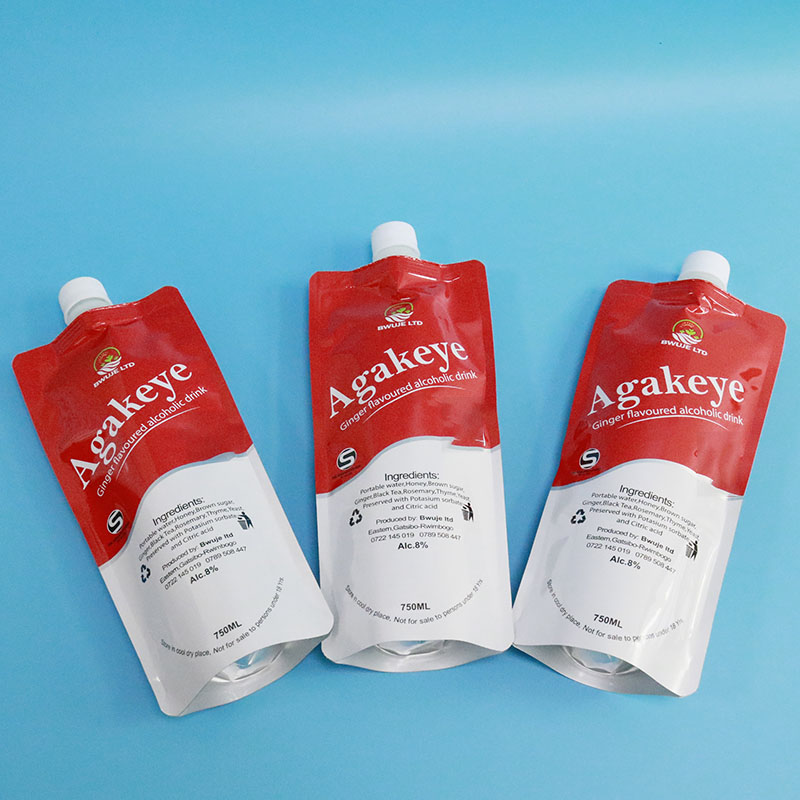
The shift toward biodegradable films is quietly reshaping what we expect from flexible packaging. These materials break down naturally after use, sidestepping the pile-up of traditional plastics in landfills and oceans. More than just a green alternative, they’re engineered to balance durability with environmental accountability, making them a practical choice for brands that can’t afford to compromise on shelf life or product protection.
What makes these films stand out is how seamlessly they integrate into existing supply chains. From compostable snack wrappers to breathable produce bags, manufacturers are now using plant-based polymers and even food waste derivatives to create barriers that rival conventional plastics. The real game-changer? They don’t just decompose—they do so without leaving behind microplastic residues, addressing a concern that’s increasingly on consumers’ minds.
Adoption isn’t without hurdles, of course. Cost parity and performance in humid environments are still works in progress. Yet, the growing appetite for circular materials is pushing innovation forward, turning biodegradable films from a niche experiment into a mainstream packaging pillar. The conversation is no longer about if they’ll redefine the industry, but how quickly the infrastructure will catch up.
Smart Spouts That Monitor Freshness in Real Time
Imagine pouring a drink and instantly knowing whether it’s still at its peak. These intelligent spouts are embedded with tiny sensors that continuously track chemical markers and temperature changes—no guesswork needed. The real-time feedback appears seamlessly through subtle lights or a companion device, making spoilage alerts a natural part of your daily routine without adding extra steps.
Beyond simple timers, the technology adapts to the actual contents of your bottle. It learns from each use, distinguishing between a just-opened juice and one that’s been lingering too long. Instead of vague best-by dates, you get a precise, moment-by-moment snapshot of what’s inside, turning your bottle into an active guardian of taste and safety.
The design stays out of your way until you need it. Hidden inside the cap or nozzle, the sensors don’t compromise pouring speed or make cleaning complicated. By blending directly into everyday objects, the freshness check becomes almost invisible—until a soft alert reminds you it’s time to finish up or refresh your drink.
Retort-Ready Pouches That Survive Extreme Temperatures
When the heat is on—literally—standard flexible packaging often buckles under pressure. We’ve engineered a line of retort-ready pouches that thrive where others fail, handling thermal processing from -40°F freezing right up to 250°F sterilization without delamination, seal creep, or burst failures. The secret lies in our multi-layer barrier fusion: a cast polypropylene inner sealant layer that flows into microscopic surface contours during heating, a high-temperature resistant aluminum oxide barrier that blocks oxygen and moisture ingress even under thermal cycling, and an outer PET film that resists scuffing and labeling adhesives without warping.
Beyond just surviving the retort cycle, these pouches maintain their structural integrity during real-world logistics. We’ve torture-tested them through rapid chill-to-boil transitions, high-altitude truck shipments where ambient temps swing wildly, and extended storage in non-climate-controlled warehouses. The pouches don’t get brittle at sub-zero or sticky at elevated temperatures, and the hermetic seals hold strong whether you’re packing soups, pet food, or ready-to-eat meals. An added benefit: the flat, gusseted base reduces trapped air compared to rigid containers, which means faster heat penetration and shorter retort times, ultimately saving energy and preserving more nutrients.
Developed in close collaboration with food processors and co-packers, we fine-tuned everything from the tear notch position to the coefficient of friction on the outer surface to prevent jams on high-speed filling lines. The result is a pouch that doesn’t just endure the retort—it excels across the entire supply chain, from filler to consumer pantry. If your product demands a packaging upgrade that eliminates leaker rates and expands your distribution channels without cold-chain dependency, these extreme-temperature retort pouches might just be the final piece of your puzzle.
Ergonomic Spouts Designed for One-Handed Dispensing
The spout's carefully sculpted curvature does more than just pour—it cradles the natural motion of your wrist. By tilting the angle slightly forward and rounding the lip, each pour becomes a single, fluid movement, removing the need to steady the container with a second hand.
We paid close attention to how your thumb and fingers naturally settle during use. A subtle textured ridge along the back of the spout gives your thumb a secure anchor point, while the smooth, drip-free cut-off means no messy over-pours. It’s a small detail that makes a big difference when you’re cooking with messy hands or holding a child on your hip.
By keeping the weight balanced directly above the handle, the container feels lighter and more responsive as you tilt it. You’ll notice the difference the first time you pour anything from a full saucepan to a thin stream of dressing—one hand is all it takes to get the right amount every time.
Hybrid Paper-Plastic Pouches That Slash Plastic Use
Traditional flexible packaging often relies on multiple layers of plastic to protect products, but a newer approach combines paper with a much thinner plastic film. These hybrid pouches use paper as the primary structural material, cutting total plastic content by up to 70% compared to conventional all-plastic alternatives. The paper provides stiffness and a premium feel, while the ultra-thin plastic lining maintains essential moisture and oxygen barriers. This design isn't just about swapping materials—it rethinks how packaging can meet performance standards without the environmental burden of thick polymer layers.
From a production standpoint, the shift dramatically lowers the carbon footprint because paper fibers are renewable and sequester carbon, whereas plastic resins start as fossil fuels. Brands adopting these pouches often highlight the tactile difference: the matte, natural texture of paper signals eco-consciousness to consumers without sacrificing durability. Advances in coating technologies now allow the plastic layer to be easily separated during recycling, addressing one of the key hurdles in multi-material packaging. The result is a package that feels more substantial in hand yet leaves a lighter touch on the planet.
You'll spot these pouches everywhere from dried snacks to coffee beans, where they mirror the look of traditional block-bottom bags but with a softer environmental edge. Companies are experimenting with water-based adhesives and plant-derived barrier coatings to push the paper content even higher, aiming for fully recyclable or compostable structures. Early adopters report that consumers often choose these hybrid options over heavier plastic counterparts, seeing them as a sensible balance between shelf stability and sustainability. It's a quiet packaging revolution—one that trims plastic use without asking people to compromise on freshness or convenience.
FAQ
They combine lightweight flexibility with a resealable spout, slashing shipping weight while keeping things like smoothies or detergents fresh longer. The real magic is how they reduce waste—consumers can squeeze out almost every last drop, something rigid bottles can't match.
Baby food and sports nutrition are leading the charge. Parents love the mess-free, on-the-go feeding, while athletes demand rugged, pocket-friendly pouches that survive a gym bag. Even automotive fluids are getting a sleek spout upgrade for precise pouring in tight engine bays.
Dual-layer silicone valves now let liquid flow only when squeezed, so you can toss a pouch in a diaper bag without a second thought. Some brands use a 'bite and sip' mouthpiece originally from hydration packs, while others add a breakaway seal that snaps off cleanly but never leaks before activation.
It's a mixed bag, but mono-material polyethylene structures are the real deal. They ditch the tricky aluminum layer, making the whole pouch recyclable in regular plastic streams. The downside? They need a slightly thicker wall, so you get a minor trade-off in packability, but major brands are already testing them at scale.
Injectable marinades for meats, on-the-go sunscreen with a nozzle that never clogs, and even refillable paint for touch-up jobs. One craft brewer put a nitro cold brew in a pouch with a widget that froths as you pour—it's like a mini beer engine in your hand.
Absolutely. Digital printing has blown the doors open. Short runs with variable data mean you can get as few as 5,000 pouches with full-color, customizable art, no massive plates needed. Some manufacturers even offer stock shapes with pre-made molds, so you just pick a size and upload your design.
Conclusion
Spout pouches are breaking out of the conventional mold with features that feel less like packaging and more like gear. Self-chilling technology turns a simple beverage pouch into an instant refreshment for hikers and campers, eliminating the need for bulky coolers. Meanwhile, the material itself is undergoing a quiet revolution. Biodegradable films are replacing traditional layers, letting the pouch decompose naturally once discarded. At the same time, hybrid paper-plastic constructions dramatically cut plastic content without sacrificing durability, offering a tangible step toward lighter environmental footprints. These shifts don’t demand that consumers change their habits—the pouch simply becomes smarter and cleaner in their hands.
Beyond sustainability, the latest innovations inject serious practicality into everyday use. Ergonomic spouts are re-engineered for effortless, one-handed dispensing, whether you’re squeezing condiments onto a busy food truck grill or pouring detergent into a washing machine. For products that must endure thermal stress, retort-ready pouches sail through extreme heat or freezing without seam failures, keeping sterilized foods safe and shelf-stable. Perhaps most striking is the rise of smart spouts that actively monitor freshness, giving real-time feedback on product quality through embedded sensors. Together, these advancements transform the humble spout pouch from a simple container into an intelligent, adaptive tool that serves both brands and consumers in ways that were once firmly in the realm of science fiction.
Contact Us
Contact Person: Cindy Lee
Email: [email protected]
Tel/WhatsApp: 8613622669331
Website: https://www.dgkody.com