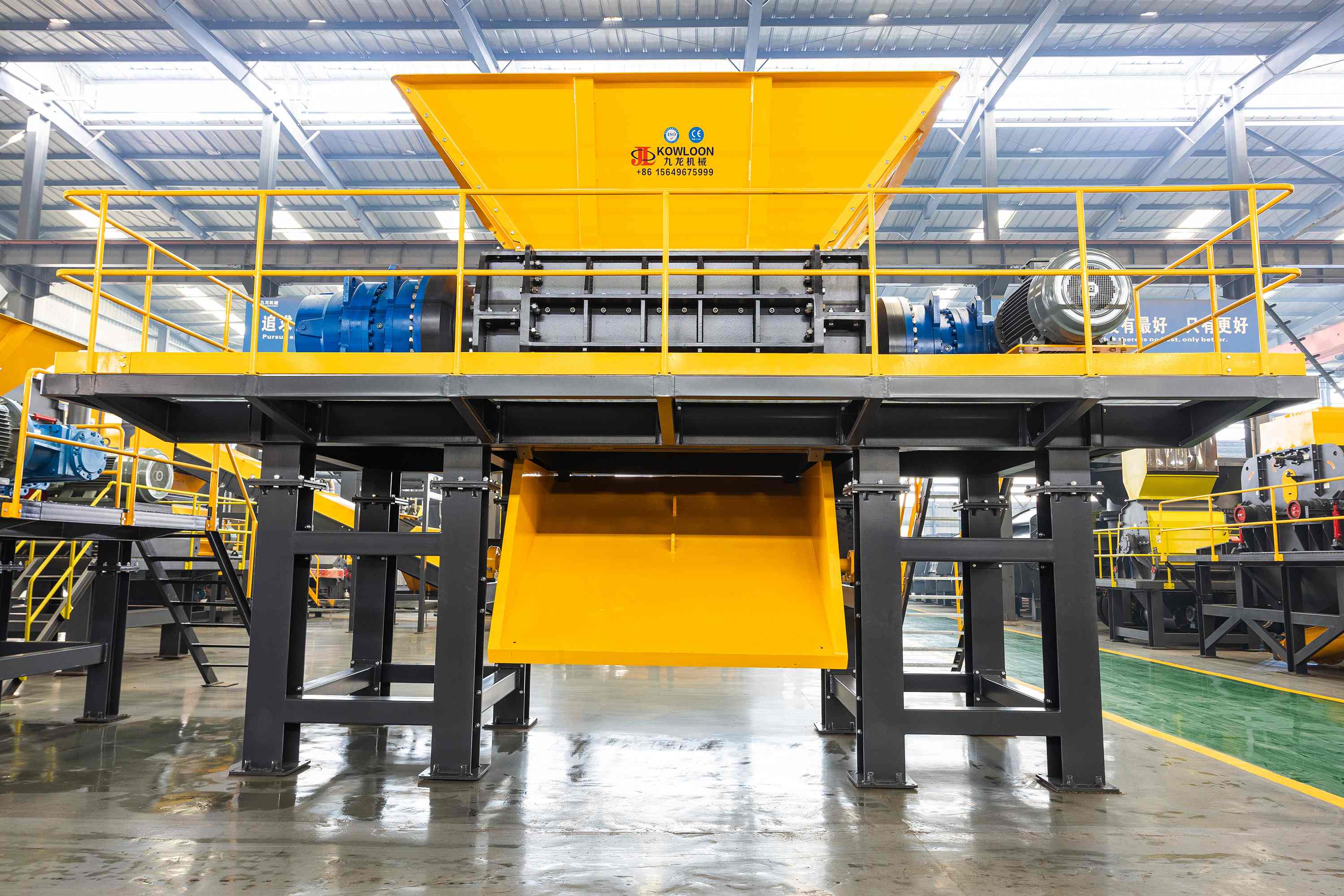

Tire Shredder Manufacturer: Leading Solutions for Sustainable Recycling
2026-03-26
In an era where environmental responsibility intersects with industrial efficiency, the challenge of tire disposal looms large. Each year, millions of tires reach the end of their life cycle, presenting both a waste management dilemma and a potential resource opportunity. Enter Kowloon Machinery, a pioneering force in sustainable recycling solutions. As a leading tire shredder manufacturer, we're not just processing rubber—we're transforming it into valuable materials that fuel circular economies worldwide. What sets our approach apart? It's a blend of innovative engineering, unwavering commitment to sustainability, and a deep understanding of global recycling needs. In this blog, we'll explore how cutting-edge shredding technology is revolutionizing tire recycling, turning environmental challenges into tangible benefits. From reducing landfill waste to creating reusable commodities, discover how Kowloon Machinery is driving change one shredded tire at a time, and why our solutions matter for businesses and the planet alike.
Innovative Tire Shredding Technologies for Eco-Friendly Recycling
Advancements in tire shredding have transformed scrap management, moving beyond basic crushing to sophisticated systems that preserve valuable materials. Modern shredders incorporate multi-stage processes, starting with primary cutting to reduce tires into manageable chunks before finer granulation. This approach minimizes energy consumption while maximizing output quality, crucial for downstream recycling applications where rubber purity directly impacts product viability.
Emerging technologies like cryogenic shredding leverage extreme cold to embrittle rubber, allowing for cleaner separation of steel and fiber components. Unlike traditional methods that generate excessive heat and dust, this technique reduces environmental emissions and yields higher-grade rubber powder. Innovations in automation and real-time monitoring further enhance efficiency, enabling precise control over particle size distribution—a key factor in producing consistent raw materials for asphalt modifiers, playground surfaces, or athletic tracks.
Beyond machinery improvements, integrated systems now combine shredding with material recovery steps, such as magnetic separation for steel retrieval and air classification for fiber removal. These closed-loop designs not only boost resource recovery rates but also cut landfill waste significantly. By aligning shredding advances with circular economy principles, the industry is paving the way for tires to be reborn as durable consumer goods, reducing reliance on virgin resources and curbing ecological footprints across manufacturing sectors.
Customized Solutions for Efficient Waste Tire Processing
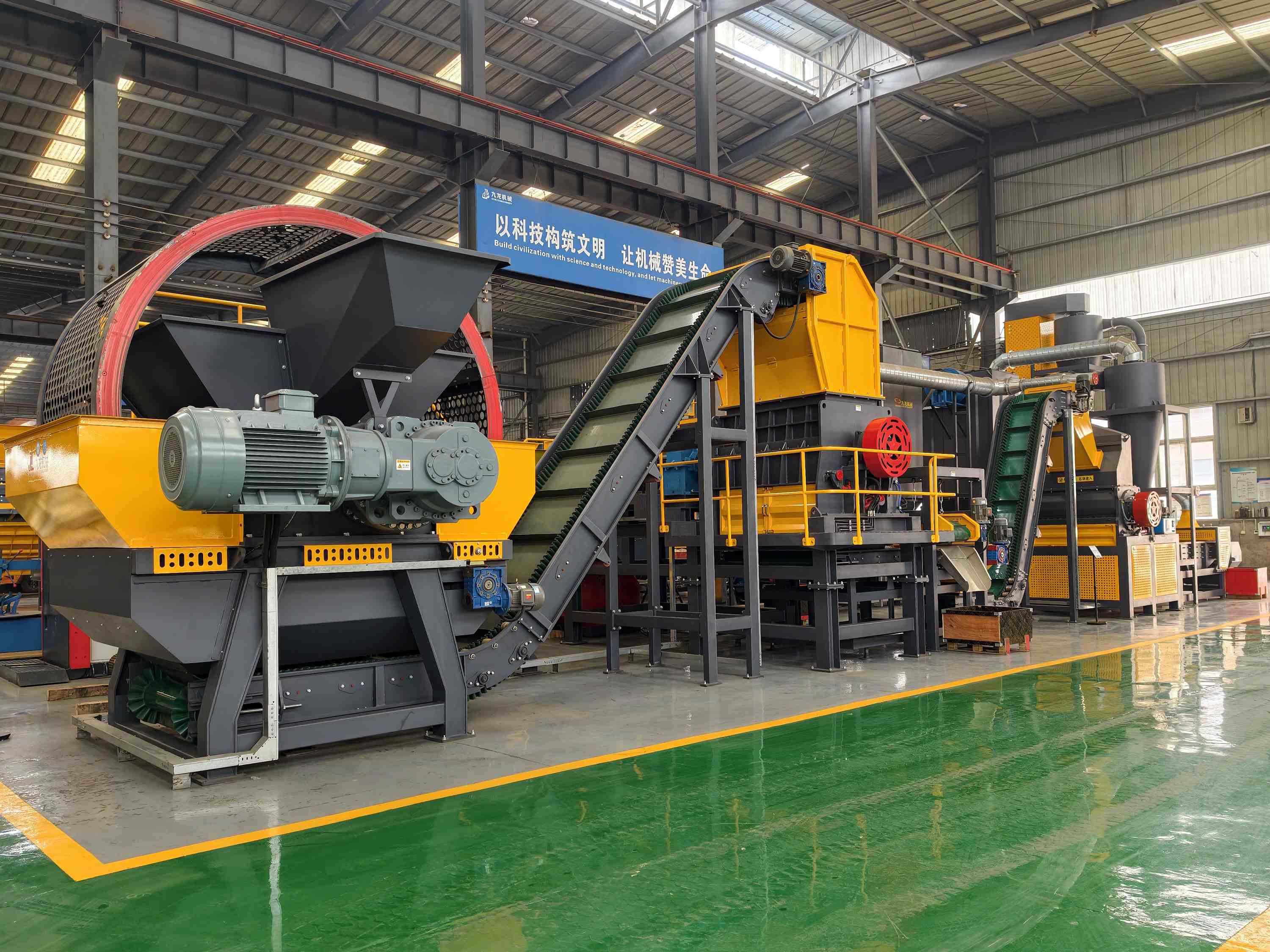
Every year, millions of tires reach the end of their road life, posing a significant environmental challenge. Instead of a one-size-fits-all approach, we develop customized solutions tailored to the specific needs of each client. Our methods ensure that waste tires are processed efficiently, minimizing landfill use and transforming them into valuable resources like rubber crumb or fuel derivatives. By focusing on individual facility requirements, we help streamline operations and boost profitability.
Our innovative strategies go beyond basic recycling; we integrate advanced technologies such as pyrolysis and mechanical shredding to maximize material recovery. Customization allows us to adapt processes based on tire types and local regulations, ensuring compliance and efficiency. This personalized approach not only reduces waste but also supports a circular economy by repurposing tires into new products, from playground surfaces to industrial components, enhancing sustainability efforts worldwide.
Collaborating with clients, we assess their unique challenges and goals to design solutions that fit seamlessly into existing workflows. From small-scale operations to large industrial plants, our customized plans prioritize energy efficiency and cost-effectiveness. By moving away from generic methods, we empower businesses to tackle tire waste more effectively, contributing to cleaner environments and innovative reuse initiatives that stand out in the industry.
Durable Machines Built for High-Volume Recycling Operations
High-volume recycling operations generate significant wear and tear on equipment, necessitating machinery that can withstand continuous, heavy-duty use. Our machines are designed from the ground up with durability in mind, utilizing robust materials like reinforced steel and high-grade components that resist corrosion and breakage. Advanced engineering ensures each piece can handle the constant pressure of processing large quantities of materials without compromising performance, making them ideal for operations where uptime is critical to productivity and profitability.
We focus on delivering solutions that go beyond basic durability, incorporating smart features to enhance longevity and efficiency. For instance, our systems include predictive maintenance capabilities and easy-access designs for simplified repairs, minimizing downtime and extending service life. By integrating these innovations, we help recycling facilities maintain a smooth workflow, reduce operational costs, and adapt to the demanding pace of high-throughput environments.
In competitive recycling markets, reliability can be a key differentiator, and our machines are built to excel in this area. Tested in real-world settings, they consistently meet the challenges of sorting, shredding, and processing diverse materials. This proven resilience ensures that investments in our equipment pay off over the long term, supporting sustainable operations and contributing to a more efficient recycling ecosystem.
Supporting Global Sustainability Goals with Advanced Equipment
In today's rapidly evolving world, achieving global sustainability goals demands more than just good intentions; it requires cutting-edge solutions that can drive real change. Advanced equipment, from renewable energy systems to efficient waste management technologies, plays a pivotal role in this endeavor by enabling industries and communities to operate more responsibly and effectively. By integrating smart sensors, automation, and data analytics, these tools help optimize resource use, reduce environmental footprints, and support targets like climate action, clean water access, and responsible consumption, making sustainability a tangible reality rather than a distant aspiration.
What sets modern sustainable equipment apart is its ability to adapt and scale across diverse contexts, from urban centers to remote regions. For instance, solar-powered desalination units can provide clean water in drought-prone areas, while precision agriculture devices minimize water and chemical usage, boosting food security without degrading ecosystems. This versatility ensures that advancements in technology directly contribute to localized needs while aligning with broader global frameworks like the UN Sustainable Development Goals, fostering resilience and equity in resource distribution.
Ultimately, leveraging advanced equipment isn't just about mitigating environmental impact—it's about building a foundation for long-term prosperity. By investing in innovations that prioritize efficiency and durability, societies can create circular economies where waste is minimized and resources are continuously reused. This proactive approach not only accelerates progress towards sustainability milestones but also inspires collaboration among governments, businesses, and innovators, turning ambitious goals into achievable outcomes that benefit generations to come.
Reliable Performance and Low Maintenance in Shredding Systems
When it comes to shredding systems, you want equipment that works day in and day out without hiccups, consistently handling heavy loads while keeping downtime minimal. That's where reliable performance shines—think of a shredder built with robust materials and smart engineering, like hardened steel blades and advanced torque management, ensuring smooth operation even under demanding conditions. It's not just about power; it's about stability and precision that adapts to varied inputs, reducing jams and maintaining output quality over time.
Low maintenance is the perfect partner to this reliability, saving both time and costs in the long run. Imagine systems designed with self-cleaning mechanisms and easy-access components that simplify routine checks. By utilizing durable parts and streamlined workflows, these shredders require less frequent servicing, minimizing the need for complex repairs. This approach transforms maintenance from a chore into a straightforward process, enhancing overall efficiency without compromising on shredding effectiveness.
Together, these features create a shredding solution that stands out by balancing rugged dependability with user-friendly upkeep. Whether you're in industrial or commercial settings, focusing on these aspects can lead to fewer disruptions and better resource management, making your operations smoother and more sustainable over the years.
Expert Consultation and After-Sales Service for Optimal Results
Our expert consultation sets the stage for success, going beyond standard advice to deliver personalized strategies tailored to your unique challenges. We take the time to understand your goals and constraints, ensuring every recommendation is actionable and aligned with real-world outcomes. This collaborative approach turns complex problems into clear roadmaps, empowering you to make informed decisions from the start.
After-sales service isn't just a follow-up; it's an ongoing partnership dedicated to refining your results over time. We proactively check in to address any adjustments needed, adapting strategies as your situation evolves. This continuous engagement helps prevent issues before they arise, ensuring long-term satisfaction and maximizing the value you receive from our initial consultation.
By integrating expert insights with responsive support, we create a seamless experience that drives consistent, optimal performance. This holistic model distinguishes our service, focusing on sustained success rather than isolated transactions. It's about building trust through reliability, where your achievements become a shared priority long after the initial engagement.
FAQ
A leading tire shredder manufacturer focuses on advanced engineering for high-efficiency shredding, durability to handle tough materials, and safety features to protect operators. They also prioritize customization to meet specific recycling needs, such as processing different tire sizes or integrating with downstream systems.
Tire shredders reduce waste by breaking down used tires into smaller pieces, which can be repurposed for products like rubber mulch, playground surfaces, or fuel in industrial processes. This helps decrease landfill use and supports circular economy efforts by transforming waste into valuable resources.
Businesses should evaluate the manufacturer's reputation, machine reliability, after-sales support, and compliance with environmental regulations. It's also important to assess energy efficiency, maintenance costs, and the ability to scale operations to handle increased recycling volumes.
Yes, many modern tire shredders are versatile and can process materials like plastics, wood, and metal scrap, making them useful for broader waste management applications. This flexibility enhances their value in recycling facilities aiming to maximize equipment utilization.
Recent innovations include automated control systems for optimized shredding, noise reduction features to minimize operational disruption, and enhanced cutting mechanisms that improve material separation and reduce energy consumption, boosting overall recycling efficiency.
Tire shredders help mitigate environmental risks by preventing tire stockpiles that can cause fires or leach harmful chemicals. Proper shredding facilitates safer handling and disposal, aligning with regulations to protect air, water, and soil quality in recycling sites.
Regular maintenance includes checking and replacing worn blades, lubricating moving parts, and inspecting electrical components. Following manufacturer guidelines and scheduling professional servicing can prevent breakdowns and extend the machine's lifespan, ensuring consistent recycling output.
Yes, some manufacturers offer compact or modular shredders designed for smaller operations, balancing affordability with essential features. These solutions allow smaller businesses to start recycling efforts without large upfront investments, gradually scaling as demand grows.
Conclusion
As a leading tire shredder manufacturer, we are at the forefront of providing sustainable recycling solutions that address the global challenge of waste tire disposal. Our commitment to eco-friendly practices is embodied in innovative tire shredding technologies, which transform discarded tires into valuable materials for various industries, reducing environmental impact. We offer customized solutions tailored to the unique needs of each client, ensuring efficient waste tire processing that maximizes resource recovery and minimizes operational costs. Our durable machines are engineered for high-volume recycling operations, built to withstand rigorous demands while maintaining consistent performance.
By supporting global sustainability goals with advanced equipment, we contribute to a circular economy where waste is minimized and materials are reused. Our shredding systems are designed for reliable performance and low maintenance, enhancing productivity and reducing downtime. Beyond machinery, we provide expert consultation and comprehensive after-sales service, helping clients achieve optimal results in their recycling efforts. This holistic approach makes us a trusted partner in the pursuit of a greener future, where waste tires are no longer a burden but a resource for innovation and sustainability.
Contact Us
Contact Person: Ray
Email: [email protected]
Tel/WhatsApp: +86 13733817580
Website: https://www.zzkowloon.com/