
Saddle Pads Manufacturer Reveals How to Choose the Perfect Pad for Your Horse
2026-05-22
Every rider knows that a happy horse starts with the right gear—and nothing matters more than the saddle pad you choose. It’s not just about looks; it’s about comfort, fit, and protecting your horse’s back. But with endless options out there, how do you make the right call? That’s where OpeEquestrian comes in, blending decades of manufacturing expertise with genuine equestrian insight. In this post, we’re pulling back the curtain on what really makes the perfect pad, straight from the experts who design them. Get ready to discover game-changing tips that will transform your ride—and your horse’s comfort—like never before.
Understanding Your Horse’s Unique Back Shape
Every horse carries its own distinct blueprint, and the back is where that individuality really shows up. Rather than trying to fit a generic ideal, start by observing your horse from the side and above. Look at the length and angle of the withers, the curve behind the shoulders, and how the spine flows toward the croup. Some horses have a short, compact back that feels like a coiled spring, while others stretch out with a longer topline that can be more challenging to condition properly.
Feel matters just as much as sight. Run your hand gently along the back to gauge muscle tone and symmetry. A horse’s back shape isn’t static—it shifts with fitness level, saddle fit, and even emotional state. Pay attention to dips or prominences that might signal past injury or compensation patterns. Over time, you’ll learn to read these subtleties, almost like a map of your horse’s history and well-being.
Of course, understanding the back shape also means recognizing how it changes under saddle. What looks balanced on the ground may behave differently with a rider’s weight. Regular checks after work can reveal emerging sore spots or asymmetries. By tuning in to your horse’s unique structure, you’re not just improving performance—you’re honoring their comfort and long-term soundness.
Materials That Actually Make a Difference for Your Horse
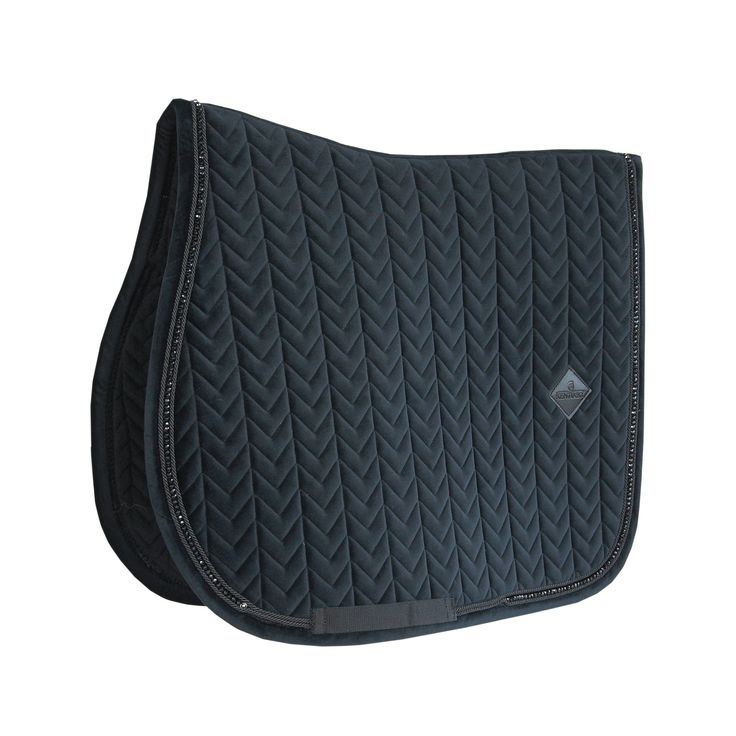
When you run your hand over a saddle pad that pills after two washes, you realize something has to shift. Your horse’s skin absorbs pressure and sweat for hours, so natural fibers like merino wool or high‑grade cotton aren’t luxuries—they’re the baseline. Wool wicks moisture without turning into a soggy sponge, and it cushions against uneven movement. A pad that compresses into a flat board mid‑ride isn’t just uncomfortable; it pinches nerves and restricts blood flow. The right material recovers its loft after every ride, keeps friction low even when the horse is drenched, and dries fast enough that you’re not slapping damp fabric onto a cold back the next day.
Think about what your horse’s legs go through. Boots and wraps need to absorb impact without holding heat like an oven mitt. Neoprene might seem tough, but it seals in warmth and sweat, softening skin until it’s vulnerable to scrapes and fungus. Dense perforated foam or ventilated leather gives you protection without that soggy, weakened tissue underneath. On the bridle side, a stiff, chemical‑laden leather creaks into cracks around the poll, and cheap padding rubs until you’ve got hairless, scaly patches. Swiss leather or butter‑soft calfskin, when properly cared for, conforms to the shape of the head without biting into it. The difference is a horse that stays soft in the bridle instead of bracing against discomfort.
Underfoot, stall mats and bedding materials often get overlooked. Thick, closed‑cell rubber mats with a textured top layer give concrete floors a small amount of yield, which is critical for horses that stand inside for long stretches. Combine that with a lightweight, absorbent bedding like hemp or flax—something that doesn’t break down into dusty fragments—and you’ll see a horse that comes out of the stall moving more freely, with fewer respiratory issues and stiffer joints. Even a fly mask isn’t just mesh; UV‑blocking, fine‑weave fabric that stays clear against the eye and doesn’t rub the orbital bone can mean the difference between a horse that stands calmly in the field and one that constantly shakes its head, damaging the very eyes you’re trying to protect.
How Pad Thickness Affects Pressure Distribution
The thickness of a brake pad directly changes how force spreads across the contact surface. A thicker pad tends to be stiffer, which means it resists bending under load. While this seems positive, it often creates high-pressure hot spots near the caliper piston edges instead of uniform contact. The pad essentially acts as a structural beam, and increased thickness raises its bending stiffness, reducing its ability to conform to slight rotor irregularities.
In contrast, a pad that's too thin loses its capacity to absorb and distribute thermal and mechanical stress. It may flex more easily, but that flexibility can lead to uneven wear and pressure concentrations at the thinnest sections. As material wears down, the remaining structure becomes more susceptible to thermal distortion, which further distorts the pressure map. The sweet spot lies in a mid-range thickness that balances rigidity with the compliance needed to follow the rotor face without fading or cracking.
Manufacturers often fine-tune thickness to match the caliper design and piston layout. For floating calipers, a slightly thinner pad paired with a well-designed backing plate can improve pressure distribution by allowing micro-adjustments under braking. Fixed multi-piston setups might favor a thicker formulation to maintain flatness across a wider area. Ultimately, the goal is to achieve a pressure gradient that avoids edge loading and keeps the friction film stable, and thickness is a key variable that gets dialed in through testing rather than rules of thumb.
Clever Features That Simplify Your Riding Routine
Modern two-wheelers are packed with thoughtful touches that make every ride feel effortless. Take keyless ignition, for instance—just walk up with the fob in your pocket, thumb the starter, and you’re off without fumbling for keys. It’s a small luxury that quickly becomes second nature, especially when your hands are full or you’re in a hurry.
Then there’s the brilliance of integrated connectivity. Your bike’s dashboard can now mirror turn-by-turn navigation, display incoming calls, or even control your music, all while keeping your phone safely tucked away. Paired with automatic signal cancellation that knows when you’ve completed a turn, these features cut out the constant little adjustments that used to be part of the ride.
Storage solutions have also gotten smarter. Under-seat compartments designed to swallow a full-face helmet, glove boxes with USB charging ports, and quick-release luggage systems mean you can transition from commute to errands without a second thought. It’s this blend of convenience and intelligence that turns a simple ride into a seamless part of your daily rhythm.
Matching the Pad to Your Riding Discipline
Every riding discipline places unique demands on both horse and rider, and the pad you choose should reflect those specific needs. In disciplines like dressage, where precise leg aids and a close contact with the horse are essential, a thinner, anatomically shaped pad made from high-density foam or gel allows for clear communication without bulk. The pad should contour to the horse’s back, providing just enough cushion to prevent pressure points while keeping the rider’s seat stable and deep. Look for materials that wick moisture and resist compressing over time, as a dressage session often involves sustained, collected work that generates heat.
Jumping and eventing, on the other hand, introduce dynamic forces and a more forward seat, which call for a pad with enhanced shock absorption and grip. A contoured half pad with a non-slip surface, like silicone or suede, helps keep the saddle from shifting during takeoff and landing. For cross-country, durability and impact protection become priorities—pads with multiple layers or memory foam inserts can reduce concussion on long gallops and over solid fences. Riders in these fast-paced disciplines often favor pads that also have a cutback wither design to allow full shoulder rotation while jumping.
Western riders face a different set of considerations, with disciplines ranging from reining to trail riding. The weight and distribution of western saddles mean that pads often need to be larger and thicker to equalize pressure across a wider surface area. A contoured wool felt or blended fiber pad can offer breathability and natural cushioning for long hours in the saddle, while specialized materials like open-cell foams prevent overheating. In roping or cutting, where the horse makes sudden, explosive moves, a pad with strategic insert pockets for shims can fine-tune saddle fit for optimal performance and comfort. No matter the discipline, inspecting your pad regularly for wear and uneven compression is a habit that will keep your horse happy and sound.
Signs Your Current Pad Isn’t Working (And What to Do)
You might not even realize how much your pad is holding you back until the discomfort becomes impossible to ignore. One of the first signs is constant shifting and adjusting throughout the day—whether it’s because the pad bunches up, slides around, or just doesn’t stay where you need it. That frustration is your body’s way of saying the fit isn’t right. Another red flag is feeling damp or irritated even shortly after changing, which suggests the absorbency or material isn’t matching your flow or skin sensitivity. And if you’re planning your day around endless bathroom checks, it’s definitely time for a change.
Beyond the physical annoyances, pay attention to how the pad makes you feel. If you’re constantly self-conscious about odor or worried about leaks during meetings, workouts, or social events, that mental load isn’t normal. A pad that doesn’t keep you fresh and confident is failing its basic job. Also, take note of any skin reactions like itching or rashes—some materials or fragrances can be harsh without you noticing it immediately. Switching to a different style or material, such as organic cotton or a more flexible shape, can solve these issues almost overnight.
So what should you do when you spot these signs? Start by experimenting with a different size or absorbency level for your heaviest days. Many people find that a pad with wings or a contoured design eliminates the slipping problem overnight. If irritation persists, opt for unscented, hypoallergenic options and give your skin a break with breathable fabrics. And don’t overlook reusable cloth pads or period underwear—they often feel more like real underwear and reduce waste. Small adjustments can make a huge difference in your daily comfort and peace of mind.
FAQ
Focus on breathability and shock absorption. Natural fibers like wool or cotton are great for wicking moisture, while modern high-tech foams can offer superb pressure distribution. Avoid anything that traps heat against the horse's back.
It should follow the contour of the saddle without bunching or slipping. The wither clearance is critical—make sure it doesn't press down directly on the spine. A quick test: after a ride, the sweat pattern should be even, not concentrated in one spot.
Absolutely. A pad that's too thin won't cushion enough, while one that's too thick can alter saddle fit and create pressure points. I've seen many horses go sour simply because of an ill-fitting pad that caused chronic discomfort.
Different disciplines demand different things. A dressage pad is cut straight to accommodate the long leg, while a jumping pad has a forward-cut flap. Western pads are thicker and often use wool felt. Using the right shape prevents interference with your movement.
After every few rides, depending on how much your horse sweats. A dirty pad harbors bacteria that can lead to skin issues. Over time, even the best pads compress and lose their protective properties, so replace them when they feel flat or misshapen.
It's about fine-tuning saddle fit. A half pad slips right under the saddle to address minor fit tweaks without adding bulk under the leg. Full pads cover the entire panel area and are preferred when you need consistent protection or have a sensitive-backed horse.
Slippage often means the saddle doesn't match the horse's back shape, or the pad itself lacks grip. Look for materials with a non-slip layer, like silicone dots or natural rubber. Also, ensure the billet straps are correctly tightened—loose girth attachments let things wander.
Let it dry completely between uses, and store it flat rather than folded. Avoid fabric softeners—they coat fibers and reduce breathability. If it's wool, a gentle brush keeps the nap from matting down, which maintains its shock-absorbing loft.
Conclusion
Getting the right saddle pad is rarely a matter of grabbing the first one that looks decent. After years of making pads and seeing firsthand what happens when riders get it wrong, I've noticed that the real secret lies in tuning into your horse's individual back shape. A high-withered thoroughbred won't benefit from the same pad as a mutton-withered cob, and ignoring those contours almost guarantees pressure points. The materials you choose directly influence comfort—natural wool wicks moisture and cushions in a way synthetic fabrics can't quite replicate, while advanced memory foam layers can adapt as the horse moves. But it's not just about softness; thickness plays a massive role in how pressure spreads. Too much bulk can create instability, while too little leaves the spine vulnerable under a rigid saddle. Look for a pad that has strategic contours rather than uniform fluff, allowing the saddle to sit naturally while still absorbing concussion.
Practical features often get overlooked until you're dealing with a soaked pad after a summer ride. Quick-dry linings, anti-slip surfaces, and easy-grip D-rings that actually stay put seem like small details, but they make daily tacking up less of a chore. Of course, everything ties back to your riding discipline—a dressage rider needs a different cut and stability than someone clocking trail miles. And if you catch your horse swishing his tail when the saddle goes on, or notice uneven sweat patterns after exercise, these are clear signals the current pad isn't working. Don't ignore subtle cues like a reluctance to pick up a certain lead; they're often the first clues. Swapping out a poorly fitting pad can turn a resistant horse into an eager partner, so it's worth paying close attention.
Contact Us
Contact Person: Keven Tong
Email: [email protected]
Tel/WhatsApp: +86 18666477707
Website: https://www.ope-technology.com