

Rotational Moulding Machine Maker: Your Guide to Quality and Reliability
2026-09-17
Most guides on rotational moulding machines start with a spec sheet. This one starts with a harder question: how do you know a maker will still be there when your oven acts up, your molds drift, or your order timeline gets tight? Quality and reliability don't come from glossy catalogs—they come from a builder's habits, materials, and after-sales backbone. That's why we're turning the lens on Rising Sun, a rotational moulding machine maker known for keeping production lines moving long after the warranty expires. If you're tired of suppliers who disappear after the invoice clears, read on.
What Separates Durable Rotational Moulding Machines from the Rest
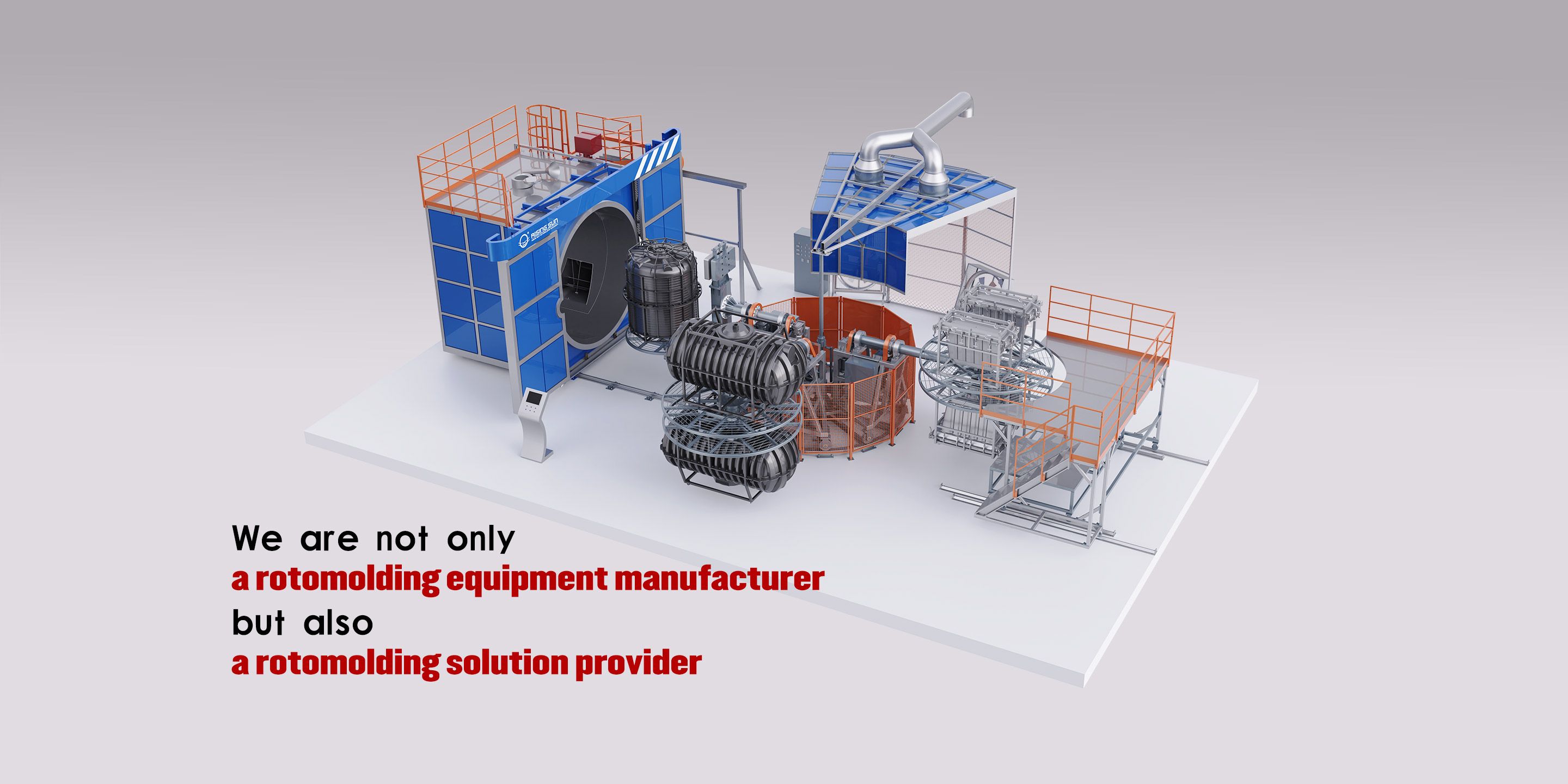
The difference often starts in the frame and how the joints are put together. Budget machines can flex under the weight of a full mould, which leads to uneven wall thickness, premature bearing wear, and a machine that never quite runs true. Durable rotational moulding machines use heavier steel sections, fully welded connections, and machined mating surfaces so the rotating arm stays stable even after thousands of cycles. That rigidity is not just about survival—it directly shows up in the consistency of every part that comes out of the mould.
Oven design is another area where long-lasting machines pull ahead. It is not about cramming in more heating capacity; it is about moving air so every part of the mould sees the same temperature. Insulated panels, properly sealed doors, and balanced airflow prevent hot spots that cause warping, thin areas, or surface defects. When the heating system also holds a steady output instead of swinging between extremes, operators spend less time adjusting cycles and more time pulling good parts.
The parts nobody sees—bearings, shafts, gearboxes—often decide whether a machine is still running straight ten years from now. Sealed, self-aligning bearings and robust drive components handle the constant rotation and heavy loads without developing play. In dusty plant environments, exposed bearings fail quickly; durable designs keep contamination out and need very little attention. These unglamorous components are what separate a machine that quietly does its job from one that becomes a maintenance headache.
Material Choices and Design Details That Extend Machine Life
Selecting the right materials often comes down to how they handle stress over time, not just their initial strength. For instance, high-cycle fatigue resistance matters more than tensile strength in components that experience constant vibration. Alloys with fine grain structures or surface treatments like shot peening can dramatically slow crack initiation, but these choices only work when paired with geometry that avoids sharp corners and sudden section changes. A well-designed fillet or a carefully placed relief groove can redirect stress away from vulnerable areas, adding years of service without increasing part weight.
Design details frequently make the difference between a part that survives and one that fails early. Consider lubrication paths: a simple chamfer at an oil hole entrance prevents debris from clogging the feed, while a slight crown on a sliding surface helps maintain a fluid film under misalignment. These micro-decisions are rarely visible in CAD models, yet they directly affect wear rates. Similarly, specifying a corrosion-resistant coating only on the load-bearing zones—rather than the entire component—can cut cost without sacrificing protection where it counts. The key is treating material selection and geometry as one integrated problem, not two separate checkboxes.
Maintenance-friendly design extends machine life by making degradation easier to spot and fix. Replaceable wear plates, positioned on high-contact areas with accessible fasteners, allow quick swap-outs during scheduled downtime. Even the orientation of a seal matters: placing it so that any weepage travels outward rather than pooling around bearings can prevent a minor leak from becoming a catastrophic failure. These details rarely appear in marketing brochures, but they consistently show up in machines that outlast their expected service intervals by a wide margin.
Inspecting Critical Components Before You Buy
Start with the parts that cost the most to replace. For a used car, that means the engine, transmission, and frame. Look for signs of leaks, odd noises during a cold start, and uneven panel gaps that hint at past accidents. A seller who won't let you do a proper cold start or blocks access to the VIN is already telling you something.
Don't skip the boring bits like wiring harnesses, fluid lines, and mounting brackets. These fail quietly but can strand you or turn a simple repair into a full teardown. Flex any rubber hoses—cracks at the bends are a red flag. Pull dipsticks and rub the fluid between your fingers; grit or a burnt smell means neglect, not age.
If you're not comfortable doing the deep inspection yourself, bring someone who is. A mechanic or a friend who rebuilds engines will spot things you'd miss, like a rebuilt title hidden under fresh paint or a transmission that shifts fine only when warmed up. Pay for the pre-purchase inspection. It's cheaper than finding out the hard way.
How Solid Construction Improves Everyday Output
A building that stands firm without creaks or drafts does more than protect its occupants from the weather. It allows people to focus on their work without the small, nagging distractions that poorly built spaces often introduce. When doors close tightly, floors don't shift underfoot, and walls keep out unwanted noise, the mind is free to settle into a rhythm. This quiet reliability forms the backdrop for steady, productive days.
Solid construction also reduces the constant need for repairs and adjustments. A well-built structure doesn't demand attention every few weeks with a new leak, a stuck window, or a patch of crumbling plaster. That saved time and effort can be redirected toward actual tasks, whether it's running a kitchen, stocking shelves, or writing reports. Over months and years, this accumulation of small wins shows up as higher output with less fatigue.
There is also a psychological lift that comes from working in a space that feels permanent and dependable. People tend to move with more confidence through rooms that hold their shape, and they treat their tools and materials with greater care when the environment itself seems to value order. The result is not always dramatic, but it is consistent: fewer interruptions, lower stress, and a clearer line from intention to finished work.
Signs You're Dealing with a Manufacturer Worth Trusting
Real trust starts when a manufacturer stops selling you perfection and starts admitting what might go wrong. A dependable partner will talk about material tolerances, lead time risks, and the occasional batch variance without being prompted. They don't hide behind glossy brochures—they hand over real production samples, walk you through their defect rate, and explain how they handle a machine breaking down mid-order. That level of candour is rare, and it's the first sign you're not just another invoice to them.
Another tell is how they treat the unglamorous parts of your order. Ask about packaging, labelling, or the exact thread count on a seam, and see if they respond with specifics or vague promises. A manufacturer worth keeping will have a named person who owns your project, not a rotating cast of sales reps. They'll also welcome a video call from the factory floor without a two-week notice, and they won't flinch when you ask about their sub-suppliers. Transparency about where materials come from—and what happens when a supplier fails—matters more than a polished website.
Finally, watch how they behave after the first shipment. A trustworthy manufacturer doesn't disappear once the invoice is paid. They check in on how the product performed, ask for photos of the final assembly, and genuinely want to know if the tolerance was tight enough. If there's a problem, they own it quickly and propose a fix that doesn't involve you chasing them for a credit note. That follow-through, especially on small orders, tells you they're building a relationship, not just clearing inventory.
Simple Maintenance Routines That Keep Precision Intact
A clean machine is a precise machine. Dust and residue might seem harmless, but they can throw off calibration over time. A weekly wipe-down of exposed surfaces, combined with monthly inspection of moving parts, catches small wear before it turns into measurement drift. You don't need expensive tools—just a lint-free cloth, a soft brush, and a habit of noticing what feels different.
Lubrication is another quiet hero. The right oil in the right places keeps slides and bearings moving smoothly, preventing the tiny hitches that accumulate into positional errors. But more isn't better; over-oiling attracts grit and creates a sticky film. Follow the manufacturer's intervals, use only recommended products, and record the date so maintenance stays consistent rather than reactive.
Finally, treat recalibration as routine, not a last resort. Temperature shifts, vibration from nearby equipment, and even everyday use gradually nudge settings off baseline. Scheduling a quick verification against a known reference once a month—no matter how stable the readings seem—ensures that small deviations are corrected before they compromise results. Precision isn't something you fix; it's something you keep.
FAQ
A maker worth your time will show a clear understanding of your production goals, not just push a standard model. Look for someone who asks about your materials, part sizes, cycle times, and floor space before discussing specs. Dependable builders also tend to have a long history of machines still running in the field, and they are not shy about giving you references from past customers.
Focus on the frame, arm assembly, and drive components. Thicker steel plates, reinforced joints, and well-aligned arms are easier to spot in photos or on a factory visit. Ask about the brand of motors, gearboxes, and bearings. If the maker avoids naming these or switches to cheaper parts under pressure, that is a warning sign. Also check how they route gas lines and electrical wiring; tidy, protected runs usually mean careful assembly.
The oven controls how evenly heat reaches the mould, which directly affects wall thickness and part strength. A well-designed oven uses proper airflow, good burner placement, and enough insulation to hold temperature without wild swings. Poor oven design leads to cold spots and warped parts. When comparing machines, ask about temperature uniformity across the working area and how the maker tests it.
Daily checks on burner flames, gas pressure, and arm movement catch small problems before they become breakdowns. Keep the oven interior and exhaust paths clean, because built-up residue changes heat distribution. Grease all pivot points on the schedule the maker recommends, and inspect chains or belts for wear monthly. Most important: do not skip the annual inspection of safety interlocks and gas fittings, even if everything seems fine.
Only if your parts or process have specific needs. A good maker will offer practical options like larger oven openings, multiple arm configurations, or controls that match your existing workflow. But avoid a builder who pushes endless add-ons without explaining how each one improves your output. The right level of customization solves real problems; it should not feel like buying a list of expensive extras.
Ask for contact information of current users, then call them and ask about downtime, support response, and any recurring issues. Request photos or videos of machines that have been running for five or ten years, not just new installations. Check if the maker publishes a clear service schedule and keeps spare parts in stock. A brief video walkthrough of their factory floor can also reveal whether they assemble everything themselves or outsource critical work.
Be cautious if the quote arrives too quickly with no questions about your parts or process. Vague answers about spare parts availability, no local service support, or a warranty that covers almost nothing are all warning signs. Pressure to pay a large deposit before finalizing drawings is another. Also watch for makers who claim their machines never break down or need no maintenance; every machine needs care.
Solid support starts with installation help and operator training, not just a manual and a phone number. The maker should offer remote troubleshooting, a clear process for ordering spare parts, and a realistic response time for service visits. Over time, they check in to see if your production needs have changed and can suggest upgrades or adjustments. That ongoing relationship matters more than a long warranty with fine print that makes claims difficult.
Conclusion
Choosing a rotational moulding machine goes far beyond comparing cycle times or platen sizes. The machines that stay dependable for years share a few unmistakable traits: frames built from thick, normalized steel rather than lightweight tubing, joints that are precision-machined and bolted with locking hardware, and moving parts that stay aligned even after thousands of heating and cooling cycles. Pay close attention to material choices as well—high-chromium steel in the oven, corrosion-resistant coatings on the arms, and sealed bearings that shrug off dust and plastic residue. These design details don't just extend service life; they keep every rotation smooth and prevent the small misalignments that lead to uneven wall thickness or premature mold wear.
Before signing an order, inspect the critical components yourself or ask for detailed photos: the oven heating elements, the mold clamping system, and the drive unit. Solid construction shows up in everyday output—consistent temperatures, stable rotation speeds, and fewer emergency stops. A manufacturer worth trusting will openly discuss their material grades, offer references from long-term users, and let you see the machine run a full cycle before shipping. After installation, stick to simple routines: grease the pivot points, check chain tension, clean the slip rings, and verify the platen alignment every few weeks. Those habits, combined with a machine built on quality rather than shortcuts, are what keep precision intact for a decade or more.
Contact Us
Contact Person: Sharon Zhu
Email: [email protected]
Tel/WhatsApp: 8615712666272
Website: https://www.risingsunroto.com