

Rigid Box Company Tips for Luxury Packaging That Wows Customers
2026-10-30
In luxury packaging, the unboxing moment can make or break a customer's perception of your brand. Rigid boxes have become the gold standard for premium products, but choosing the right rigid box company and design approach isn't always straightforward. Imagine Craft Packaging shares practical tips that help your packaging not only protect the product but also create an emotional connection that wows customers. From material selection to finishing touches, here's how to turn a simple box into a memorable brand experience.
Make the First Touch Feel Expensive
A dull gloss or a feather-light shell will quietly undercut everything you built before the box opens. The first physical contact sets the whole tone, so weight matters more than most brands admit. A slight heft, the cool resistance of a rigid board, the way a lid lifts without wobbling—these micro details plant the idea that someone obsessed over what’s inside.
Texture does the next round of work. Soft-touch matte reads calm and controlled, while a linen or cotton grain feels like a deliberate break from glossy sameness. Edges should not be sharp enough to catch a fingertip. If the surface invites a second pass of the thumb, the premium perception is already locked in before the product makes an appearance.
The final cue is friction. A lid that drags slightly, a magnetic closure that snaps with just enough authority, a ribbon that resists a little before releasing—these tiny hesitations slow the unboxing down. That momentary pause is what makes an opening feel staged rather than accidental, and it gives the object inside a slower, more expensive reveal.
Rigid Boxes That Resist the Squeeze Test
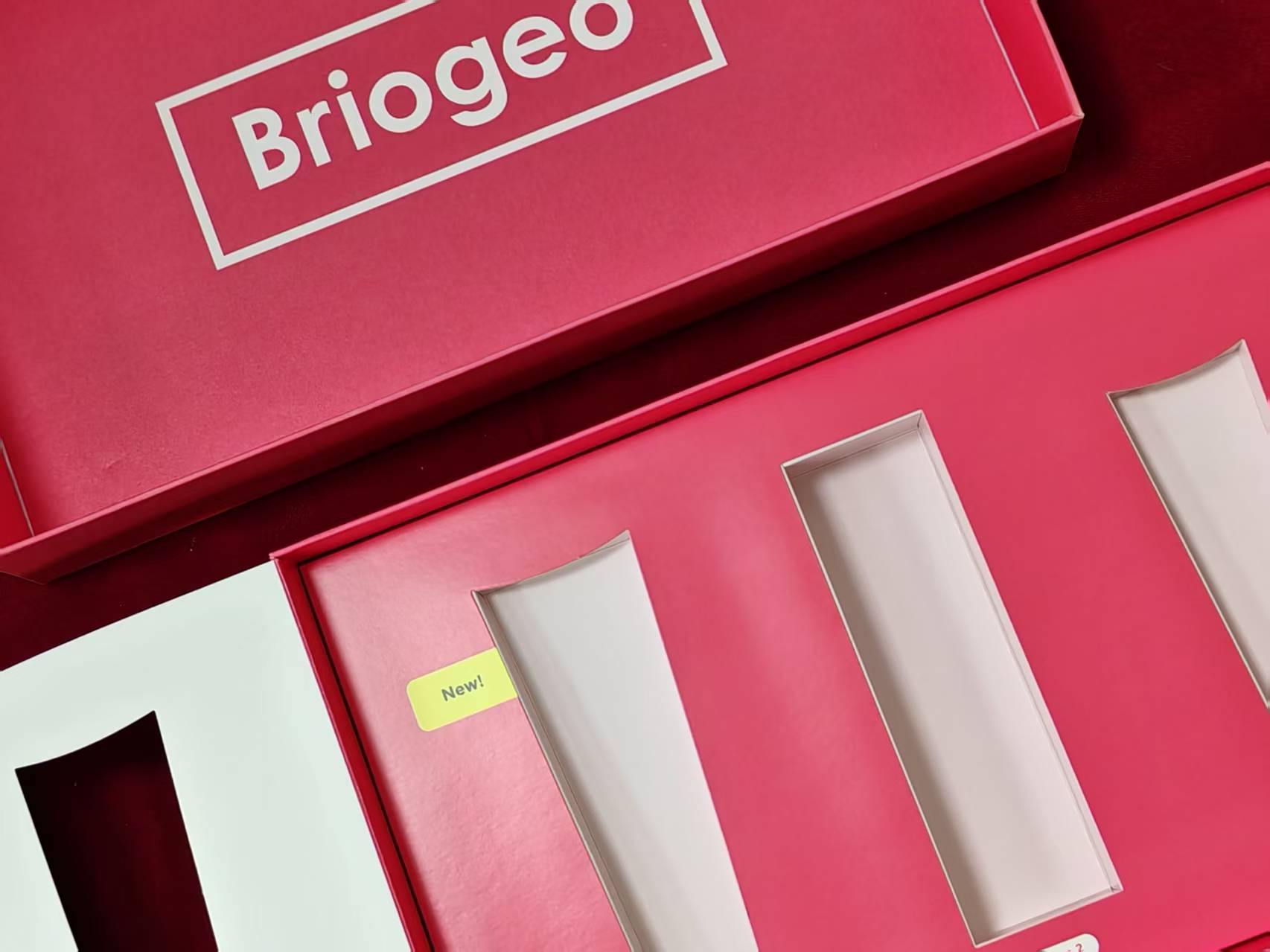
Press the sides of a standard shipping box and you'll feel the walls give. These rigid boxes don't budge. The difference comes from a dense chipboard core wrapped in a tightly bonded paper finish, so the structure holds its shape even under direct palm pressure. That's the squeeze test in action—no creasing, no inward collapse, no soft spots near the lid edges.
Reinforced joints and folded corner supports add another layer of resistance, keeping the box square when it's stacked or handled roughly. Whether it's holding a glass bottle or a precision tool, the extra rigidity means the contents stay protected without the need for bulky fillers. The result is a box that feels as solid as the product inside.
Add a Layer of Ritual with Magnetic Closures
There is a quiet satisfaction in the way a magnetic closure meets its counterpart—no fumbling, no force, just a subtle click that signals completion. It turns the simple act of opening and closing into something deliberate, almost ceremonial. Whether on a journal, a folio, or a small accessory, this tiny mechanism invites you to pause, if only for a second, and appreciate the moment of sealing or revealing.
Unlike zippers that demand a sharp tug or buttons that require precise alignment, magnetic closures offer a nearly effortless glide. The pull is gentle but confident, guiding the two sides together as if they remember each other. It is this tactile dialogue that elevates an everyday object, making it feel less like a tool and more like a companion you reach for with intention.
Over time, that soft snap becomes a small ritual in your day—a way to mark transitions, from work to rest, from public to private. It is not about luxury or complexity, but about adding a layer of mindfulness to the ordinary. The magnet does not demand attention; it simply waits, ready to reward your touch with a satisfying, near-silent affirmation.
Use Texture to Slow Down the Unboxing
Most packaging treats the surface as an afterthought, but a deliberate shift in texture changes the pace of opening. Run your fingers over a lightly ridged cardboard sleeve or a matte, almost suede-like wrap and the first touch already tells a different story. The slight resistance against your skin makes the hands slow down, turning a quick tear into a considered reveal.
Consider adding a secondary layer that asks to be peeled rather than ripped—a soft-touch laminate, a debossed logo pressed deep into the carton, or a paper band with a linen feel. These tactile cues don’t just decorate the box; they create small pauses. Each surface invites a moment of attention, so the unboxing becomes less about getting to the product and more about noticing how it is protected and presented.
Line the Inside Like a Jewelry Case
The choice of lining fabric sets the entire tone for what's inside. Velvet, suede, or even a brushed microfiber can transform a simple container into a keepsake. The moment the lid lifts, that soft, plush surface invites a gentle touch—much like opening a fine jewelry case where the interior promises something precious.
Beyond material, consider shaping the lining to cradle each item. Custom-cut recesses or padded dividers prevent movement and mimic the precise compartments found in high-end jewelry boxes. Whether it's a watch, a pair of earrings, or a collection of small treasures, every piece should have its own snug, tailored space.
Details matter as much as the main fabric. A contrasting trim, neatly folded corners, or a subtle sheen on the fabric can elevate the interior from functional to luxurious. These small touches echo the craftsmanship of a jeweler's case, where even the underside of the lid is finished with care.
Print Less, Emboss More
In a world overflowing with digital noise, the quiet power of a raised surface still stops the hand. Embossing doesn’t just decorate a page—it asks to be touched, remembered, and kept. Choosing to emboss more and print less is a deliberate shift from shouting to whispering, from information overload to tactile intention.
Think of the last business card you actually kept. Chances are it wasn’t the flattest one in the stack. A debossed logo, a subtle ridge along the edge—these details linger in muscle memory long after the ink fades. By cutting back on printed layers and allowing embossing to carry the weight, you give each piece a physical presence that screens simply can’t replicate.
This isn’t about abandoning print altogether; it’s about making every impression count. When you print less surface area and emboss the elements that matter most, the result feels less like marketing and more like a keepsake. In a culture of endless scrolling, a single raised letter can do what a thousand flat pages cannot: make someone pause, touch, and actually feel the message.
FAQ
The weight, texture, and subtle resistance of the lid all matter. A soft-touch finish or embossed logo adds a tactile surprise, while a gently padded interior suggests the product is being protected like a treasure.
Focus on one memorable detail rather than trying to mimic large-scale extravagance. A custom ribbon pull, an unexpected inner pattern, or a handwritten-style note on the inside lid can leave a stronger impression than heavy foil everywhere.
Sturdy greyboard wrapped in textured paper or book cloth gives a solid, lasting feel. For a more modern edge, consider uncoated recycled board with a single debossed element. Avoid glossy laminates that can cheapen the look.
Slow down the reveal. Use a magnetic closure that opens with a satisfying snap, then layer tissue or a dust cover inside. A hidden message under the lid makes the moment feel personal, not mass-produced.
Almost always. A well-fitted insert prevents movement, which silently communicates care. It also lets you control the first view of the product, framing it like a piece in a gallery instead of just sitting in a box.
Overcrowding the surface with logos and claims, choosing a box that is too large for the product, or using low-quality hinges that wobble. Simplicity and precision matter more than extra features.
Use recycled rigid board with a natural linen wrap and soy-based inks. Replace plastic foam inserts with molded pulp or folded kraft. The story of the material itself becomes part of the luxury, especially if you print a short note about it inside.
Conclusion
Luxury packaging begins long before the box is opened—it starts with the first touch. A rigid box with a weighty, substantial feel instantly signals quality, resisting the urge to flex or dent under pressure. This “squeeze test” resilience is non-negotiable; customers equate structural integrity with product worth. Adding a magnetic closure transforms opening into a quiet ritual, a deliberate pause that builds anticipation. Meanwhile, texture plays a subtle yet powerful role: a soft-touch laminate, a linen weave, or a debossed pattern encourages fingers to linger, slowing the unboxing moment and making it memorable.
Inside, the experience should mirror a jewelry case—custom-fit cavities, plush fabric linings, and thoughtful compartments that cradle the product like a treasure. This level of interior detail tells customers their purchase is precious. Finally, restraint in printing pays off: instead of loud graphics, rely on embossing and debossing to add dimension and elegance. A blind debossed logo or a raised monogram speaks quietly but convincingly. By combining these elements, a rigid box company can craft packaging that doesn’t just protect an item—it elevates the entire brand perception and leaves customers genuinely wowed.
Contact Us
Contact Person: Sunnie
Email: [email protected]
Tel/WhatsApp: +8615818596517
Website: https://www.imagine-craft.com/