

Professional Welding Clothing: Essential Gear for Safety and Performance
2026-07-24
Welding demands more than just skill—it requires gear that can take the heat. From sparks to spatter and intense UV exposure, every second on the job tests your protection. That’s where DROTEX professional welding clothing steps in, blending heavy-duty safety with day-long comfort and mobility. In this guide, we break down exactly what to look for in high-performance welding apparel and why the right choice changes everything on the shop floor.
Why Standard Gear Falls Short on the Job
When you're deep in a trench or balancing on scaffolding, the last thing you need is equipment that was designed for a controlled factory floor. Standard gear often ignores the chaos of real job sites—dust clogging vents on respirators, gloves that can't handle wet grip, or boots that stiffen up in cold mud. These aren't just annoyances; they turn a twelve-hour shift into a battle against your own tools.
Take something as basic as a utility knife. The off-the-shelf version works fine for opening boxes in a warehouse, but on a roofing crew, it's a different story. Blades snap when you need to cut shingles at an angle, and the handle gets slick with sweat within an hour. Workers end up wrapping them in tape or modifying them with makeshift grips—clear signs that the baseline design didn't account for heat, repetition, or the need for one-handed operation while holding materials.
Even safety features can backfire when they're built for averages. Hard hats with generic suspension systems slip on smaller heads, forcing wearers to tighten them constantly or wear them tilted. High-visibility vests get caught on protruding rebar because the fabric is too light. These failures aren't dramatic, but they chip away at trust and slow everything down. The real cost of standard gear isn't in the purchase price—it's in the moments you spend fighting it when you should be focused on the job.
Fabric That Works as Hard as You Do
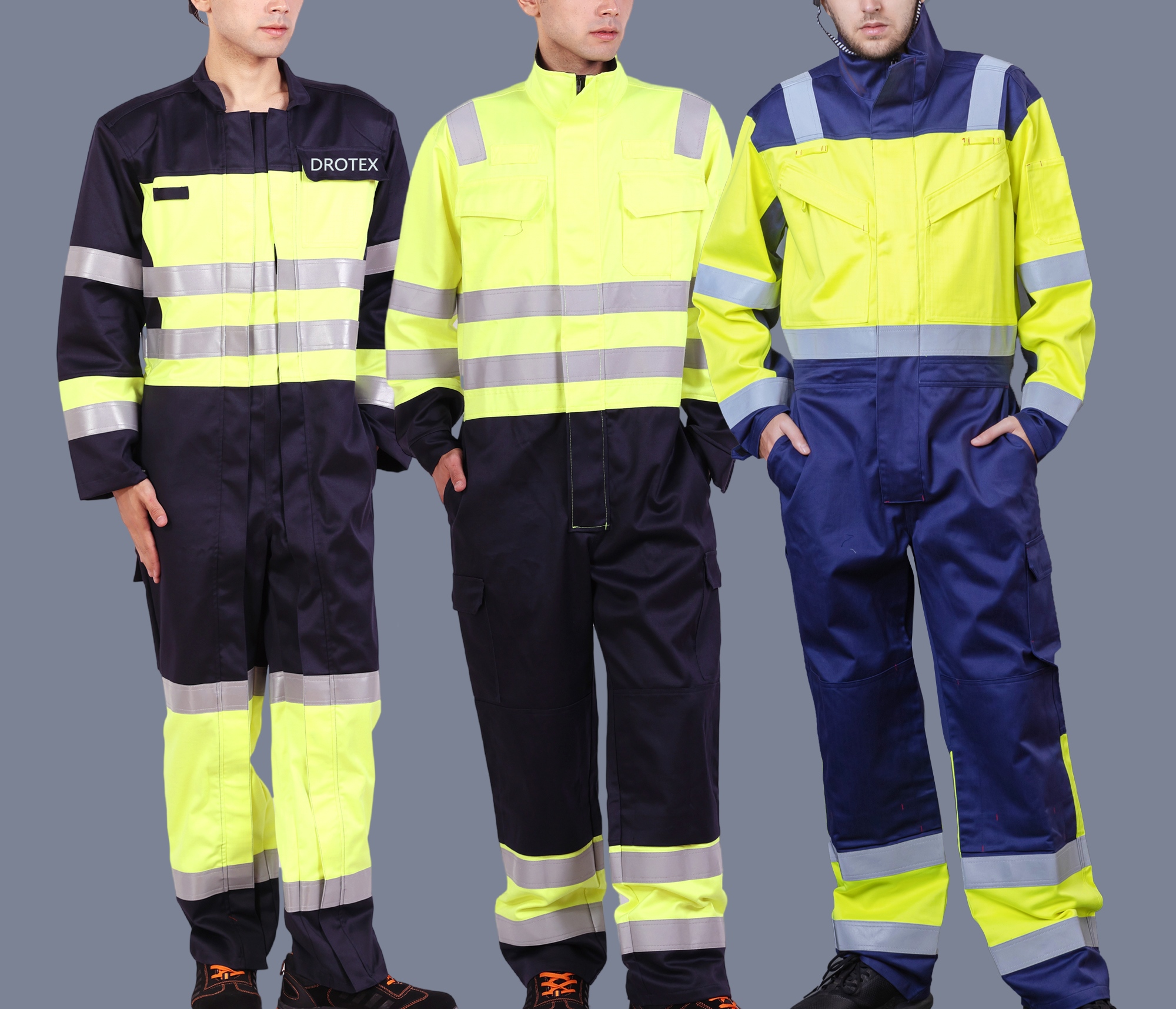
Some clothes just sit there looking pretty, but this fabric punches in for the long haul. It’s engineered to keep up with your busiest days, from sunrise coffee runs to after-hours errands, without missing a beat. Every thread is built to bend, stretch, and recover, so you never feel held back. The secret lies in a carefully balanced blend that wicks sweat fast, dries in a flash, and resists the kind of wear that would send lesser materials into early retirement. You won’t think about it working—you’ll just notice you stay cool, dry, and comfortable no matter what the clock throws at you.
We believe fabric should earn its place in your closet, not just take up space. That’s why we test it against real life: crouching, reaching, folding, and moving the way people actually do. It has a memory of its own, snapping back to shape wash after wash, so you never deal with baggy knees or saggy seams. The surface even resists pilling and pulls, keeping that neat look shift after shift. Whether you’re leading a meeting, chasing a toddler, or catching a last-minute flight, this fabric stays silently on duty—no complaints, no wrinkles, no excuses.
Think of it as gear that refuses to clock out. It’s breathable enough for a full sprint, yet polished enough for a pop-in video call. We skipped the gimmicks and focused on what actually matters: durability, comfort, and a fit that lets you be fully yourself. Because when your clothes work as hard as you do, you can show up confidently, knowing your outfit won’t let you down. That’s not a promise—it’s just how we engineer every fiber.
Design Details That Make or Break Your Shift
The smallest design choices can completely transform how your shift feels. A well-placed pocket that securely holds your essentials without adding bulk, or a zipper that glides smoothly even when you're in a rush, might seem trivial—until they aren't. These quiet details dictate whether your uniform works with you or against you through long, unpredictable hours.
Fabric weight and stitching durability come into sharp focus when you're moving non-stop. Seams that resist splitting under pressure, moisture-wicking properties that keep you comfortable without the crinkle of cheap synthetics, and a cut that allows full range of motion without losing shape—these aren't luxuries. They're the baseline for anyone who needs their gear to perform as hard as they do.
Even the tactile experience matters more than most realize. Buttons that stay firmly attached through repeated washes, drawstrings that don't fray after the first tug, and hems that maintain their integrity shift after shift. Overlook them, and you're left wrestling with your clothing when your focus should be on the task at hand.
Heat, Sparks, and the Reality of Daily Exposure
Every morning, the kitchen roars to life with the hiss of gas and the clatter of steel. The chef’s hands, flecked with old burns, move with practiced urgency above the griddle. This is not the dramatic fireball of a stunt show; it’s the quiet, persistent heat that seeps into skin, the tiny sparks from a grill that hardly register until they scar.
In workshops and factories, the story is similar. Welders know that it’s rarely the grand arc flash that leaves a mark—it’s the steady shower of spatter, day after day, landing on forearms and work boots. The hazard isn’t always obvious. It lives in the rhythm of the job, in the small moments of distraction when a sleeve catches a hot edge or a metal shaving finds its way past a glove.
Ordinary exposure rewrites the body in subtle ways. Over time, heat tolerance becomes a quiet companion, and deadened nerve endings tell a story of adaptation. Yet that same routine can breed complacency. The real threat isn’t the single catastrophic event—it’s the cumulative weight of a thousand tiny encounters, normalized until they become invisible. Recognizing that slow burn is the first step toward lasting safety.
Comfort Without Cutting Corners on Safety
True comfort isn’t just about plush materials—it’s the quiet confidence that every element around you has been engineered to protect. We’ve rethought how seating, surfaces, and structural supports can feel inviting without introducing hidden risks. Soft-touch edges absorb impact energy, while breathable fabrics pass rigorous flame-resistance standards without the stiff, chemical-treated feel found in lesser alternatives. The result erases the mental friction of worrying, so you can settle in deeply.
What often goes unnoticed is how safety can actually heighten the sense of ease. By integrating restraint systems directly into the frame contours, we eliminated the awkward bulk that usually digs into your back on long journeys. Sensors subtly adjust lumbar support during sudden maneuvers, keeping you firmly yet gently in position—a guardian that doesn't make its presence obvious until the millisecond you need it. This seamless interplay turns reactive safety into proactive relaxation.
Throughout the cabin, we took every opportunity to replace hard, unyielding surfaces with energy-absorbing composites that still feel solid under your fingertips. Door pulls, armrests, and even the glovebox latch were shaped to reduce injury potential without sacrificing the satisfying tactile feedback you expect. It’s a design philosophy that doesn’t ask you to choose between a welcoming environment and one that’s prepared for the unpredictable. Here, the two work in tandem, making comfort feel inherently secure.
Keeping Your Gear Reliable Over the Long Haul
Dependable equipment doesn’t happen by chance—it’s the result of consistent, thoughtful care that often goes unnoticed. Over time, even the toughest tools can develop subtle weaknesses if you’re not paying attention. Simple habits like cleaning threads after exposure to dust or giving moving parts a quick visual check before each use can prevent the kind of slow deterioration that leads to sudden failure. This isn’t about following a rigid checklist; it’s about building a routine that becomes second nature, so your gear stays ready without you having to think too hard about it.
Storage plays a bigger role than most people realize. For instance, leather and rubber components can degrade faster when left in direct sunlight or overly humid environments. A cool, dry spot with some airflow can make a surprising difference in longevity. Likewise, batteries tend to hold up better when stored partially charged rather than fully drained or topped off. It’s these small, often overlooked details—like loosening straps on a pack to relieve tension when it’s not in use—that add years to the life of your essentials.
When repairs are needed, don’t just patch something and hope for the best. Take the time to understand why a failure happened in the first place. Maybe a zipper keeps snagging because the fabric around it has shrunk slightly, or a flashlight flickers due to corroded contacts rather than a dying bulb. Addressing the root cause, even if it takes a bit longer, pays off in the long run. And sometimes, the smartest move is knowing when a piece of equipment has simply earned its retirement—forcing a tool past its natural lifespan can be more risky than reliable.
FAQ
Regular workwear simply isn't designed to handle the unique hazards of welding. It can catch fire, melt onto skin, or fail to block intense UV radiation. Professional welding gear is made from flame-resistant materials that won't ignite, and it provides full coverage against sparks, spatter, and radiant heat. Skipping proper protection isn't worth the risk of severe burns or long-term skin damage.
At a minimum, you need a welding jacket or apron, a welding helmet, sturdy gloves, and leather boots. The jacket covers your torso and arms, the helmet shields your eyes and face from arc flash, gloves protect your hands from heat and sparks, and boots keep slag from burning your feet. Many pros also add a cap or bandana under the helmet for extra head protection.
It depends on the type of welding. Leather offers superior heat and spatter resistance, making it ideal for heavy-duty MIG or stick welding, but it's heavier and less breathable. Treated cotton or FR fabrics are lighter, more comfortable for TIG welding or in hot climates, and still provide solid protection. Think about your working conditions and the intensity of the heat you'll face.
Look for a helmet with variable shade auto-darkening, a fast switching speed, and a wide viewing area. Comfort is crucial—adjustable headgear, lightweight design, and good balance reduce neck strain. Also, verify it meets ANSI Z87.1 or equivalent safety standards. I'd also recommend a grind mode if you alternate between welding and grinding.
Welding gloves are purpose-built. They're thicker, often lined with insulating material like wool or cotton, and have extended cuffs to shield the wrists. Regular leather gloves lack the necessary heat resistance and can shrink or become brittle. Invest in gloves rated for the amperage and process you're using—TIG gloves are more dexterous, while stick welding gloves are heavily padded.
Avoid washing FR-treated fabrics with regular detergents, fabric softeners, or bleach, as they can strip the flame resistance. Use mild soap and follow the manufacturer's instructions. Inspect gear regularly: replace any item with holes, heavy charring, or worn seams. Leather can be cleaned with a damp cloth and conditioned sparingly. Store everything in a dry, cool place away from direct sunlight.
In the U.S., look for ASTM F1506 or NFPA 70E for clothing, and ANSI Z87.1 for eye and face protection. In Europe, EN 11611 is the standard for welding protective clothing, and EN 175 covers helmets. These marks ensure the gear has been tested for flame spread, heat transfer, and impact resistance. Never buy gear that lacks clear safety labeling.
Absolutely. Look for jackets made from lightweight FR cotton or hybrid fabrics with mesh panels in less exposed areas. Some brands offer vented backs. You can also use a FR welding apron over a lightweight FR shirt for a cooler setup. Just make sure all outer layers are flame-resistant—synthetic base layers can melt, so stick with natural fibers like cotton or wool underneath.
Conclusion
On a busy jobsite, standard workwear quickly reveals its limits when faced with molten spatter, radiant heat, and the relentless demands of welding. Generic cotton or poly-blend garments not only ignite too easily but also trap heat and restrict movement in positions that already push the body to its extremes. Professional welding clothing rethinks every layer from the fiber up, using tightly woven, flame-resistant materials like treated cotton, leather, or advanced aramid blends that won't drip, shrink, or combust under a shower of sparks. These fabrics are chosen not just for their resistance to thermal transfer but for the way they shed spatter so you stay protected shift after shift. The real difference is in the construction: reinforced stress points, high-placed pockets that won’t catch slag, and double-stitched seams that hold together even when abraded daily. A collar that stays up without gapping, cuffs that seal over gloves without riding up—these aren’t cosmetic touches, they’re deliberate design choices that prevent burns and keep you focused on the arc, not on your gear.
Day in, day out, the reality of welding is a steady assault of heat and debris that most clothing simply wasn’t made to absorb. Without the right barrier, that cumulative exposure leads to chronic discomfort and, over time, serious skin damage. Quality welding apparel creates a buffer that manages heat without making you feel like you’re wrapped in a tarp—moisture-wicking back panels, articulated sleeves that follow your arm’s natural range, and venting that doesn’t compromise the fire resistance. Comfort directly impacts safety: when gear fights you, you take shortcuts. A jacket that breathes and moves with you is one you’ll actually wear, and that consistent protection is what keeps you safe. Keeping that gear reliable is its own discipline—regular inspections for thinning areas, proper storage away from harsh chemicals, and follow the manufacturer’s cleaning guidelines to preserve the flame-resistant properties. When your clothing is treated as a core tool rather than an afterthought, it retains its integrity for the long haul, saving you from costly replacements and, more importantly, from preventable injury.
Contact Us
Contact Person: Sandy
Email: [email protected]
Tel/WhatsApp: 86150 8310 5120
Website: https://www.frdrotex.com