

Paper Bag Making Machine Supplier: Essential Questions to Ask for a Smart Investment
2026-11-01
Buying a paper bag making machine is rarely a simple transaction. It's a long-term investment that can either streamline your production or drain your resources if you ask the wrong questions. From after-sales support to real-world output capacity, what you don't know can cost you dearly. That's why we at ROKIN encourage buyers to dig deeper than spec sheets and price tags. In this post, you'll find a practical list of essential questions to ask any supplier—so you can make a smart, confident decision.
Is the supplier’s production capacity in line with your growth plans?
When we map out where the business is heading over the next 18 to 24 months, one of the first things we look at is whether the supplier can actually keep pace with that trajectory. It’s not just about their current monthly output — it’s about the slack they have built into their lines, how quickly they can add a shift or bring on additional equipment, and whether their own raw material pipeline can flex without long lead-time surprises.
We’ve seen cases where a supplier looks great on paper for today’s volumes but starts to strain once orders tick up by 30% or more. So we dig into their historical ramp-up performance, their staffing depth, and whether they have a credible plan for capital investment. A supplier that is already running at 95% utilization may not be the right partner if you’re planning to double your range next year.
Ideally, we want a partner who can grow with us without forcing us to hold excessive inventory or constantly re-qualify new lines. That means having honest conversations about lead times, minimum order quantities, and their own constraints before we commit to a longer-term forecast.
What materials can their machines handle without compromising speed?
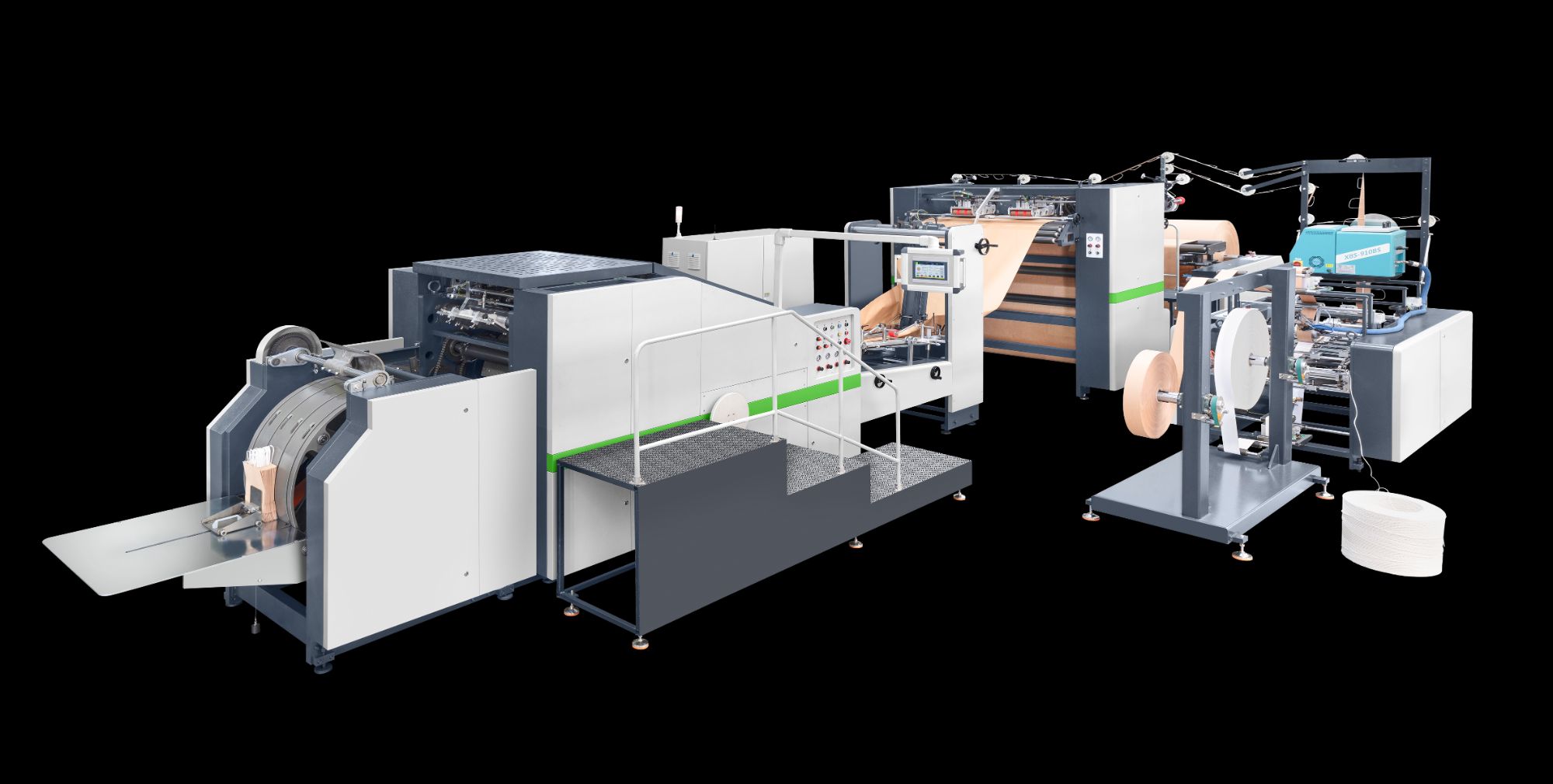
Their machines are built to chew through a wide range of materials at full throttle—aluminum, stainless steel, carbon steel, brass, and even high-temperature alloys like Inconel. The drive system and spindle are tuned so that switching from soft plastics to hardened tool steels doesn't force you to dial back the feed rate. You get the same aggressive cutting parameters whether you're profiling 6061 plate or slotting 4140 bar stock.
Wood composites, acrylics, and dense foams are handled just as confidently. The vacuum table and chip evacuation keep lightweight sheets from vibrating or lifting, so the gantry never has to slow down to avoid part movement. On the metal side, through-spindle coolant and rigid tap cycles let you push drills and taps at speeds that would stall lesser machines.
What really makes the difference is the adaptive control. It monitors spindle load and axis torque in real time, making micro-adjustments to maintain chipload without tripping a fault. So whether the job calls for gummy copper or abrasive fiberglass, the machine holds its programmed velocity instead of backing off when the material gets tough.
How transparent are they about maintenance and spare parts costs?
Most of the routine upkeep figures are laid out in plain sight. You can pull up the service schedule and see exact labor hours plus part prices for every interval—no vague “contact us for a quote” on standard items like filters, belts, or brake pads. It feels less like a guessing game and more like reading a restaurant menu with prices already printed.
For spare parts, there’s an online catalog where each component carries a retail price and an expected lifespan, so you can judge whether a replacement is worth it before you commit. Even small things like seals, sensors, or mounting brackets are listed with current stock levels and shipping costs. That’s rare—most brands hide those numbers behind a dealer login or a phone call.
Where it gets murkier is with non-standard repairs or damage outside the warranty. Those still route through a “request a quote” form, and the response time can vary. But for anyone planning regular maintenance or common wear-and-tear replacements, the cost picture is refreshingly clear from the start.
Can they provide references from businesses similar to yours?
A good way to gauge whether a provider really understands your situation is to ask for references from companies that operate in the same industry or face similar challenges. It's one thing to see a polished portfolio, but quite another to hear directly from a business owner who had to deal with the same constraints, timelines, or customer expectations you're juggling.
You don't need a list of fifty names. Two or three solid references from businesses of comparable size and structure will tell you more than a generic testimonial page. When you reach out, ask specific questions: Did the provider adapt when things shifted mid-project? Were they responsive after the contract was signed? Would they hire them again if they had to start over?
If a provider hesitates or says they can't share references due to confidentiality, that's not automatically a dealbreaker, but it is a signal to dig deeper. Sometimes you can ask for a redacted case study or a brief call with a past client under an NDA. The key is to verify that their experience is relevant to your business, not just impressive on paper.
What level of after-sales support do they actually deliver?
Most manufacturers promise rapid response times, but what matters is who actually answers when something breaks. A useful test is to call with a mid-level technical fault and see if you reach an engineer or a script reader. The stronger providers route complex issues to regional field technicians within a few hours, often with remote diagnostics already complete before the call ends.
Support depth also shows in replacement parts and turnaround. If a common wear component sits on backorder for three weeks while your equipment stays down, the warranty begins to look thin. Solid after-sales means local depots stocking high-failure spares and, where repairs drag beyond a couple of days, a loaner or priority refurbished unit offered without being asked.
Edge cases separate average vendors from dependable ones. When a unit arrives damaged, a firmware update bricks a controller, or an installer misses a scheduled slot, do they argue over blame or simply send a prepaid return label and ship a replacement first? The latter is the real measure of after-sales commitment, not the size of the phone support team.
How adaptable are their machines to future bag design trends?
The modular architecture of these machines deserves attention. Tooling components like formers, seal jaws, and cutting dies can be swapped or adjusted with minimal downtime, so a shift from simple pillow bags to stand-up pouches or quad-seal designs does not require a completely new line. Servo-driven axes allow dimensions to be changed through recipes rather than mechanical stops, which makes it practical to introduce new bag shapes every season.
Material flexibility is another area where adaptability shows. Future bag trends often involve thinner films, recyclable mono-materials, or bio-based substrates that behave differently under heat. The ability to store and fine-tune sealing temperature, pressure, and dwell time for each material profile means these machines can handle new laminates without extensive retooling. Edge-guide and tension control systems also compensate for the lower stiffness of some sustainable films.
Integration with digital design workflows further supports rapid response to trends. CAD files can be imported to configure bag dimensions, and some control systems accept updates for new formats remotely. This open-ended approach reduces the risk of a machine becoming obsolete when packaging aesthetics or functional requirements change.
FAQ
Request sample runs on their equipment using your exact paper stock, not just a standard demo video. Ask about roller pressure adjustment range, gusset formation accuracy, and bottom pasting reliability with your grammage. If possible, bring a roll of your material to their facility and watch the machine run it from a cold start.
Look beyond vague promises. Ask for a guaranteed response time in hours, not days, and whether the supplier keeps a local spare parts inventory. Confirm if their technicians are employed directly or subcontracted. A strong agreement includes remote diagnostics support and a penalty clause if the response deadline is missed.
Rubber rollers, cutting blades, heating elements for pasting, and perforation wheels are usually the first to wear. Ask the supplier for expected lifespan in millions of cycles for each item, then get written pricing for the first two years. Also check if aftermarket parts from other manufacturers can be used without voiding the warranty.
This depends on your order volume and labor costs. If you expect to produce more than 50,000 bags per day and local wages are rising, full automation often pays back faster. Ask the supplier whether their basic model has modular upgrade paths for automatic feeding, counting, and stacking, or if retrofitting would require major frame modifications.
Check the thickness of the steel frame and whether gears are heat-treated. Ask if the drive uses servo motors or mechanical cams, since servos allow precise adjustments without stopping. Also ask about the brand of PLC and bearings, and whether the machine's alignment can be recalibrated on-site as parts wear.
Ask for a training plan tailored to your operators' current skill level. It should include hands-on troubleshooting drills, not just slide presentations. Request the actual machine manual before delivery and confirm whether training happens at your facility or theirs, how many days it lasts, and if follow-up remote coaching is included for the first month.
Get a detailed breakdown of installation and commissioning, freight, customs duties, foundation preparation, and any required upgrades to your air compressor or electrical supply. Also ask about waste generated during trial runs, the initial spare parts kit, and software license fees. These can add 15 to 25 percent to the total cost if not clarified early.
Ask for a sustained output figure at 80 percent of the rated speed using your paper grade. Better yet, request an acceptance test that measures average bags per hour over a full 8-hour shift, including stops for paper splicing and minor adjustments. A written performance guarantee linked to that test is much more valuable than a brochure number.
Conclusion
Choosing a paper bag making machine supplier goes far beyond comparing prices and delivery dates. The first thing to pin down is whether their production capacity can actually keep pace with where you intend to take your business. A supplier who is already stretched thin will stall your growth, no matter how impressive their equipment looks on paper. Equally important is the range of materials their machines can handle. If switching from standard kraft to recycled or coated stock forces you to slow down or sacrifice output, the promised efficiency quickly disappears. You also want a supplier who is straightforward about what ownership really costs. Maintenance schedules and spare parts pricing should be laid out clearly before you sign anything, not hidden behind vague assurances.
Ask for references from companies in your own market segment, and actually call them. You will learn more from a ten-minute conversation with a current user than from any polished sales presentation. After-sales support is where many suppliers fall short, so dig into response times, technician availability, and whether remote troubleshooting is offered. Finally, think ahead. Bag designs change, and your machines should be flexible enough to accommodate new sizes, handles, and closure styles without requiring a complete overhaul. A supplier who treats your purchase as the beginning of a long-term relationship, rather than a one-time transaction, is the one worth investing in.
Contact Us
Contact Person: CARA
Email: [email protected]
Tel/WhatsApp: +8619519778302
Website: https://www.rokinmachinery.com