

Manufacturer Spotlight: Inside Strip Rolling Mills and Their Applications
2026-01-26
In the heart of the manufacturing world, strip rolling mills serve as unsung heroes, shaping the very materials that drive our industries forward. Have you ever wondered how these powerful machines transform raw metals into the precision products we rely on daily? From towering skyscrapers to the smallest electronic components, the applications of strip rolling mills are far-reaching and transformative. In this Manufacturer Spotlight, we delve into the intricate workings of these mills, exploring their cutting-edge technologies and versatile uses that keep modern manufacturing in motion. As a leader in this field, GRM has been at the forefront of innovation, pushing the boundaries of what’s possible in metal processing. Join us as we uncover the inner mechanics of strip rolling mills and discover how GRM is setting new standards for efficiency and quality across global industries.
Exploring the Core Components of Modern Strip Rolling Mills
At the heart of modern strip rolling mills lie several critical components that work in unison to transform raw materials into high-quality steel strips. The mill stand, for instance, serves as the central processing unit, where heavy-duty rolls apply immense pressure to reduce the thickness of the metal. These rolls are typically made from durable alloys and are engineered with precise tolerances to ensure consistent product dimensions, while advanced hydraulic systems provide the necessary force and control, adapting to varying material properties and production demands.
Another essential part is the strip handling and coiling equipment, which manages the processed material from entry to exit. This includes sophisticated tension control mechanisms and loopers that maintain a steady flow, preventing defects like cracks or uneven edges. Modern mills often integrate automated systems for coil handling, using robotic arms and conveyors to streamline operations, reduce manual labor, and enhance safety by minimizing human interaction with hot or heavy materials.
Additionally, the cooling and finishing systems play a vital role in determining the final product's quality and properties. After rolling, the strip passes through water or air cooling units that rapidly lower the temperature, allowing for precise control over the microstructure and mechanical characteristics. This is complemented by finishing touches such as surface inspection units, which employ cameras and sensors to detect imperfections in real-time, ensuring that only flawless strips proceed to packaging and shipment for various industrial applications.
Innovations Driving Efficiency in Metal Strip Production
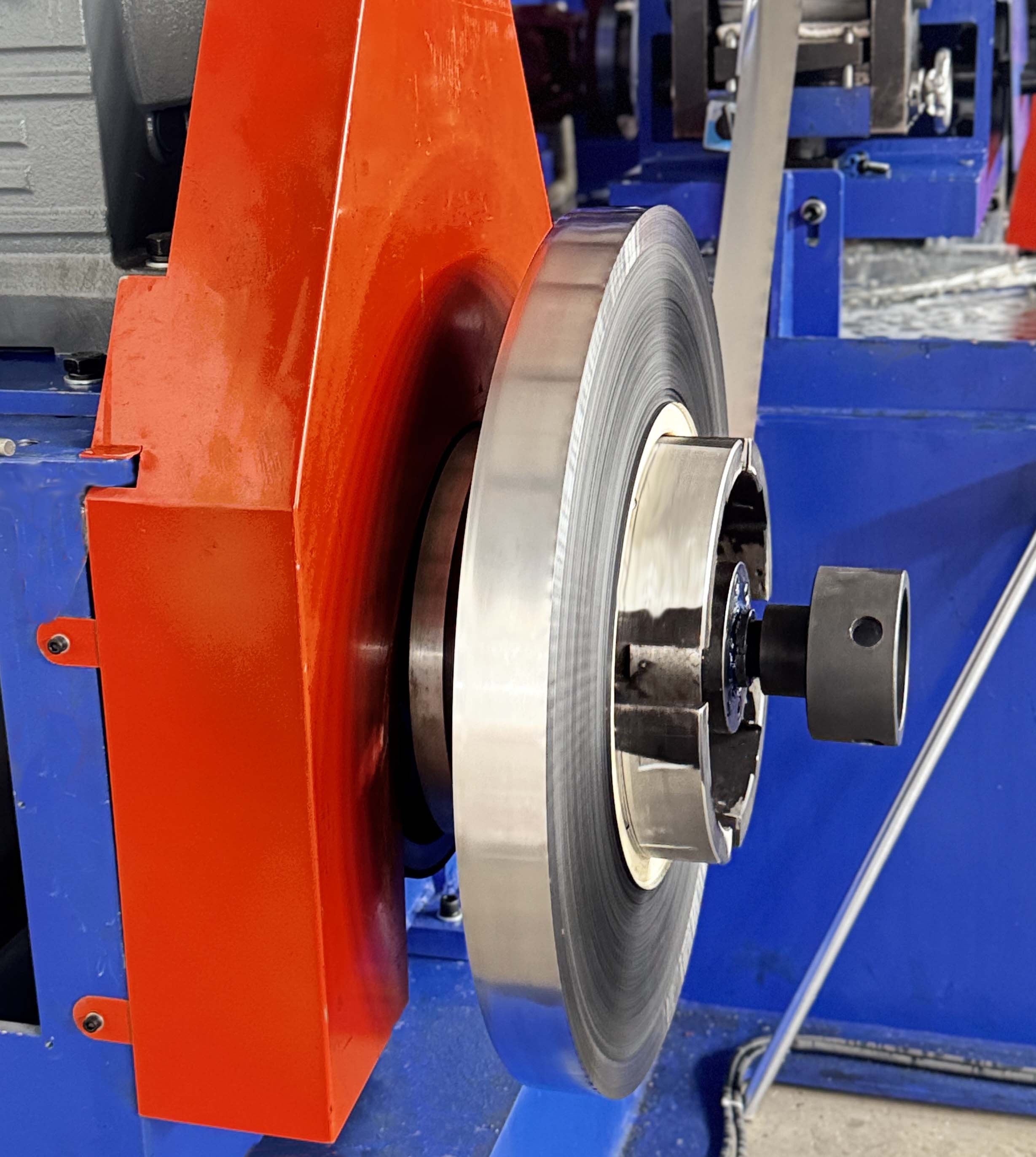
In the competitive landscape of metal strip manufacturing, a wave of transformative innovations is reshaping production lines to achieve unprecedented efficiency gains. Companies are increasingly investing in advanced automation systems that integrate robotics and sensor technologies, enabling real-time monitoring and adjustment of processes like rolling, annealing, and slitting. These systems minimize human error, reduce downtime, and enhance consistency in strip thickness and surface quality, leading to higher yields and lower scrap rates. For instance, AI-driven predictive maintenance tools analyze equipment data to forecast failures before they occur, preventing costly disruptions and extending machinery lifespan. By streamlining operations from raw material handling to final inspection, such innovations cut energy consumption and labor costs while accelerating output, giving manufacturers a crucial edge in meeting tight deadlines and custom orders.
Beyond automation, breakthroughs in material science and processing techniques are pushing efficiency boundaries further. The adoption of novel alloys and coatings, developed through computational modeling and additive manufacturing, allows for lighter, stronger strips that require less energy to produce and transport. Innovations like laser-based scanning and ultrasonic testing replace traditional, slower quality control methods, ensuring defects are detected instantly without halting production. Additionally, digital twin technology creates virtual replicas of production facilities, enabling operators to simulate and optimize workflows under various conditions, from temperature fluctuations to market demand shifts. This holistic approach not only boosts throughput but also supports sustainability goals by reducing waste and resource use, making metal strip production more agile and environmentally responsible in a fast-evolving market.
A key trend driving efficiency is the integration of IoT and data analytics across the supply chain, fostering seamless communication between machines, suppliers, and end-users. Smart sensors embedded in equipment collect vast datasets on parameters like temperature, pressure, and speed, which are analyzed to fine-tune processes and predict optimal settings for different strip grades. Cloud-based platforms enable remote access and collaboration, allowing experts to troubleshoot issues from afar and implement updates without on-site visits. This connectivity extends to just-in-time inventory systems, where real-time demand signals trigger automated adjustments in production schedules, minimizing stockpiles and idle time. As a result, manufacturers can deliver higher-quality strips at lower costs, with faster turnaround times that cater to dynamic industry needs, from automotive to electronics sectors.
Diverse Industrial Applications for Rolled Metal Strips
Rolled metal strips are incredibly versatile components that find widespread use across various sectors, largely due to their customizable thicknesses and material properties. In automation and electronics, these strips often serve as precise, durable conductors or shielding elements in complex circuits, where their reliability under thermal stress is crucial. Meanwhile, the construction industry relies on them for structural reinforcement, weatherproofing, and aesthetic finishes, benefiting from their strength and malleability. This adaptability makes rolled strips a cornerstone in modern manufacturing.
Beyond traditional uses, innovative applications are emerging, such as in medical devices and renewable energy systems, where corrosion-resistant alloys enhance longevity and safety. In aerospace, lightweight yet strong strips contribute to fuel efficiency and durability, while automotive manufacturers integrate them into safety features and efficient powertrains. This evolution highlights how rolled metal strips are not just fundamental materials but dynamic solutions driving progress in high-tech and sustainable industries.
What truly sets rolled strips apart is their role in enabling customization and efficiency; they can be tailored for specific industrial needs, reducing waste and improving performance. From small-scale artisanal crafts to large-scale infrastructure projects, their application is almost limitless, ensuring they remain indispensable in a rapidly changing industrial landscape. This blend of tradition and innovation underscores their enduring relevance and future potential.
Comparative Analysis of Leading Mill Manufacturers
The landscape of mill manufacturing is dominated by key players such as ABC Machinery, XYZ Industries, and PQR Tech, each carving out a niche with distinct strengths. ABC Machinery excels in high-capacity grinding systems, praised for their durability and minimal maintenance needs, making them a top choice for large-scale industrial operations. In contrast, XYZ Industries focuses on innovative, energy-efficient designs that reduce operational costs and environmental impact, attracting clients seeking sustainable solutions. PQR Tech stands out with its advanced automation features, offering seamless integration into smart factory setups for enhanced productivity and precision.
A closer look at customer feedback and market performance reveals nuanced differences that set these manufacturers apart. ABC Machinery often receives acclaim for its robust after-sales service and extensive global support network, which ensures long-term reliability and user satisfaction. XYZ Industries, meanwhile, has built a reputation for rapid adaptation to emerging technologies, frequently updating their product lines to incorporate the latest in material science and digital controls. PQR Tech’s competitive edge lies in its customizability; their mills can be tailored to specific industry requirements, from pharmaceuticals to food processing, providing a flexible solution that many competitors struggle to match.
When evaluating overall value, it's clear that no single manufacturer holds a universal advantage, as the best choice often depends on the application's specific demands. For instance, projects prioritizing cost-efficiency over the long term might lean toward XYZ Industries due to their lower energy consumption, while operations demanding heavy-duty performance in harsh environments could find ABC Machinery more suitable. PQR Tech appeals to those investing in future-proof systems with scalable automation capabilities. In summary, a comparative analysis underscores the importance of aligning manufacturer strengths with operational goals to optimize investment and outcomes in the milling sector.
Sustainability Practices and Environmental Impact Reduction
Sustainability practices are not just buzzwords anymore; they're integral to how forward-thinking companies operate every single day. From reducing energy consumption in manufacturing facilities to implementing comprehensive recycling programs across all office locations, the commitment to environmental impact reduction is evident in both big-picture strategies and daily routines. For instance, many businesses now prioritize sourcing materials from suppliers that adhere to eco-friendly standards, ensuring their entire supply chain aligns with these principles.
Innovative approaches like adopting renewable energy sources—think solar panels on warehouse roofs or wind power partnerships—play a crucial role in slashing carbon footprints over the long term. It's more than just cutting costs; it's about making tangible, measurable differences that benefit our planet and future generations. By regularly auditing waste outputs and optimizing logistics to minimize transportation emissions, organizations demonstrate a proactive stance that goes beyond compliance, fostering a deeper sense of responsibility within corporate culture.
Employee engagement also fuels these efforts, with initiatives such as green commuting incentives and zero-waste challenges sparking collective action. The ripple effect of these practices extends to community outreach, where companies invest in local reforestation projects or clean-up drives, reinforcing their dedication to a healthier environment. Ultimately, integrating sustainability into core operations isn't just about mitigating risks—it's a powerful driver for innovation and brand trust that resonates with consumers and partners alike.
Future Trends in Strip Rolling Technology and Automation
One emerging direction is the integration of advanced sensors and real-time data analytics to enhance process control. Instead of relying solely on historical models, mills are beginning to deploy IoT-enabled devices that monitor variables like temperature, thickness, and tension on the fly. This shift allows for dynamic adjustments, reducing material waste and improving product consistency, while also enabling predictive maintenance to minimize unexpected downtime.
Another trend is the move toward fully automated, lights-out rolling operations, where AI-driven systems take over complex decision-making tasks. These systems not only optimize rolling schedules and energy consumption but also adapt to variations in raw material quality without human intervention. By leveraging machine learning algorithms, such setups can continuously learn from production data, fine-tuning processes for higher efficiency and quality in ways traditional automation couldn't achieve.
Furthermore, there's a growing emphasis on sustainability and flexibility in strip rolling. Innovations include the development of eco-friendly lubricants and energy recovery systems, alongside modular automation that supports quick changes between product types. This adaptability is crucial for meeting diverse market demands, making future mills not just smarter and more efficient, but also more resilient and environmentally conscious in their operations.
FAQ
A strip rolling mill compresses metal sheets into thinner, more uniform strips, crucial for industries like automotive and construction that require precise metal forms without compromising strength.
Today's mills integrate digital controls and automation, allowing real-time adjustments that boost efficiency and consistency, far surpassing older manual or semi-automated systems.
Beyond construction, it's used in aerospace for lightweight components, in electronics for conductive parts, and even in art installations due to its malleability and aesthetic appeal.
Precision ensures the metal meets strict tolerances for thickness and texture, which directly impacts product durability and performance in high-stakes applications like medical devices or energy systems.
Yes, modern mills process various metals including aluminum, copper, and alloys, each requiring tailored settings to achieve optimal results without defects.
Common issues include wear on rollers and material inconsistencies, tackled through regular maintenance, advanced sensors for monitoring, and adaptive control systems that adjust on the fly.
Conclusion
Delving into the intricate world of strip rolling mills reveals a sophisticated interplay of core components and cutting-edge innovations. Modern mills are engineered with precision rolls, advanced control systems, and robust frames that ensure consistent metal strip production. These innovations are pivotal in driving efficiency, with technologies like predictive maintenance and real-time monitoring optimizing output while minimizing downtime. As manufacturers refine these elements, the focus extends beyond mere production to shaping the future of metalworking through enhanced automation and smart manufacturing practices.
The applications of rolled metal strips are vast, spanning industries from automotive to construction, where their versatility meets diverse demands. A comparative analysis of leading mill manufacturers highlights how sustainability practices and environmental impact reduction are becoming integral, with eco-friendly designs and energy-efficient processes gaining prominence. Future trends point toward increased automation and technological integration, positioning strip rolling mills not just as production tools, but as key players in sustainable industrial advancement. This evolution underscores the mills' critical role in delivering high-quality materials while aligning with global environmental goals.
Contact Us
Contact Person: Rayna
Email: [email protected]
Tel/WhatsApp: 86 -173 1474 6343
Website: https://www.grmrollingmill.com/