

GS-441524 FIP Treatment from China: A Breakthrough Option for Cat Owners
2026-10-04
Just a few years ago, a diagnosis of feline infectious peritonitis meant almost certain death for a cat. But cat owners from around the world are now turning to a treatment from China that is quietly changing that narrative: GS-441524. This antiviral compound attacks the virus directly, and for many, it has turned a terminal diagnosis into a manageable condition. If you’re navigating the confusing world of FIP treatments, this post will walk you through what GS-441524 is, how it works, and why sourcing it through a trusted partner like Lucpets can make all the difference for your feline friend.
Understanding GS-441524: The Antiviral Behind FIP Remission
GS-441524 belongs to a class of nucleoside analogues that jam the replication machinery of feline coronavirus. The drug mimics a building block the virus needs to copy its RNA; once incorporated, it halts chain extension. This does not directly destroy infected cells, but it lowers viral load enough for the cat's own immune defenses to regain ground. In most treated cats, fever, effusion and neurological signs begin to recede within days, though full remission is typically judged only after a 12-week course and a follow-up observation period.
The path from laboratory finding to household remedy has been anything but linear. GS-441524 was studied as a close relative of remdesivir, yet veterinary approval remains limited in many regions. Pet owners often turn to compounded formulations or unlicensed suppliers, which creates uneven quality and dosing challenges. Still, the drug's repeatable performance across thousands of treated cats has made it the backbone of modern FIP therapy. Relapses do occur, and some cats need a second or extended course, but the shift from near-certain fatality to realistic remission is the reason this molecule draws so much attention.
Why Chinese Suppliers Became the Go-To Source for Cat Owners
A big reason cat owners started ordering directly from Chinese suppliers is simple math. A $6 scratching post on a Western retail site often costs $1.80 to make in a Guangdong factory, and the supplier is happy to sell it for $4 with custom colors or a logo. Once platforms like Alibaba and Made-in-China made it easy to message a factory, place a small trial order, and pay through escrow, the middleman markup stopped making sense for people buying in bulk for shelters, rescues, or their own multi-cat households.
Beyond price, the speed of customization keeps buyers coming back. Want a cat tree with replaceable sisal panels, a specific wood finish, or a base wide enough for a chunky Maine Coon? Many Chinese workshops will adjust dimensions, materials, and packaging within days, not weeks. This flexibility grew out of years of producing for overseas brands, so a lot of that know-how is now available to individual buyers who ask the right questions.
There’s also a practical shift in quality control and shipping. It used to be a gamble to order a container of fuzzy tunnels and hope they didn’t smell like chemicals. Now, many suppliers post video walkthroughs of their production lines, offer third-party inspection for a small fee, and ship small parcels through dedicated logistics lines that track every step. Cat owners share photos and reviews in Facebook groups and Discord servers, so a factory that sends warped boards or weak joints gets exposed quickly. That word-of-mouth pressure has pushed the better suppliers to treat direct buyers almost as carefully as big retail clients.
From Diagnosis to Dosing: What a Typical Treatment Plan Looks Like
A treatment plan rarely unfolds in a straight line. It starts with a diagnosis that feels more like a question than an answer—blood work, imaging, maybe a biopsy—each result narrowing the possibilities but also raising new ones. The moment you sit down with your clinician to review the findings, the room shifts from abstract numbers to a concrete path. That path isn't handed to you as a finished map; it's sketched in pencil, with room to adjust based on how your body responds and what your life actually allows.
From there, dosing becomes an ongoing dialogue rather than a fixed prescription. The first dose is an educated guess, grounded in population data and your liver function or body weight, but it's the follow-up visits that refine it. Some weeks call for a smaller step up, others for a pause to manage side effects that only show up once you're home, not in the clinic. Good clinicians expect this back-and-forth and design check-ins at intervals that feel responsive, not ritualistic. You learn to read your own signals—fatigue that lingers past noon, a tremor that wasn't there before—and bring those notes to the next conversation.
The typical plan, if there is such a thing, hinges on one principle: flexibility with a backbone. The backbone is the therapeutic target, the lab value or symptom threshold you're both aiming for. The flexibility is how you get there—splitting doses, trying an alternative formulation, or shifting the timing to match your sleep or meals. A plan that looks identical on paper for two people can feel completely different in practice, and that's not a flaw. It's the difference between treating a diagnosis and treating a person who happens to carry one.
Real-World Outcomes: What Owners Are Reporting After Treatment
Owners tracking their pets after treatment often mention shifts that don't show up in clinical summaries. Some notice a return to everyday habits first—jumping onto a favorite chair, greeting them at the door, or showing interest in food again. These small markers tend to surface before bigger improvements, and they're easy to overlook if you're only watching for the original symptom to disappear.
Reports also vary by the condition being treated and how long it has been present. A dog recovering from joint discomfort may seem more willing to climb stairs within the first few weeks, while a cat with digestive issues might take longer to show steady appetite changes. Owners who keep a simple weekly note often describe a pattern: good days cluster, then spread, rather than arriving all at once.
Not every report is a straight line. Some owners mention temporary setbacks—lower energy for a day or two, or a return of mild signs—before the next stretch of improvement. Those who stick with the plan frequently say the overall arc matters more than any single day, and they point to later weeks as the point where the change became obvious to family members too.
Navigating Cost, Import Rules, and Quality Concerns
When you start sourcing from overseas, the first shock is rarely the unit price. It is the freight quote, the customs bond, the port handling fee, and the tariff code you did not know existed. Get itemized quotes from at least three forwarders and ask them to break down every line, not just the headline rate. If a supplier offers free shipping, read that as the cost is buried somewhere else. Budget an extra 15 to 20 percent on top of your landed cost estimate until you have real shipment data.
Import rules are not just paperwork. They are a moving target. A product that clears customs today might be reclassified next quarter. Talk to a customs broker before you commit to a design or material, not after the container is on the water. Ask about labeling requirements, testing certificates, and any quotas or anti-dumping duties. A thirty-minute call can save you from a warehouse full of goods you cannot legally sell.
Quality concerns multiply when you cannot stand next to the production line. Do not rely on a supplier's word or a single pre-shipment photo. Set a clear quality standard in writing, including tolerances, packaging specs, and defect limits. Then hire a third-party inspection for the first three orders at minimum. If the supplier pushes back on inspection, that is not a red flag. It is a stop sign.
Questions to Ask Before Starting Your Cat on GS-441524
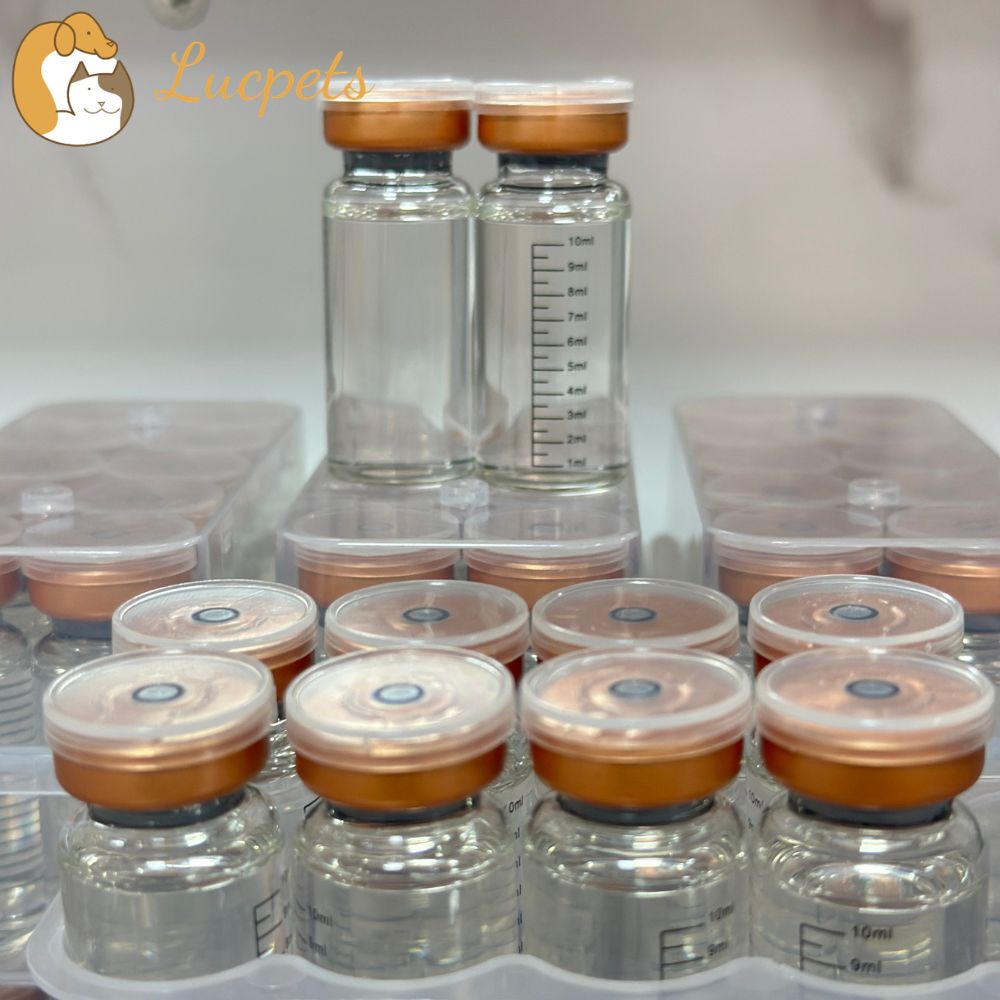
Before you even think about ordering that first vial, sit down with your vet and go through the hard questions. How was the FIP diagnosis confirmed — was it based on bloodwork, fluid analysis, or just a strong clinical suspicion? You need to know if there is any chance this could be something else, because GS-441524 is not a harmless supplement. Ask about the exact formulation they recommend, whether it is an oral pill or a subcutaneous injection, and what the expected success rate is for your cat's specific form of the disease (wet, dry, ocular, or neurological).
Then dig into the practical side. How long will the treatment last, and what is the total cost including follow-up blood tests and supportive care? Many owners are surprised by the need for injections every single day for 12 weeks or more, so ask about injection site reactions and how to manage them. If you are sourcing the drug from a compounding pharmacy or an online group, ask your vet how to verify the purity and concentration — counterfeit or underdosed GS-441524 is a real problem. Also clarify what signs of relapse to watch for after treatment ends, and whether a second round is even possible if the first one fails.
Finally, do not skip the quality-of-life conversation. Some cats with advanced neurological FIP may not respond well even with the right dose, and you need a clear plan for when to stop. Ask about pain management, appetite stimulants, and how often bloodwork should be repeated to monitor liver and kidney values. A good vet will welcome these questions and help you weigh the risks against the chance of a cure — because once you start GS-441524, you are committing to a strict protocol that leaves little room for hesitation.
FAQ
It's an antiviral compound that blocks the replication of the FIP virus. Originally studied for Ebola, it turned out to be remarkably effective against feline coronavirus, which mutates into FIP. Many cat owners have seen cats go from near death to normal within weeks.
Because the drug isn't approved by veterinary regulators in most Western countries, and there's no commercial version available through regular vets. Chinese manufacturers produce the active ingredient and sell it directly to pet owners or through online groups, often at a fraction of what black-market US sellers charge.
It's usually a daily injection given under the skin for 12 weeks. Some newer oral formulations exist, but injections are more common. Dosing depends on the cat's weight and the type of FIP—wet, dry, ocular, or neurological. The needles are small, and most cats tolerate it surprisingly well.
The most common issues are skin sores at the injection site, mild nausea, and occasionally elevated liver enzymes. Severe reactions are rare but can include kidney strain. Regular bloodwork is essential, and some cats need a lower dose or a few days off if they develop significant irritation.
It varies by the cat's weight and the specific seller, but a rough range is $800 to $2,500 for the entire 12-week course. That includes the drug, needles, syringes, and sometimes supportive supplements. Lab tests and vet visits add extra, but it's still far less than the $5,000 to $10,000 quoted by some US-based resellers.
The legal situation is murky. The FDA hasn't approved it for veterinary use, and importing unapproved drugs technically violates regulations. In practice, customs rarely seizes small personal quantities, and many owners do it anyway because the alternative is euthanasia. Some vets quietly support the practice but can't prescribe it formally.
In clinical studies and large owner-reported groups, the success rate is around 80-85% for wet FIP and slightly lower for dry or neurological forms. Relapses happen in about 5-10% of cases, usually within the first few months after treatment ends. Starting treatment early and injecting consistently are the biggest factors.
Most people connect through FIP Warriors or similar Facebook groups where experienced admins vet suppliers and share batch testing results. Directly searching online is risky because there are fake or diluted products. Trusted suppliers usually provide lab reports and offer support throughout the treatment.
Conclusion
Feline infectious peritonitis no longer has to be the automatic end of the road. GS-441524, the active antiviral behind many remissions, works by blocking viral RNA replication, giving a cat's immune system the chance to regain control. When branded options stayed out of reach, Chinese suppliers stepped in with affordable generic versions, and cat owners quickly learned to navigate that landscape. A typical plan starts with a confirmed diagnosis—often via fluid analysis or PCR—then moves to daily subcutaneous injections, usually dosed by weight, for around 12 weeks. Some owners switch to oral forms after the critical initial phase. The injections sting, and the schedule is demanding, but the structure gives many cats a real shot.
What owners report matches the promising data: cats that were lethargic and feverish often turn around within days to weeks, though finishing the full course matters more than early gains. Costs remain a hurdle, but Chinese generics have cut them by more than half compared to black-market branded vials. The real risk is quality variance—some batches are underdosed or impure, so third-party testing and vet oversight are non-negotiable. Import rules vary by country, and customs seizures happen. Before starting, ask your vet about baseline bloodwork, exact dosing calculations, reliable supplier verification, and what relapse looks like. The community is full of success stories, but the smartest owners treat GS-441524 as a serious medical protocol, not a DIY experiment.
Contact Us
Contact Person: Aaron
Email: [email protected]
Tel/WhatsApp: +86 18177165140
Website: https://www.lucpetsglobal.com