

Filter Press Fabrication for Municipal Sewage Chambers: Key Steps and Best Practices
2026-08-10
Municipal sewage chambers demand robust dewatering solutions, and filter press fabrication is at the heart of reliable sludge management. From plate design to frame integrity, every step shapes operational efficiency. At Sinou, we’ve seen how precision engineering can turn a maintenance headache into a seamless process. If you’re involved in specifying or operating wastewater treatment equipment, understanding these key steps isn’t just technical—it’s a competitive edge.
Selecting Corrosion-Resistant Materials for Long-Term Reliability
Choosing materials that can stand up to corrosive environments isn’t just about picking a stainless steel grade and calling it a day. Real long-term reliability comes from digging into the specifics—what chemicals, temperatures, and mechanical stresses will the material actually face? Too often, we see failures traced back to assumptions that one-size-fits-all solutions will hold up. The key is matching the material’s passive film stability, pitting resistance, and microstructure to the exact service conditions. Without that deeper match, even a highly alloyed metal can crack or pit far earlier than expected.
It’s easy to lean on corrosion tables or standard recommendations, but those rarely capture the nuance of fluctuating process conditions or trace impurities that can turn a benign environment aggressive. For instance, chlorides at low concentrations might be harmless at room temperature but devastating under heat and tensile stress. That’s why a detailed failure analysis of previous components—whether in your own plant or similar operations—offers more actionable insight than any textbook. Sometimes, the real solution lies in a material that isn’t the obvious choice: a duplex stainless steel, a nickel alloy, or even a carefully engineered polymer lining.
The upfront material cost can be misleading if you ignore the whole picture. A cheaper alloy that requires frequent inspection, coating repairs, or unexpected replacements often ends up costing far more over a decade than investing in a properly selected corrosion-resistant metal from the start. Design details matter just as much: crevices, weld zones, and areas of stagnant flow are where most corrosion problems brew, regardless of the base material’s general rating. Bringing a corrosion specialist into the early stages of design—not just as a last-minute materials check—can mean the difference between a system that lasts 30 years and one that fails in three.
Engineering Robust Frames to Withstand Daily Operational Stress
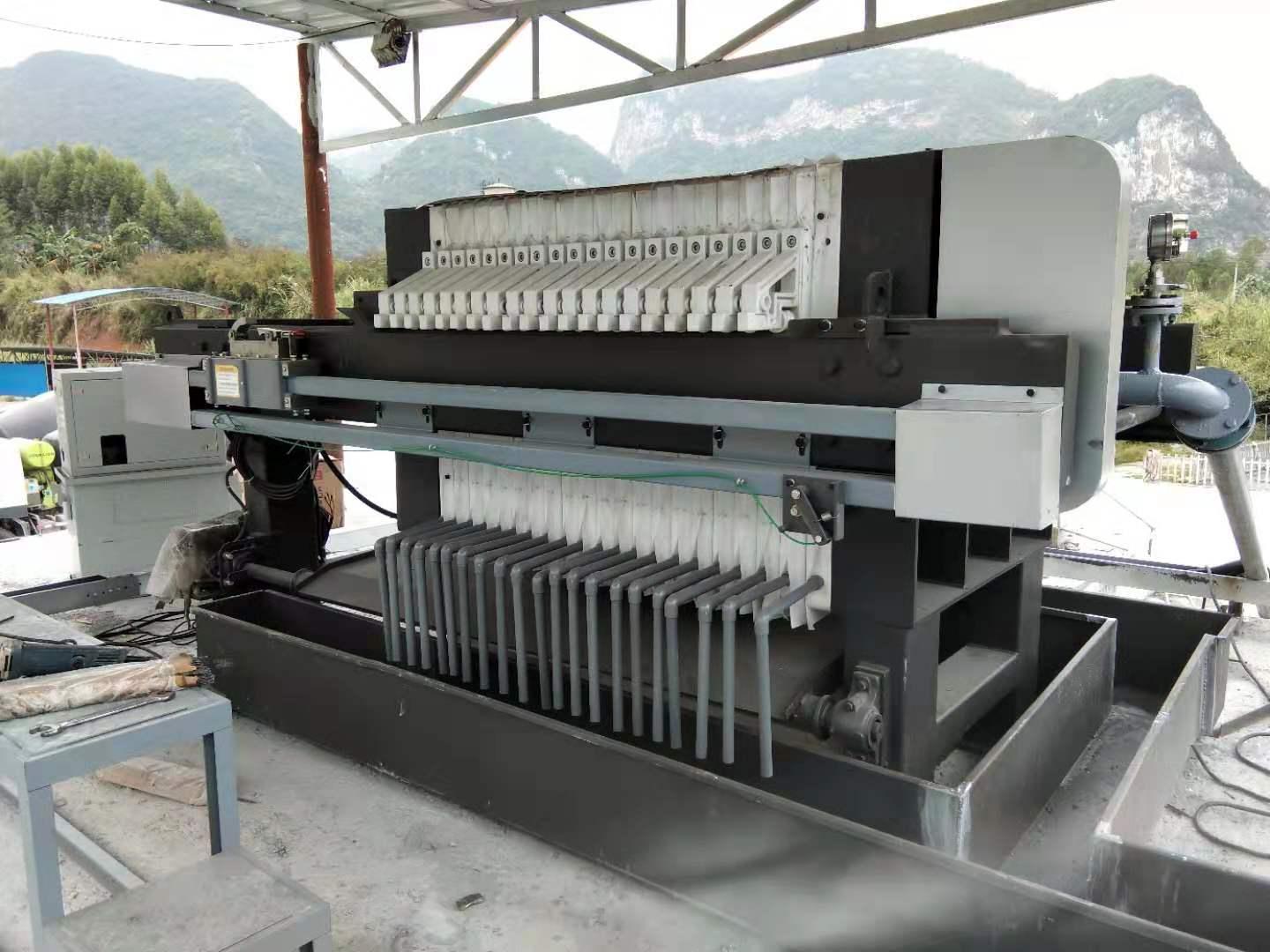
Everyday use puts equipment through a silent endurance test. Frames bear repeated loads, vibrations, and minor impacts that gradually reveal any weakness in design or materials. Instead of overbuilding, our approach focuses on precise stress distribution—reinforcing high-wear connection points and selecting alloys that maintain their integrity through countless cycles. The result is a frame that feels solid from day one and stays that way, without adding unnecessary bulk.
We pay close attention to how operators interact with the machine daily—handling, transport, and accidental bumps. Subtle details like rounded internal corners to reduce stress risers, or welded joints with graduated thickness, make a noticeable difference over time. These aren't flashy features; they're the kind of quiet engineering decisions that prevent small failures from escalating into downtime.
Real-world testing shapes every frame we produce. Prototypes face repetitive strain cycles that mirror years of service, inside environmental chambers that cycle through temperature and humidity extremes. This process highlights weak spots that simulations miss, letting us iterate until the design handles stress gracefully. The goal is simple: a frame you can forget about, because it never reminds you it's there.
Designing Filter Plates for Maximum Dewatering Performance
Getting the most out of a filter press often comes down to how well you’ve designed the plates inside it. The profile and flow path geometry directly influence cake formation and filtrate discharge, making plate selection far more than a commodity decision. A thoughtful approach starts with chamber depth and recess configuration. Deeper chambers can hold more solids but may extend cycle times and risk uneven packing. On the other hand, shallower profiles tend to promote uniform pressure distribution, driving moisture out more effectively. It’s a balancing act where the material’s particle size, compressibility, and the desired final moisture content all play a part.
Drainage surface design also carries significant weight. Pips, grooves, or waffle patterns aren’t just cosmetic—they create channels for filtrate to escape while providing sufficient support to the filter cloth. Overly aggressive textures might damage the cloth or trap solids, while a surface that’s too smooth restricts flow. The trick is matching the pattern to the cloth’s permeability and the slurry’s characteristics. Additionally, feed port placement and size affect flow distribution across the plate. Central or corner feeds each have their merits, but inconsistent slurry distribution often leads to wetter cakes in some areas and blinding in others. Small tweaks here can make a measurable difference in throughput and cake dryness.
Implementing Precision Assembly Techniques to Prevent Leaks
Leak prevention starts with understanding the microscopic gaps that form between mating surfaces. Even the flattest-looking finishes hide tiny valleys and peaks that create pathways for fluids or gases. Precision assembly demands we minimize these irregularities not by brute force, but through controlled surface preparation, exacting torque sequences, and the judicious selection of gaskets or sealants. It’s about respecting the materials—knowing when a soft copper crush washer outperforms a composite gasket, or when a thread-locking compound eliminates micro-leaks that mechanical tightening alone can’t address.
The heart of the technique lies in repeatability. Hand-tightening followed by a calibrated wrench might seem basic, but the sequence matters as much as the final torque value. Cross-torquing a flange progressively in three stages ensures even compression, preventing the warping that invites leaks weeks later. Temperature and humidity also play silent roles: assembling components in uncontrolled environments can lead to condensation contamination or thermal expansion mismatches. Cleanliness is non-negotiable—a single strand of lint under an O-ring can form a capillary channel that defeats a thousand-dollar seal. Skilled assemblers treat every joint as a system, not just a connection.
Verification closes the loop. Beyond pressure tests, precision assembly relies on visual and tactile feedback—the even squeeze-out of sealant, the subtle rotation of a washer as it beds in, the absence of chatter marks on a sealing face. When designs push towards higher pressures or thinner fluids, techniques must evolve: laser-micrometer checks of surface finish, bolt-stretch measurements instead of torque, and real-time acoustic monitoring during tightening. Ultimately, preventing leaks isn’t a single action but a chain of deliberate choices, each reinforcing the integrity of the whole. The best assemblies feel right because they respect physics down to the last micrometer.
Automating Control Systems for Consistent Sludge Processing
Maintaining uniform sludge characteristics has always been a headache in treatment facilities. Manual adjustments based on grab samples often miss the rapid changes in inflow composition, leading to overdosing of chemicals or inconsistent dewatering results. By automating control systems, operators can finally bridge the gap between fluctuating loads and stable process outputs, without constantly standing by the equipment.
At the core of these automated setups is a network of real-time sensors tracking solids concentration, pH, and flow rates. Programmable logic controllers interpret this stream of data and make split-second decisions—ramping up polymer feed when viscosity spikes or tweaking belt press speed as cake moisture creeps up. The result is less guesswork and far fewer manual interventions, which directly cuts down on polymer waste and energy use while keeping the dried sludge within spec all day long.
The true value surfaces over time, as the system learns from historical patterns and becomes better at preempting upsets. Alarms now flag genuine anomalies instead of routine fluctuations, freeing technicians to focus on strategic improvements. This shift from reactive troubleshooting to proactive optimization not only stabilizes the sludge line but also extends the life of thickeners, centrifuges, and thermal drying units by preventing overload events that once slipped under the radar.
Adopting Proactive Inspection Routines to Minimize Downtime
Relying on reactive fixes after a breakdown has already occurred is a costly gamble that many facilities still take. By the time a critical component fails, the repercussions often cascade into unplanned stoppages, rushed part orders, and overtime labor expenses that erode profitability. A shift toward proactive inspection routines transforms maintenance from a frantic scramble into a controlled, predictable process. This means scheduling regular walkthroughs, thermal imaging scans, vibration analysis, and fluid sampling on a calendar basis rather than waiting for symptoms to become obvious. The difference is striking: instead of discovering a worn bearing through an unscheduled shutdown, technicians catch the early signs of wear and replace it during a planned window, keeping production on track.
Effective proactive inspections go beyond simple visual checks. They tap into data trends that reveal how equipment actually performs under real loads over time. For instance, logging the gradual increase in motor amperage or tracking subtle changes in lubricant viscosity can provide a lead time of weeks or even months before a functional failure. This intelligence allows teams to plan interventions during natural lulls in production, align maintenance with supply chain lead times, and avoid the domino effect of emergency repairs disrupting downstream operations. The cultural shift is just as important: operators become the first line of defense when they’re trained to notice and report anomalies like unusual sounds or temperature spikes, feeding a living maintenance schedule that adapts to actual equipment health.
To make the routine stick, organizations often pair inspections with a straightforward digital workflow that removes paperwork bottlenecks. A simple tablet-based checklist that syncs with a centralized asset history eliminates guesswork and ensures no step is skipped. Over time, the historical data builds a rich profile that can predict how long a component truly lasts in that specific environment—information far more reliable than generic manufacturer estimates. When teams trust the data and see fewer midnight call-outs, proactive inspections become a self-reinforcing habit. The ultimate payoff isn’t just minimized downtime; it’s a more stable operation where capacity planning becomes accurate and maintenance budgets stop hemorrhaging on emergency overtime and expedited shipping fees.
FAQ
You have to balance throughput with available space, since chambers are often cramped. Corrosion resistance is huge—sewage is aggressive, so materials and coatings must hold up. Ease of maintenance matters too; access to plates and cloths shouldn't require a contortionist. Hydraulic system sizing needs to match the sludge characteristics, and control integration has to mesh with existing plant automation.
It's make-or-break. Stainless steel or high-grade polypropylene are common for structural parts and plates because they resist chemical attack. Cheaper metals will corrode fast from hydrogen sulfide and acids, leading to leaks and frame failures. Even gaskets and cloths need careful selection—neoprene or EPDM often outperform basic rubber here.
Plate flatness and surface finish are crucial; any warping during machining creates gaps. Welds on the frame and manifold must be flawless and pass pressure tests. During assembly, torque sequences on tie rods need to be uniform to prevent uneven clamping. You also can't skip a full water-pressure trial before shipping.
Misaligned plates mean uneven pressure distribution, which leads to cloth wear, leakage between chambers, and eventually plate breakage. It all comes down to careful rail installation and checking squareness with a laser or dial gauge. A slight offset can cascade into major downtime once the press is in operation.
Always run a hydrostatic test at 1.5 times the design pressure, holding it for a set period while inspecting every joint. Cycle the hydraulic closure several times to verify speed and pressure consistency. If possible, simulate actual sludge with a water-diatomaceous earth mix to check filtrate clarity and cloth performance.
Proper cloth tensioning and regular cleaning cycles are essential—sludge with sharp particles or high grit can tear them prematurely. Using a cloth with the right permeability for the specific sludge type prevents blinding. Automated washing systems help, but operators need to inspect for pinholes frequently and rotate cloths if uneven wear is spotted.
It's less about fancy gadgets and more about reliability. Automated plate shifters speed up cycles and reduce labor, while sensors on pressure and filtrate turbidity allow real-time adjustments. But the control logic must be robust—a sewage plant can't afford nuisance trips. Integration with SCADA is almost standard now, letting operators fine-tune cycles remotely.
Inadequate drainage port sizing is a frequent oversight—undersized ports slow down the cycle and build backpressure. Poorly supported piping can crack from vibration. Skimping on surface treatment in hard-to-reach corners invites crevice corrosion. Even something as simple as not deburring sharp edges on plates can rip cloths during squeezing.
Conclusion
Building a filter press that thrives in the corrosive, abrasive environment of municipal sewage chambers begins with material choices that defy chemical attack and mechanical wear. Polypropylene plates reinforced with fiberglass, stainless steel frames with high molybdenum content, and EPDM gaskets form the backbone of a system built for longevity. Pairing these with a structural frame design that evenly distributes hydraulic load prevents warping and cracking under the rhythmic squeeze of daily cycles. The plate pack itself demands meticulous attention—optimized chamber profiles and drainage surfaces tailored to the sludge’s specific rheology ensure rapid cake formation and clear filtrate. Precision machining of sealing faces and hydraulic clamping keep leaks at bay, safeguarding both operator safety and process efficiency.
Beyond hardware, control logic is woven into the press’s DNA: programmable automation tracks cake thickness, squeezes timing, and wash sequences to maintain consistent dryness without manual tweaking. Sensors monitor pressure and flow in real time, triggering alarms before anomalies cascade into downtime. Yet the smartest fabrication choices mean little without a discipline of proactive care—daily visual checks of seal integrity, weekly plate alignment audits, and periodic ultrasonic thickness gauging of structural members catch wear before failure. This marriage of corrosion-smart engineering, leak-proof assembly, and data-driven operation transforms a simple filter press into an unassuming, resilient workhorse that hums through year after year of municipal sludge processing with minimal intervention.
Contact Us
Contact Person: HaiYan
Email: [email protected]
Tel/WhatsApp: +86 18957325588
Website: https://www.senyoubeton.com/