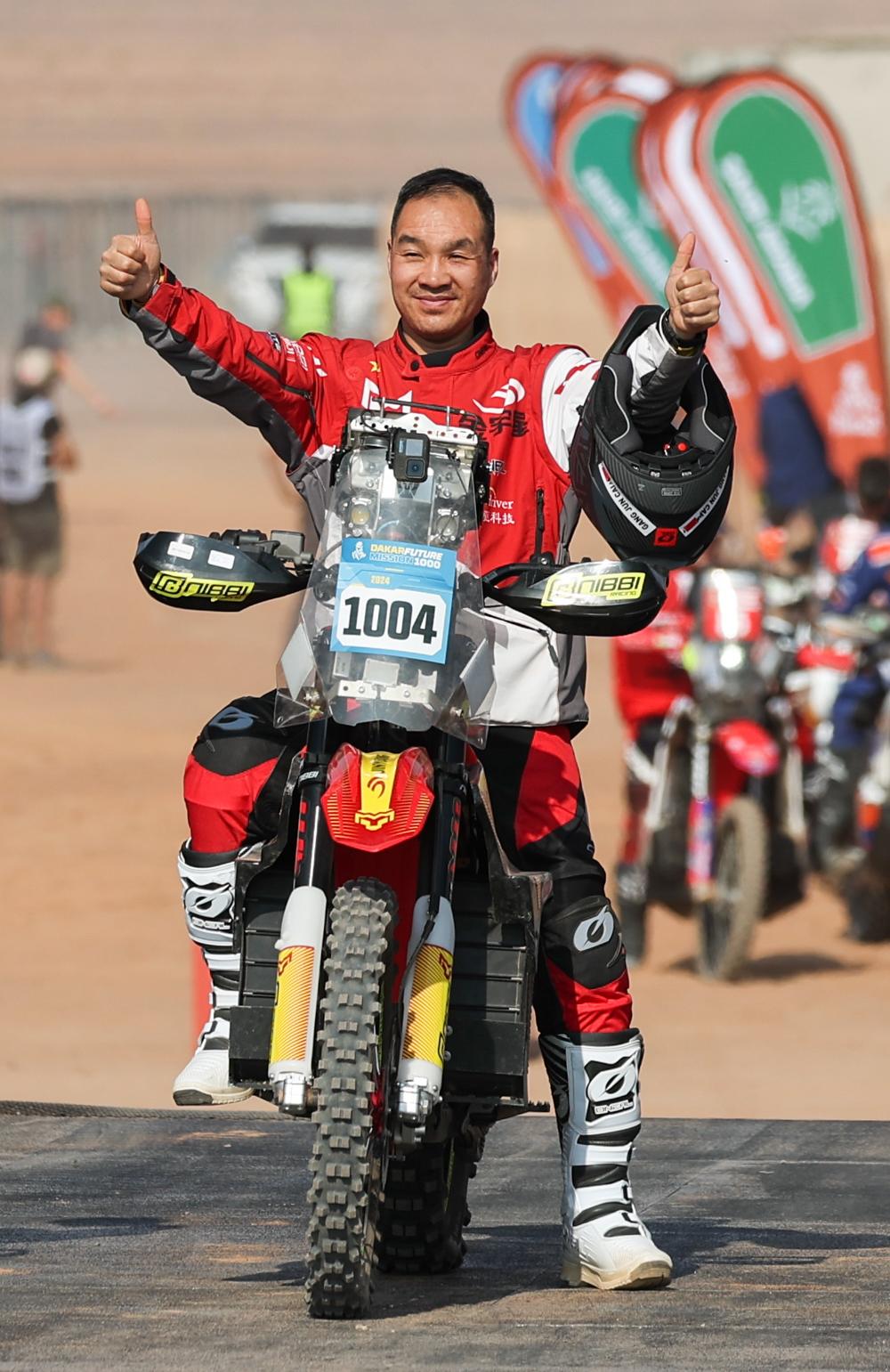

Electric Enduro Bike Maker Redefines Off-Road Riding
2026-10-22
The first time you ride a quiet enduro bike, it feels like someone muted the forest—and then the torque hits. Arctic Leopard builds electric enduro machines that lean into that strange, thrilling contrast. Forget the usual 'eco-friendly' pitch; this is about sharper throttle response, less weight where it matters, and trails that don't end with ringing ears. Here's what happens when battery power meets backcountry grit.
Quiet Power, Loud Reactions on the Trail
The first thing you notice is what you don't hear. No rumble, no rasp, no mechanical bark echoing off the pines. Just the crunch of tires over granite and the wind threading through the sage. Then you crest the ridge and the silence breaks—not from the machine, but from the hikers gawking at the line you just cleaned without a drop of noise.
That's the odd magic of quiet torque on a trail. It sneaks up on the landscape and on people. One moment they're sipping water, the next they're asking how something so hushed can scramble up ledges that leave gas-powered rigs wheezing. The answer is less about horsepower and more about control: instant, measured thrust that lets you crawl over roots, pause on a rock, and ease down the other side like you're placing each wheel by hand.
Reactions follow a pattern. First the double take. Then the grin. Finally the questions. You learn to expect them at every trailhead. And maybe that's the point—not to show off, but to let the quiet do the talking while everyone else tries to find the volume knob.
The Enduro World's Unplugged Evolution
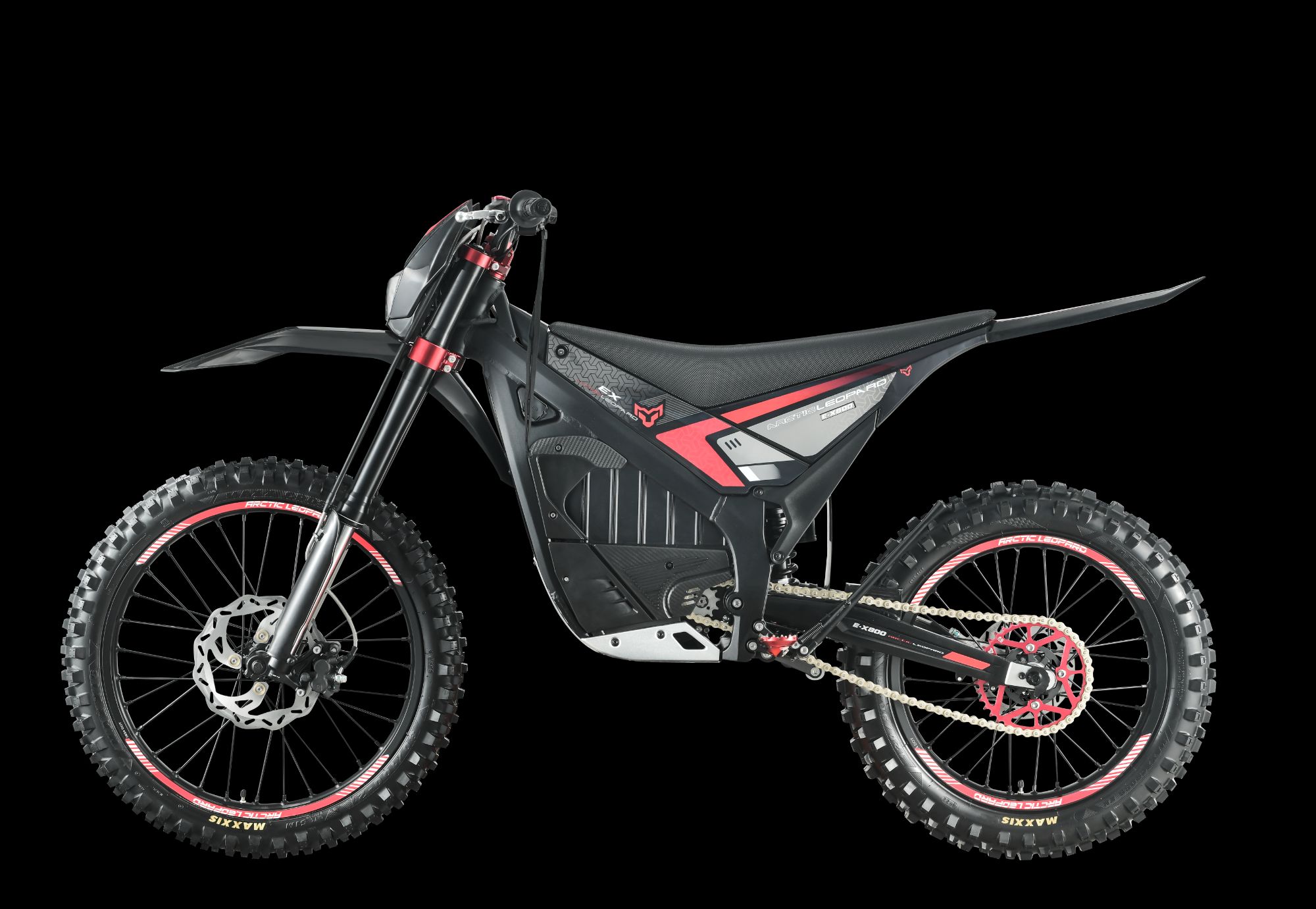
Walk through an enduro paddock today and you'll spot a growing number of bikes with scratched number plates, worn grips, and no USB port in sight. The unplugged evolution isn't about rejecting progress—it's about trimming the wiring loom until the ride talks back through the bars, not a dashboard.
Mechanical simplicity is becoming a competitive edge. Without traction control or ride modes, a rider learns to read soil, roots, and rocks through their left hand. Throttle control stops being a menu setting and becomes muscle memory. That shift has pushed suspension tuners and engine builders back to basics: port timing, jetting, sag, and clickers.
This quieter revolution is spreading beyond privateers. Some factory teams now test detuned ECU maps and minimal sensor packages, chasing a connection their riders lost in a sea of data. The result isn't slower—it's sharper, more honest, and increasingly rare in motorsport.
Battery Packs That Keep Up With Gnar
Gnar's relentless charge through steep, technical terrain demands a battery that refuses to quit mid-line. Standard packs sag under sustained load, leaving you to nurse a dying throttle when you need it most. The packs built for this kind of riding use high-discharge cells with robust thermal management, so voltage stays stable even as the trail gets mean. You feel it in the punch out of corners and the ability to claw up loose rock without a sudden power fade. It's not just capacity on paper—it's how the pack delivers amps when the climb turns into a brawl.
Beyond raw output, a battery that keeps up with Gnar has to survive the abuse. We're talking hard landings, vibration from chattery descents, and the occasional rock strike. That means welded nickel connections instead of flimsy spot welds that crack, a shock-absorbing cell cradle, and a case that doesn't turn into shrapnel after a spill. Real-world testing on rocky, root-infested trails shows these packs shrug off impacts that would send lesser batteries into protection mode. The result is confidence to send it without wondering if your power source will call it quits halfway down.
Finally, the smart details separate a true trail-ready pack from a generic brick. Look for a battery management system that balances cells at the right moments, not just when it's convenient. Water resistance matters too—mud, creek crossings, and rain can creep into unsealed housings and cause corrosion. A pack that keeps up with Gnar is one that you forget about entirely; it just works, ride after ride, letting you focus on the line ahead rather than the battery indicator.
Throttle Response That Feels Almost Unfair
Twist the grip and the bike leaps forward before your brain has time to catch up. There's no lag, no soft spot in the mid-range—just a direct, almost telepathic link between your right hand and the rear tire. It's the kind of response that makes you giggle inside your helmet and immediately look for the next straightaway.
Power builds in a smooth, urgent wave that never feels abrupt or hard to manage. The fuel delivery is so precise you'd swear the engineers tuned it on a race track instead of a dyno. Even at low revs, the engine pulls cleanly, making tight corners and slow-speed maneuvers feel effortless rather than nervous.
Compare it to anything else in the class and the difference is stark. Others feel sleepy or hesitant by comparison, as if they need a moment to think before obeying. This one simply goes—instantly, eagerly, and with a sense of urgency that feels like it's bending the rules in your favor.
Engineering Around the Electric Weight Penalty
Every extra kilogram in an electric vehicle is borrowed from range, braking stability, and tire life. The battery alone often adds 400–600 kg over a comparable combustion car, and that mass sits low but still demands stronger suspension arms, larger brake rotors, and stiffer body shells. The result is a quiet spiral: reinforcing for weight adds more weight.
The cleanest way out is to stop treating the battery as cargo. Modern EV platforms integrate the pack as a stressed structural member, letting its enclosure share bending and torsional loads with the floor. Automakers mix aluminum extrusions, high-strength steel, and strategic carbon composites to shave unsprung mass where it matters most. Some teams go further by casting large rear underbody sections as one piece, eliminating dozens of brackets and welds while improving rigidity.
Weight penalties also reshape the tuning targets. Regenerative braking becomes the first line of deceleration instead of a novelty, which reduces thermal load on friction brakes and allows smaller discs. Tire compounds shift toward low rolling resistance without sacrificing wet grip, and suspension bushings get retuned for the battery's lower center of gravity. None of these fixes erase the mass, but together they make an EV drive smaller than its scale suggests.
Leaving Only Tire Marks, Not Emissions
The roar of a high-performance engine has long defined motorsport, but a new era is rewriting that soundtrack. Today, the most advanced race cars slip past with little more than the whisper of wind and the squeal of tires biting into asphalt. The goal isn't just speed anymore—it's proving that adrenaline and zero tailpipe emissions can share the same lap.
Engineers are pushing battery packs and hydrogen fuel cells to deliver instant torque that rivals traditional combustion monsters. Drivers still feel the G-forces pinning them to their seats, still fight for braking points, still leave rubber on the track. What they don't leave behind is a cloud of exhaust. The only trace of their presence is the fresh line of tire marks pointing toward the next corner.
For fans, the experience remains visceral: the smell of hot brakes, the sight of sparks flying, the tension of a close battle. But now there's a quiet revolution under the bodywork. Every lap becomes a statement that passion for driving need not come at the cost of clean air. The future of racing is about leaving a mark—not on the atmosphere, but on the tarmac.
FAQ
The biggest shift is the power delivery—instant torque from zero RPM means you can crawl over rocks and logs without constantly feathering a clutch. There's no noise, no exhaust heat, and no vibration, which changes how you read the trail and how wildlife reacts. The bike also uses a swappable battery pack, so you're not tethered to a wall outlet for hours.
By removing the clutch lever and gearbox, the bike lets you focus on line choice and body position. The motor's regenerative braking can be tuned to act like engine braking, but you can adjust the strength on the fly. That means on steep descents you can dial in just the right amount of drag without touching the brake levers.
It depends heavily on terrain and riding mode. On flowing singletrack in eco mode, expect around 45 to 60 miles. In hard enduro with constant rock gardens and steep climbs, that number drops to maybe 25 to 35 miles. The swappable battery design helps—you can carry a spare in a backpack and swap it in under a minute.
The frame geometry and suspension are built for hard enduro—think 300mm of travel, a low center of gravity from the battery placement, and skid plates that cover the entire underbelly. Test riders have taken it through Romaniacs-style sections, and the lack of stalling gives it a real edge in technical terrain.
With a standard 220V outlet, a full charge takes about four hours. If you have access to a level 2 EV charger, you can get to 80 percent in under 90 minutes. The battery is also removable, so you can charge it in an apartment or hotel room without hauling the whole bike inside.
Forget oil changes, air filters, valve adjustments, and clutch replacements. The main wear items are the chain, brake pads, tires, and eventually the battery—which is rated for around 1,500 full cycles. The motor itself is sealed and requires zero routine service. That's a huge time and money saver over a season of riding.
The brand is a small outfit out of Northern California, founded by a former motocross mechanic and an EV battery engineer. They spent three years prototyping with local enduro clubs before showing the production model. Their focus is on building a bike for riders who actually race hard enduro, not just commuters who want an electric toy.
Pre-orders open later this year, with first deliveries scheduled for early next spring. The base model is expected to start around $12,500, which puts it above a mid-size gas enduro but below a premium KTM or Husqvarna. A limited first edition with upgraded suspension and extra battery is also planned.
Conclusion
The latest electric enduro platforms are forcing a rethink of what off-road performance actually means. Instead of mimicking gas bikes, the best builders lean into the advantages that electric drive brings to technical terrain. A near-silent motor removes the familiar bark that often spooks riders and wildlife alike, yet the instant torque still draws audible reactions from anyone watching a steep climb get flattened. That quiet punch changes how you read a trail—you hear tire slip, rock strikes, and your own breathing rather than a revving engine, which makes it easier to find grip and pace through loose sections.
Getting the battery to survive hard enduro loops took more than just stuffing cells into a frame. Engineers have shifted mass low and central, using the pack as a stressed member and pairing it with suspension tuned for the extra heft. The result is a bike that hides its weight penalty in slow, technical gnar while delivering throttle response that feels borderline unsporting when the trail opens up. Riders can dial power delivery to match wet roots or hardpack, then ride out with nothing but tire marks behind them. It is an unplugged evolution that finally makes electric enduro feel less like a compromise and more like a genuinely different way to ride.
Contact Us
Contact Person: Jack
Email: [email protected]
Tel/WhatsApp: +86 15657688888
Website: https://www.arctic-leopard.com