

China Flood Gate Technologies: Modern Solutions for Ancient Water Management Challenges
2026-07-27
China's battle with floodwaters is as old as its civilization, but today's solutions look nothing like the ancient levees. Behind the modern flood gates that protect millions lies a quiet revolution in engineering—one that blends precision hydraulics, smart materials, and centuries of water wisdom. At the heart of this shift is THT, a name increasingly synonymous with flood gate technologies that are redefining resilience. Why are engineers from the Yangtze to the Yellow River turning to these systems? And what can the rest of the world learn from China's approach? This blog dives into the mechanics, the philosophy, and the future of keeping water in its place.
From Ancient Dujiangyan to AI-Driven Gates: The Evolution of Flood Control
More than two millennia ago, on the turbulent Min River in China’s Sichuan basin, engineers shaped a solution so elegantly simple that it still humbles modern hydrologists. The Dujiangyan irrigation system never attempted to block the water with a dam; instead, it split the current with a man-made island, carving channels that let floods spill away while steady flows nourished farmlands. The design worked with the river’s own rhythms—using woven bamboo baskets filled with stones to direct the watercourse—and turned a seasonally destructive force into the lifeblood of an entire civilization. It was a quiet revolution built on patient observation, not brute force.
Skip forward to the present, and the core challenge remains eerily familiar: how do you sense the temper of a river before it turns violent? Today’s answer often sits inside nondescript control rooms where arrays of sensors, radar gauges, and satellite feeds stream real-time data about rainfall, soil saturation, and flow rates. Yet the leap from raw numbers to decisive action is where the real shift occurs. Human operators, once entirely reliant on rule-of-thumb experience, now lean on algorithms that can isolate subtle patterns—a sudden upstream spike, an unusual pressure change—far earlier than any pair of eyes ever could. The connection back to Dujiangyan’s adaptive spirit is undeniable, only now the adaptation happens in microseconds.
The most startling advance comes when those algorithms stop just alerting and start acting. AI-driven gates along levees and spillways no longer wait for a centralized command; they adjust themselves based on predictive models that weigh multiple scenarios simultaneously. A gate might crack open fractionally because the system “knows” a tributary will swell in three hours, even if the sky overhead is still clear. This isn’t automation for the sake of it—it’s a quiet dialogue between water and infrastructure, a return to the idea that the best flood control doesn’t fight nature so much as anticipate its next move. From bamboo and stone to code and servos, the journey is less about technology replacing old wisdom than about amplifying it with a new kind of responsiveness.
Smart Hydraulics: How Sensor Networks Predict and Prevent Catastrophes
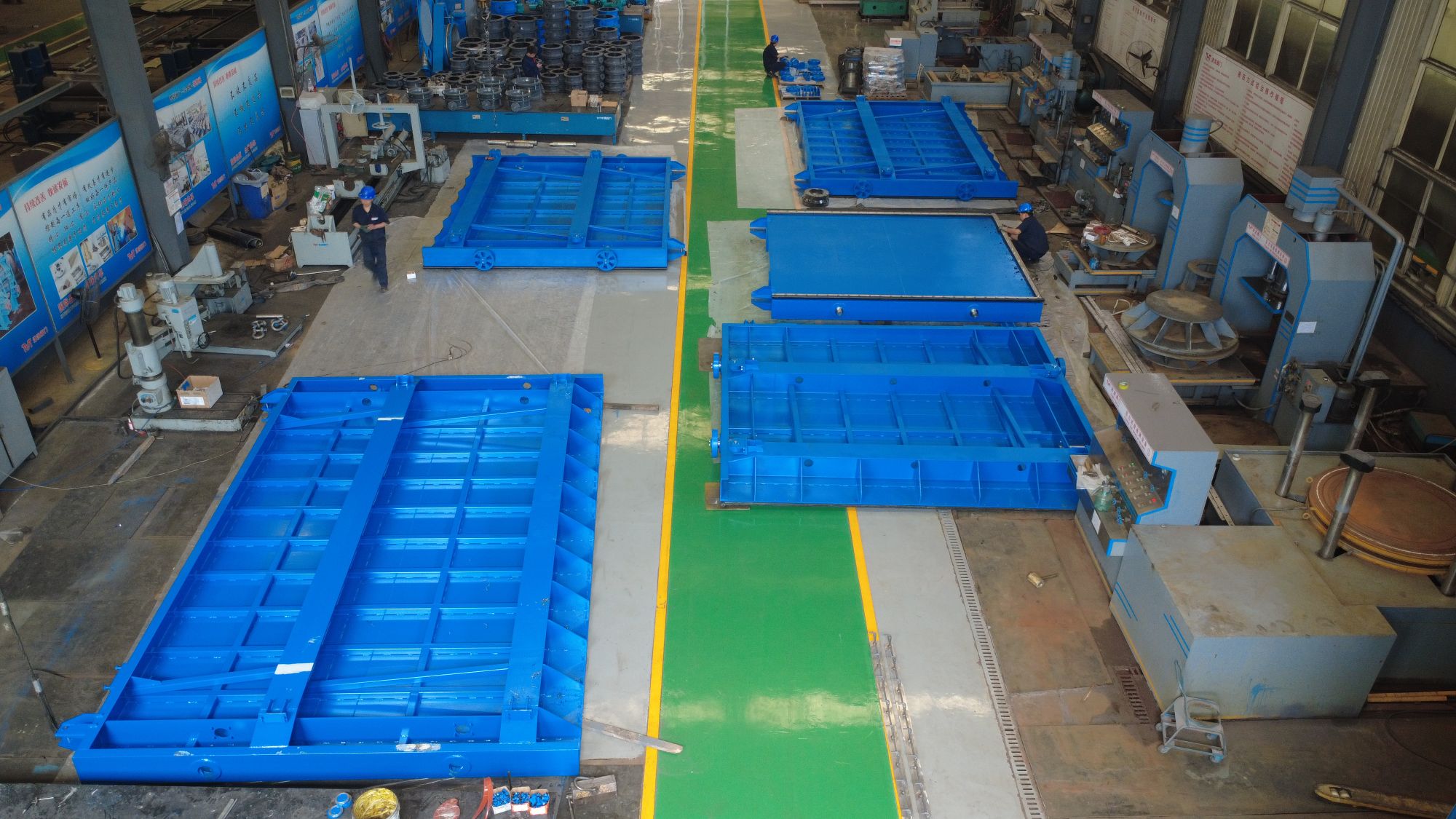
In modern hydraulic systems, a silent network of sensors is constantly at work, measuring pressure, flow, temperature, and vibration in real time. These aren't just passive data loggers—they actively interpret subtle changes that human operators might miss. For instance, a slight uptick in pump vibration combined with a gradual temperature rise could signal bearing wear, long before any visible leak or drop in performance appears.
By feeding this continuous stream of data into predictive models, the system learns what normal operation looks like and flags anomalies instantly. It doesn't simply set static thresholds; it recognizes patterns that have historically led to failures. When a deviation is detected, alerts are sent to maintenance teams with specific guidance—such as inspecting a particular valve seal or adjusting a proportional valve's response curve—turning potential catastrophes into routine fixes.
The real power lies in prevention. In critical applications like dam gate controls or offshore drilling, a sensor network can automatically trigger fail-safe protocols: reducing load, rerouting fluid, or initiating an orderly shutdown. This isn't about replacing human judgment but extending it, giving engineers a trustworthy early-warning system that works around the clock, often catching problems weeks before they would have escalated into dangerous failures.
Eco-Engineering: Balancing Water Flow with Aquatic Life Preservation
Designing waterways that serve human needs while safeguarding aquatic ecosystems demands a nuanced approach. Traditional engineering often prioritizes flood control or energy generation, inadvertently disrupting fish migration and altering natural sediment flows. Modern eco-engineering seeks to harmonize these tensions by mimicking nature’s rhythms—incorporating fish ladders that mirror natural rapids, restoring floodplains to absorb surges, and calibrating dam discharges to sustain downstream habitats. The goal is not to halt progress but to weave ecological intelligence into every blueprint.
At the heart of this balance lies adaptive management: continuous monitoring and adjustment based on real-time ecological feedback. For instance, adjustable weirs can be raised or lowered to maintain critical water depths for spawning species, while variable-speed turbines reduce fish entrainment. Such systems treat rivers as living entities rather than static conduits, acknowledging that thriving aquatic life is not a constraint but an indicator of long-term resilience.
Success stories are emerging worldwide. In Europe, the “Room for the River” program redesigned flood defenses to create wetlands that purify water and shelter juvenile fish. Similarly, retrofitted culverts now allow free passage for eels and lampreys, reconnecting fragmented habitats. These projects demonstrate that when we align engineering with ecological processes, we forge solutions that endure—protecting communities from floods while letting rivers pulse with life.
Modular Gate Systems: Rapid Deployment in Unpredictable Flood Zones
When floodwaters rise without warning, the speed of response can mean the difference between protection and devastation. Modular gate systems are engineered precisely for such high-stakes moments—light enough to be transported by a small team, yet robust enough to hold back surging water. Their interlocking panels can be assembled on-site in a fraction of the time required by traditional sandbags or permanent barriers, turning any vulnerable entry point into a fortified defense within minutes.
Unlike one-size-fits-all solutions, these systems adapt to the landscape rather than forcing the landscape to adapt to them. Components can be mixed, angled, and stacked to seal irregular openings, bridge uneven terrain, or create temporary levees that follow the natural contours of the land. This flexibility is critical in flood zones where conditions change by the hour, and pre-installed infrastructure is either absent or overwhelmed.
Reliability comes not just from the engineering but from the simplicity of deployment. With no heavy machinery required and intuitive connection points that lock into place under their own weight, even minimally trained crews can establish a secure perimeter. The materials—often corrosion-resistant alloys or high-density composites—withstand repeated exposure to debris-laden water without warping or weakening, ensuring that when the next storm hits, the same system is ready to perform again without a hitch.
The Silent Guardians: Underground Flood Storage and Release Mechanisms
Beneath bustling city streets and quiet neighborhoods, a hidden network works tirelessly to manage stormwater surges. These subterranean structures, often vast concrete chambers or repurposed natural aquifers, silently capture runoff before it can overwhelm drains and waterways. By holding back the flow during intense rainfall, they transform a potentially destructive torrent into a controlled, gradual release that urban drainage systems can handle.
The elegance of this approach lies in its simplicity: rather than fighting the water, it yields space, then lets it go when the pressure subsides. Sophisticated valves and monitoring equipment ensure that the release is synchronized with downstream capacity, preventing erosion and downstream flooding. In some designs, the stored water is even filtered naturally through soil layers, replenishing groundwater supplies and reducing the load on treatment plants.
What makes these guardians truly remarkable is their invisibility. Parks, parking lots, and buildings above show no sign of the massive voids below, yet they shield communities from the chaos of climate-driven deluges. As cities grow denser and storms grow fiercer, these underground buffers become ever more critical—a quiet, resilient answer to an increasingly unpredictable sky.
Case in Point: Yellow River Basin’s Resilient Infrastructure Overhaul
For decades, the Yellow River basin has swung between devastating floods and crippling droughts, a rhythm that exposed the fragility of aging levees, outdated drainage networks, and overburdened reservoirs. Flash floods would tear through silt-choked channels, while prolonged dry spells left millions scrambling for water. The conventional response—higher walls and deeper dredging—proved both costly and short-lived. What shifted the conversation was a radical rethink: rather than battling the river’s volatility, infrastructure had to learn to absorb and adapt. That insight sparked a basin-wide overhaul, turning rigid control into a living system of resilience.
The transformation folded together ecology and engineering in ways that felt almost counterintuitive at first. Instead of concrete channels slicing through floodplains, new “sponge city” zones in cities like Zhengzhou and Jinan let stormwater seep into revived wetlands, parks, and porous pavements. Upstream, terraced check dams were retrofitted with natural vegetation buffers, slowing runoff while recharging groundwater. A constellation of smart sensors now stitches the entire basin into a responsive network—adjusting reservoir releases based on real-time soil moisture and rainfall forecasts, not fixed seasonal gauges. These moves slashed urban inundation risks and, just as critically, gave farmers a more predictable water supply during the dry months.
What marks this overhaul as distinct is the deliberate weaving of local knowledge into the technical blueprint. Riverbank villages, long treated as passive recipients of top-down flood control, helped shape the placement of retention ponds and early-warning triggers. The result feels less like a grand engineering monument and more like a basin breathing with its landscape again. Years into the shift, the Yellow River’s volatility hasn’t vanished, but the damage it inflicts has softened dramatically—an outcome that many other flood-prone regions are now studying with keen interest.
FAQ
Flood gates are adjustable barriers installed in rivers, canals, or coastal areas to control water flow and prevent flooding. They operate by opening or closing gates to regulate water levels, often using hydraulic or mechanical systems, and play a critical role in protecting communities and infrastructure from extreme weather events.
China draws on millennia of hydraulic engineering experience, such as the Dujiangyan irrigation system, and enhances it with advanced sensors, automated control systems, and real-time data analytics. This fusion allows for precise, responsive flood gate operations that honor traditional wisdom while addressing contemporary climate challenges.
Innovations include AI-driven predictive modeling for water discharge, corrosion-resistant materials for longevity, and remotely operated gates that can be activated during emergencies. Some systems also use solar power and satellite communication to function in remote areas without reliable grid connectivity.
The Three Gorges Dam flood discharge system is a prominent example. Its massive sluice gates, combined with sophisticated monitoring networks, effectively manage the Yangtze River's seasonal surges, significantly reducing downstream flood risks since its completion.
Modern flood gates provide real-time adaptability to unpredictable weather patterns, unlike static ancient levees. They mitigate urban flooding in rapidly expanding cities, handle higher water volumes from extreme rainfall, and minimize ecological disruption by mimicking natural flow regimes when needed.
Beyond safeguarding lives and property, these systems support irrigation stability, maintain navigable waterways for commerce, and protect wetlands. Reliable flood control also attracts investment and tourism, fostering long-term economic resilience in flood-prone regions.
Conclusion
China’s long battle against flooding has given rise to a unique fusion of ancient wisdom and cutting-edge engineering. The journey from the 2,000-year-old Dujiangyan irrigation system—which still tames the Min River without a single dam—to today’s AI-driven gate networks reflects a deep understanding that rigid barriers alone cannot conquer water. Modern flood gates across the country now integrate smart hydraulics, using dense sensor networks to monitor water levels, flow velocity, and rainfall in real time. These systems don’t just react; they predict. By feeding data into machine learning models, gates can anticipate surges and adjust openings preemptively, preventing catastrophes before they unfold. Equally important is the shift toward eco-engineering: designs now incorporate fish passages and maintain sediment transport to preserve aquatic life, proving that flood control need not come at the expense of ecosystems.
Practicality is also key. In regions prone to sudden flash floods, modular gate systems offer a game-changing solution—they can be rapidly assembled and deployed where permanent structures are impractical. Meanwhile, beneath cities like Shanghai, vast underground storage tunnels and release mechanisms act as silent guardians, storing excess stormwater and releasing it slowly after the danger passes. The overhaul of the Yellow River Basin’s infrastructure stands as a powerful case: once plagued by catastrophic levee failures, it now employs a resilient network of smart gates, wetlands restoration, and sediment management. This multi-layered strategy is not just about controlling water—it’s about living with it, a philosophy that has defined Chinese water management for centuries and is now being reimagined for a climate-uncertain future.
Contact Us
Contact Person: Su Zhang
Email: [email protected]
Tel/WhatsApp: +86-25219206
Website: https://www.tht-valve.com/