

Bulk Calcium Chloride 94% Prills: How They Improve Winter Maintenance
2026-10-29
When icy roads and freezing temperatures threaten safety and schedules, choosing the right de-icing material can make all the difference. Bulk calcium chloride 94% prills stand out as a powerful solution for winter maintenance, but not all suppliers deliver the same reliability. That’s where Shouguang Golden Chemical comes in — offering high-purity prills that work faster and last longer in extreme cold. Ever wondered why some road crews stay ahead of the storm while others struggle? The secret often lies in the quality and form of the calcium chloride they use. Read on to discover how these small, uniform prills can transform your winter operations from reactive to proactive.
The Exothermic Edge That Works Below Zero
The real trick to keeping things moving at twenty below isn't insulation alone. An exothermic reaction flips the script by producing warmth at the point of use, so the surrounding cold becomes less of a threat. That internal heat generation keeps the material pliable, the adhesive bond forming, or the sensor active long after passive systems have stiffened into brittle silence.
Take cold-weather construction or winter rescue gear. A two-part epoxy that kicks off an exothermic cure doesn't wait for ambient warmth to help it along—it creates its own. The same principle shows up in self-heating gloves, de-icing coatings, and battery packs designed for polar expeditions. Because the heat is generated from within, you aren't fighting the environment; you're overriding it.
That edge matters most when specs demand zero-failure behavior in subzero extremes. Endothermic or temperature-neutral alternatives often plateau once the mercury dips, but an exothermic system keeps delivering because its energy source is chemical, not climatic. The cold may slow the initial reaction slightly, but the self-generated heat quickly compensates, holding the process at a functional temperature.
94% Prills Mean Fewer Fines and Better Flow
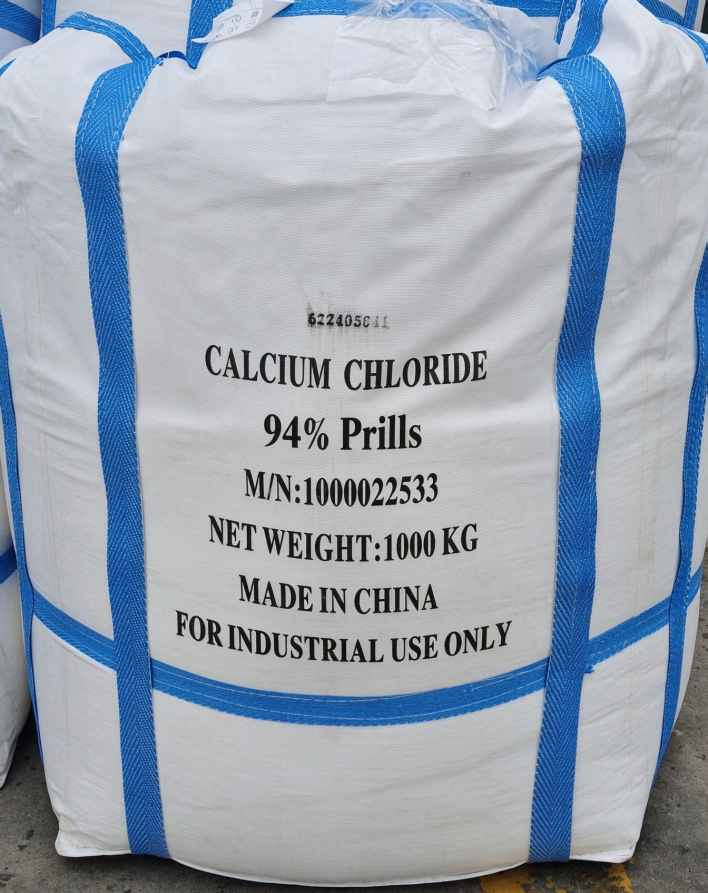
The 94% prill specification directly addresses one of the most persistent handling headaches in bulk solids: dust generation from broken or undersized particles. With fewer fines, you see less product loss during transfer, reduced cleanup around loading stations, and a noticeably cleaner working environment. This isn't just about tidiness—it's about keeping material where it belongs, from silo to spreader.
Better flow starts with uniform prill geometry. When the majority of particles share a similar size and shape, they don't interlock or bridge the way irregular fines do. The result is consistent discharge rates from hoppers, fewer hang-ups in augers, and more predictable metering. Operators notice the difference immediately: the product moves like it should, without constant poking or vibration.
Put simply, that 94% threshold is a quality marker that shows up in real-world performance. It means less dust, smoother handling, and fewer interruptions—whether you're blending, bagging, or applying in the field. For anyone who has fought with dusty, sluggish prills, the difference is obvious from the first load.
Calibrating Spreaders for Round Beads Not Flakes
Round beads flow like dry sand—they don't interlock or bridge the way flakes do, so the same spreader settings will usually dump too much material. Start with the hopper gate roughly a third to half as wide as you'd use for flakes, then run a 20-foot test pass over a tarp. Scoop and weigh several one-square-foot samples to see if you're hitting the target rate before making finer tweaks.
Spinner speed affects round beads more than flakes because the beads roll and bounce instead of fluttering. If the pattern is heavy in the center, the disc is turning too slowly; if it's light around the edges or bouncing off the test area, back off the RPM. Check the deflector angle and the left-right balance separately—small changes in chute direction can cause a heavy stripe on one side.
After the first adjustment, run another short pass and measure again. Bead size, coating, and even humidity can change how far they roll, so settings that work for one batch may need a slight nudge for the next. Write down the final gate opening, RPM, and deflector position once the pattern looks even; it'll save time when you return to the same product.
Let Calcium Chloride Do the Heavy Lifting in Salt Blends
Calcium chloride doesn't wait around for warmer pavement. Unlike standard rock salt, which stalls when temperatures drop below 15°F, this hygroscopic workhorse pulls moisture from the air and kicks off an exothermic reaction that melts ice fast—even down to -25°F. Blending it into your salt mix means fewer bare spots after a cold snap and less re-application when the wind picks up.
The real advantage comes from how it attacks hard-packed snow and black ice. Regular salt relies on traffic to grind it down, but calcium chloride bores through the frozen layer on contact, breaking the bond between ice and asphalt. That's why you see it in premium blends marketed for parking lots, walkways, and loading docks—anywhere a slip means more than just a shiver.
A little goes a long way, too. A 20% calcium chloride blend can outperform pure halite while cutting overall product use by nearly a third. It also leaves less white residue on floors and carpets, which building managers notice immediately. If your current mix struggles in real winter conditions, let the calcium chloride do the work it was made for.
Managing a Moisture Magnet in Storage
Storing a moisture magnet isn’t just about tossing it in a bin. Left unsealed, it can pull in enough humidity to turn a tightly packed shelf into a damp, musty corner. I’ve found that a double-layer approach works best: place the unit inside a heavy zip-top bag, press out the excess air, then drop that bag into a rigid container with a snap lid. If the magnet has already been used, let it rest on a dry towel for a few hours first—otherwise you’re locking residual moisture inside.
Check the storage area itself. Concrete floors and exterior walls are notorious for sweating during temperature swings. A simple foam mat or wooden pallet underneath the container creates a thermal break and keeps the bottom from absorbing ground dampness. For longer stretches, tuck a small humidity indicator card next to the magnet. When the card starts shifting toward the blue or pink zone, it’s time to rotate in a fresh one and recharge the saturated magnet in a well-ventilated space.
One overlooked detail is labeling. After a few months, every white pouch and canister looks the same. Mark the date of first use and the recharge count with a grease pencil. That way you’ll know if a particular magnet is losing capacity faster than expected—a sign the storage environment has changed or the material is nearing the end of its useful life.
Less Chloride on the Road Means Less Long-Term Damage
Every winter, chloride-based deicers quietly eat away at concrete, steel, and asphalt. The freeze-thaw cycle pulls salty water into tiny pores, where it crystallizes and expands, slowly fracturing pavement and corroding rebar. Over a few seasons, this surface damage turns into potholes, spalling, and weakened bridge decks. Cutting back on chloride doesn’t just save the immediate surface—it slows the hidden deterioration that leads to expensive structural repairs.
Beyond the pavement itself, chloride migrates into roadside soil and groundwater, stressing vegetation and degrading water quality long after the ice melts. It also accelerates rust on vehicles, railings, and utility lines. Using less chloride, whether through better application rates, pre-wetting, or alternative materials, reduces that cumulative toll. The less salt that enters the system, the fewer long-term liabilities communities carry years down the road.
FAQ
The high concentration means less product is needed to generate the same melting effect compared to lower-purity options. Prill form also resists caking and spreads evenly, which cuts down on clogged equipment and uneven coverage.
Prills tend to embed slightly into the ice rather than bouncing or blowing away, and their uniform size allows for predictable spread patterns. Once they contact moisture, the exothermic reaction starts quickly, breaking the bond between ice and pavement.
Calcium chloride works well below the practical limit of rock salt, often down to around -25°F (-32°C). The 94% purity helps ensure there are fewer inactive impurities, so more of the applied material contributes directly to ice melting.
Calcium chloride is generally less damaging to concrete than sodium chloride when applied at recommended rates, but overuse can still harm vegetation and corrode metal. The key is calibration and avoiding excessive buildup near drains or landscaped areas.
It blends well with sand or salt to improve low-temperature performance or provide traction. Some crews use it as a pre-wetting agent or mix it with salt to extend the effective temperature range and speed up initial melting.
Because calcium chloride absorbs moisture aggressively, bulk storage must be in sealed or covered bins with good drainage. Workers should use gloves and eye protection, as the material can irritate skin and draw moisture from the air.
Calcium chloride begins melting ice faster because it releases heat when it dissolves and attracts moisture from the surroundings, which lets it form brine even in dry cold. Rock salt often needs sunlight or traffic friction to become effective.
Lower-purity calcium chloride may contain more water or inert material, so you pay to haul and spread filler. Higher purity means each ton delivers more active de-icer, reducing the total tonnage required and lowering handling time over a season.
Conclusion
Bulk calcium chloride 94% prills bring a distinct advantage to winter road maintenance because their exothermic reaction generates heat even when temperatures plummet well below zero, melting ice faster than traditional rock salt. Unlike flake products that break down into dust during handling, these round beads hold together, which means fewer fines and a more consistent particle size. That consistency pays off at the spreader: equipment calibrated for spherical prills throws a more even pattern with less clogging, so you get the right amount of material on the pavement without over-application. Operators who switch from flakes often notice the difference immediately in how smoothly the hopper feeds and how predictable the spread width becomes.
When blended with salt, calcium chloride prills do the heavy lifting by lowering the working temperature of the mix and accelerating brine formation, so a smaller amount of total product clears the same area. Because the material is hygroscopic, it will pull moisture from the air if left uncovered, so a dry, covered storage area is non-negotiable. That same moisture-attracting behavior, however, helps keep roads wet longer and reduces the need for repeated passes. Over the course of a season, using a 94% prill product can cut total chloride loading on the road, which translates to less corrosion on vehicles, less damage to concrete, and a lighter impact on nearby soils and waterways. That long-term benefit is often overlooked but matters to municipalities watching their infrastructure budgets.
Contact Us
Contact Person: Tom Cui
Email: [email protected]
Tel/WhatsApp: +8618663670626
Website: https://www.jinjigoldenchem.com