
Best Safety Kit Company Delivers Dependable Emergency Gear for Families and Teams
2026-08-31
Think about the last time you really needed a first aid kit—was everything in one place, or did you have to dig through clutter? Most families and teams aren't as prepared as they think. That's where Kebon steps in. As the best safety kit company, Kebon delivers dependable emergency gear that's built for real-world chaos, not just a checklist. Here's why their kits are becoming the go-to choice for households and groups who refuse to leave safety to chance.
What Sets Their Emergency Kits Apart From the Usual Options
You won’t find a one-size-fits-all pouch stuffed with cheap bandages and a flimsy flashlight here. Their kits are built around real scenarios, from multi-day power outages to roadside breakdowns far from help. Each item earns its place—no filler, no trinkets that break on first use.
What truly separates them is the attention to detail in the less glamorous stuff: medical supplies that go beyond basic cuts and scrapes, tools that don’t require a YouTube tutorial to operate, and food that actually tastes like something you’d want to eat when you’re already stressed. The water storage alone is leagues ahead, with reinforced bladders and filtration that doesn’t clog after a few liters.
Even the bag itself feels different—heavy-duty zippers that won’t snag, compartments that stay organized when you’re rummaging in the dark, and a layout that lets you grab the most critical items without unpacking everything else. That kind of engineering rarely shows up in a mass-market emergency kit.
Family-Sized Kits That Cover More Than Just the Basics
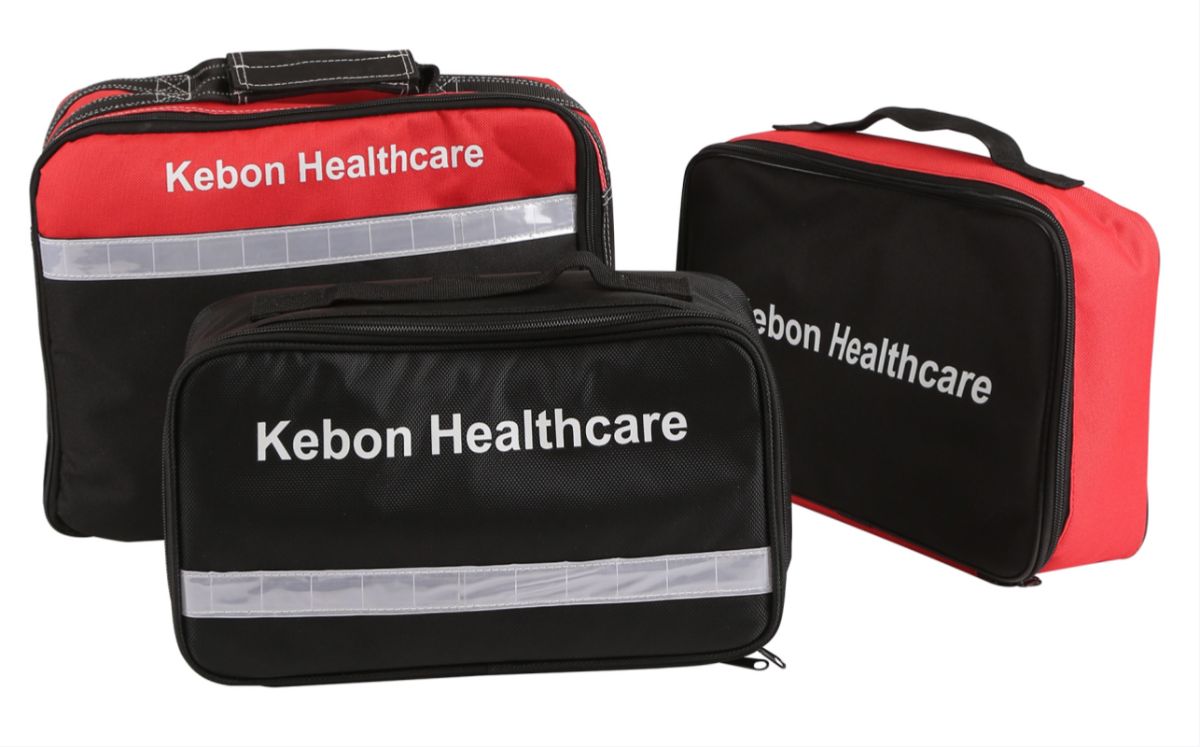
Most family kits stop at bandages, a flashlight, and maybe a few granola bars. This one goes further, with items grouped by actual household routines—like a dedicated pouch for kids' comfort items (think small fidget toys, teething gel, or a foldable coloring sheet) and a separate waterproof sleeve for copies of insurance cards, prescription lists, and emergency contacts. It's the kind of thinking that turns a generic box into something your family can actually use on a rough day.
Instead of tossing in one-size-fits-all tools, the kit includes adjustable options: a multi-tool with a child-safe lock, a hand-crank radio that doubles as a nightlight, and calorie-dense snacks chosen for common dietary restrictions rather than just shelf life. There's even a small deck of conversation cards tucked behind the first-aid module—not for entertainment alone, but to keep everyone calm and occupied during long waits.
The real difference shows in the organization. Every item sits in a labeled mesh pocket, so you don't have to dump everything out to find a thermometer at 2 a.m. Refill checklists are printed on the inside flap, and the outer material wipes clean instead of soaking up spills. It's built for families who've learned that a kit only works if you can find what you need before the situation gets worse.
Team Gear Built for Real-World Field Conditions
You won't find fragile zippers or thin fabric here. Every seam, buckle, and strap on our team gear is tested against mud, rain, and rough terrain. The outer shell repels water without trapping sweat, while reinforced knees and elbows take the abuse so your focus stays on the mission, not your clothing.
Pockets are placed where your hands naturally fall, not where a designer imagined them. The chest rig holds radios and maps without bouncing, and the waistband cinches with one hand while the other keeps your balance. After six months of daily patrols, the only visible wear is scuff marks that prove it's been used as intended.
We skipped the shiny logos and tactical clichés. Instead, you get quiet zippers, matte finishes, and a fit that lets you climb, crouch, or sprint without pinching. Our field testers came back asking for more of the same - so we made extra sets exactly like the first batch.
The Quiet Details That Make Gear Easier to Use in a Crisis
In a real emergency, hands are often cold, wet, or shaking from adrenaline. The small knurling, grooves, and non-slip textures on gear may look like decoration, but when you need a knife, a flashlight, or a buckle to stay put, they become the only thing you can rely on. Many designers add deeper finger grooves or subtle ridges so your palm finds the right orientation without looking.
One-handed operation is another quiet detail. Zipper pulls that are too small or too smooth are hard to grip with gloves or muddy hands; buttons and buckles placed too close together invite mistakes when you are tense. Good crisis gear deliberately makes key controls a bit 'clunkier' — larger pull tabs, springy cord ends, or switches with a noticeable detent. That way, even in the dark or with limited movement, muscle memory does the work.
Some details involve sound and color. Hook-and-loop fasteners that rip too loudly can give away a position in a quiet moment, so some gear uses magnetic closures or silent snaps instead. Color coding is not always about looks; it helps you quickly tell which strap to pull or which pouch holds medical supplies when everything is chaotic. These changes rarely show up on a spec sheet, but they decide whether gear helps you in a critical moment or adds to the problem.
How Their Packing Choices Reduce Panic When Every Second Counts
The bags are always packed as if leaving tonight, not eventually. That means each family member has a single backpack kept in the same corner of the hallway, with nothing removed for daily use. The top pocket holds only identification and emergency contacts, sealed in a clear sleeve that can be grabbed in one motion. By assigning one item to one place, the packing removes the need to search when adrenaline is already making the hands clumsy. The backpack's weight is tested every few months, not to optimize it, but to make sure a tired adult or a small child can carry it down two flights of stairs without dropping it.
Inside, choices favor speed over neatness. Belongings are packed in the order they'd be needed: a loud whistle clipped to the shoulder strap, a flashlight in the outer mesh, food bars under the main flap, and clothes at the bottom. Nothing is wrapped in plastic because unwrapping takes time. The family keeps a small drawer under the backpack hooks with pre-charged power banks, a spare house key, and a roll of duct tape, so the final seconds before leaving are spent grabbing extras, not arguing about what to pack. These are not survivalist extremes; they're just small repetitions that turn panic into a set of reachable movements.
Dependability You Can Check Before You Ever Need It
Most people only learn whether a product holds up after it’s already failed them. By then, downtime has cost money, trust, and time. A different approach flips that timeline: instead of waiting for breakage, you look at the evidence available today. What’s the failure rate from real-world deployments? How transparent is the manufacturer about test results, component sourcing, and long-term wear data? These aren’t hidden metrics—they’re things a serious provider publishes voluntarily, letting you compare options with actual numbers rather than marketing promises.
For instance, some equipment makers now offer a live reliability dashboard that tracks every unit in the field, showing temperature, vibration, and error logs minute by minute. Before you ever sign a purchase order, you can see how similar machines performed under heavy load for nine months straight. That kind of pre-purchase visibility changes the conversation from “trust us” to “here’s the record.” You don’t need a crystal ball to know what will happen on your floor; you just need a vendor willing to show the data before you ask.
FAQ
The gear isn't just thrown together. Each family kit includes long-shelf-life water, calorie-dense food bars, a hand-crank flashlight with a USB port, and a first-aid module that's actually organized by injury type. Parents appreciate that the instructions are clear enough for a teenager to follow in a stressful moment.
Teams can order stackable group modules that split responsibilities—one person handles medical supplies, another manages shelter, another handles communication. The labels are color-coded, so during a drill or real event nobody wastes time digging through identical pouches.
Every batch gets a 27-point inspection before shipping. The company drop-tests the cases, freezes and heats the water pouches, and checks that every flashlight crank works for at least 10,000 rotations. If a batch fails, it doesn't go out.
Yes, the family kit fits under a standard bed or in a car trunk without taking over the space. The outer bag is water-resistant and has reinforced handles, so you can grab it one-handed if you need to leave fast.
You can build from a two-person base up to a 50-person site kit. The company helps you figure out how many water pouches and food bars you need for your headcount, and you're not locked into unnecessary extras.
Most food and water components last five years, and the first-aid items have a printed expiration date on each pouch. The company sends a reminder email when your kit's refresh window opens, but you can also check the date sticker inside the lid.
Each kit includes a waterproof quick-start card, and the company has short video walkthroughs for things like setting up the emergency shelter or using the radio. It's not just a box of stuff—you actually know what to do with it.
Conclusion
Most emergency kits feel like an afterthought—generic boxes stuffed with bandages and a flashlight. This company takes a different route. Their family-sized kits are built around how households actually operate, with extra water, pediatric doses, pet supplies, sanitation items, and a few comfort objects that matter when kids are scared. What stands out first is the quiet organization: color-coded pouches, plain-language instructions, and a layout that puts the most critical items at the top. You won't have to dump everything onto the floor to find a pressure bandage. Those small choices mean a parent with shaking hands can still grab the right thing in the dark.
For teams and field crews, the gear is made for rough conditions—water-resistant shells, reinforced zippers, and compartments that stay shut when tossed into a truck bed. Packing choices are deliberate: tear-away seals, glow-in-the-dark tabs, and checklists printed directly on the bag so nobody has to remember what goes where. Before a kit ever ships, it goes through batch testing and dated inspection cycles that you can verify yourself. That transparency is rare. Whether it's a family sheltering in place or a crew working a disaster zone, the result is the same: less fumbling, fewer mistakes, and a lot more confidence when every second counts.
Contact Us
Contact Person: Andy Yu
Email: [email protected]
Tel/WhatsApp: +86 19858933676
Website: https://www.kebonfirstaid.com