

Aseptic Pasta Sauce: Unlock Long-Lasting Freshness and Flavor
2026-11-01
That half-empty jar of pasta sauce sitting in your fridge? It’s losing flavor by the hour. Aseptic processing changes the game—locking in fresh, slow-cooked taste for months without preservatives or refrigeration. HONGBURG FLAVORMAKER is leading this quiet kitchen revolution, and it’s about to make your weeknight dinners a whole lot brighter.
The No-Fridge Secret Behind That Just-Opened Aroma
That burst of scent when you first crack open a bag of coffee or a jar of spices isn't just freshness—it's chemistry. Cold storage might seem like a safe bet, but the moisture and temperature swings in a fridge can actually break down the volatile compounds responsible for those vivid aromas. Kept at room temperature in a sealed container, those same compounds stay intact longer, so the moment you open it, the full fragrance rushes out instead of a dull, muted echo.
The real trick is understanding what cold air does to porous ingredients. Coffee beans, dried chilies, and loose-leaf tea all absorb humidity and ambient odors, which means a few days in the fridge can flatten their character. By skipping the chill and storing them in a dark, dry spot, you let the natural oils and esters remain concentrated near the surface. That's why the first sniff after cracking the seal feels so much more alive—it hasn't been slowly stripped away by condensation and stale refrigerator air.
The next time you're tempted to tuck something fragrant into the fridge door, ask yourself if it really needs the cold. For many pantry staples, the so-called freshness hack does more harm than good. A simple airtight canister on a cool shelf can preserve the just-opened aroma far better than any crisper drawer, and your nose will notice the difference immediately.
Why a Sealed Pouch Beats a Glass Jar Every Time
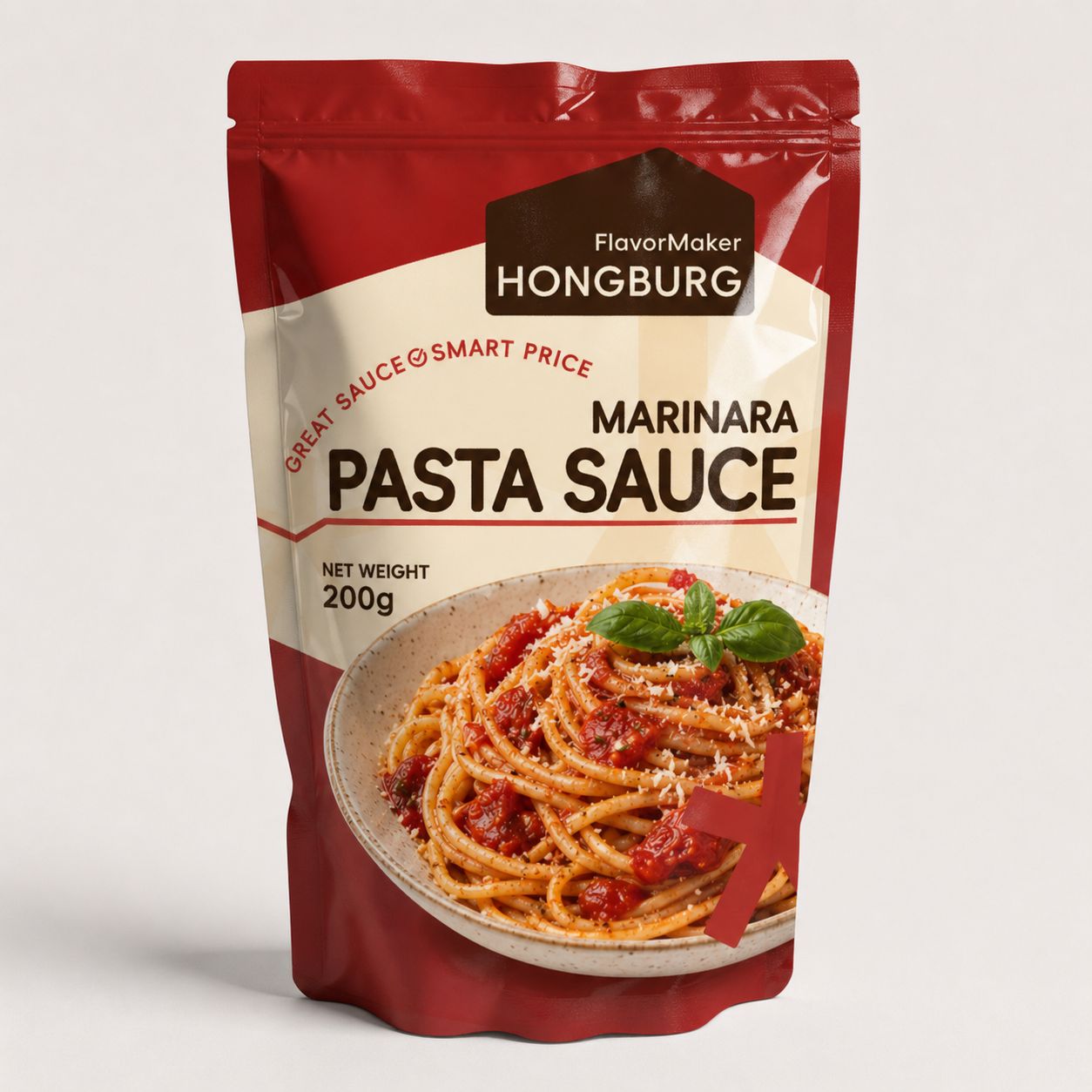
Glass jars carry a certain nostalgic weight, the kind that makes you feel responsible just holding one. But when it comes to actually keeping things fresh, that heavy transparency works against you. Light sneaks through, heat builds up, and every time you twist off the lid, you invite a wave of outside air to undo all that careful storage. A sealed pouch sidesteps the ceremony entirely—no clinking, no cracked rims, no prying with a butter knife. Just a flexible barrier that hugs the contents and lets you squeeze out the exact amount you need, then reseal in a second.
The real advantage hides in the material. Glass is rigid, which means any leftover space above the product becomes a pocket of trapped oxygen. A pouch, by contrast, can be pressed flat as you use it, collapsing around the remaining contents so there’s almost no air left to spoil anything. That simple geometry changes everything for things like coffee, spices, or dried herbs. You’re not just storing them; you’re actively protecting the volatile aromas that make them worth buying in the first place.
Then there’s the practical side people rarely mention until they’ve dropped a jar on tile. Pouches don’t shatter, they don’t take up a fixed amount of cabinet space, and they weigh almost nothing in a bag or a lunchbox. For anyone who’s ever had to wrap a broken jar in three plastic bags just to get it to the trash can, the switch feels less like a preference and more like a quiet upgrade. The glass jar may look stately on a shelf, but the pouch actually earns its place every day.
From Steam Kettle to Shelf Without Losing a Single Note
Most distillations quietly sacrifice the top notes. The bright, volatile compounds that hit you in the first second tend to vanish somewhere between the kettle and the bottle. We built our process around keeping those fragile aromatics intact, not just surviving the heat but arriving on the shelf exactly as they left the steam.
The trick isn't one dramatic move. It's a chain of small, stubborn choices—lower temperature ramps, stainless lines that don't trap oils, filling under inert gas so oxygen never gets a chance to flatten the profile. Each step removes another place where a note could slip away.
By the time a batch is sealed, it still smells like the raw material did at its best moment. Nothing rounded off, nothing dulled. Just the full character, from that first bright lift to the deep base, waiting on the shelf.
A Sauce That Stays Bold, Not Bitter, After Months
Most hot sauces lose their edge once the bottle has been open for a few weeks. The initial punch fades, the vinegar sharpens into something harsh, and what started as a lively kick turns into a dull, bitter aftertaste. This sauce was built differently from the start. Its heat comes from a slow-fermented pepper blend that locks in capsaicin without letting oxidation take over, so the flavor keeps its round, upfront warmth instead of collapsing into a metallic sting.
The trick is in the base. Instead of relying on high-acid vinegar as a preservative, we use a lower-acid citrus brine that works with the natural sugars in the peppers. Over time, those sugars mellow and deepen, but they never tip into bitterness. Even six months after opening, a spoonful tastes almost like it did on day one: bright, earthy, and decisively hot. No flat finish, no need to shake the bottle hoping for a miracle.
That staying power matters if you actually use your sauce, not just display it. You can leave the bottle on the counter, cook with it weekly, and trust that the last drop will hit as cleanly as the first. Boldness shouldn't be a temporary state. This one proves it doesn't have to be.
No Preservatives? No Problem. Here's What Actually Happens
Walk down any grocery aisle and you'll see labels boasting "no preservatives" like it's a badge of honor. But strip those chemical guardians away, and your food starts a quiet, invisible countdown. Bread turns stale faster than you'd expect, salad dressings separate into unappealing layers, and that once-creamy dip becomes a breeding ground for mold within days. It's not magic—it's biology. Without preservatives, moisture and oxygen team up with naturally occurring microbes to break down fats, proteins, and starches. The result? Shorter shelf life, more frequent shopping trips, and a lot of disappointed sniffs when you open the fridge.
Yet, there's an upside that rarely makes the front of the package. No preservatives often means the manufacturer had to rethink the entire recipe, not just swap one ingredient. You might find higher-quality oils, lower water activity through fermentation or drying, or clever packaging like vacuum seals and dark glass. Some brands use natural hurdles—salt, vinegar, citrus extracts, or rosemary oil—to buy time without the lab-sounding names. The trade-off is real: your food may live for weeks instead of months, and you'll need to actually plan meals instead of stockpiling. But for many, that's the point. You taste the ingredients, not the shelf-stability strategy.
The bottom line? "No preservatives" isn't a guarantee of freshness, health, or even better flavor—it's a signal to pay attention. Read the ingredient list, not just the front label. A product without preservatives can still be loaded with salt, sugar, or refined oils. And if you're buying from a small bakery or local kitchen, you're likely getting food meant to be eaten within days, not months. So embrace the shorter window. Store things properly, rotate your pantry, and trust your senses. That slight change in texture or aroma isn't a failure—it's what real food does when you let it be itself.
Weeknight Pasta That Tastes Like a Slow Sunday Simmer
The trick to this pasta is building layers in a single pan while the water boils. Thinly sliced onions hit olive oil over medium-low heat and get a real chance to slump and brown at the edges—this is where the slow-cooked Sunday flavor starts, even though you're only giving it about twelve minutes. A spoonful of tomato paste goes in next, sizzling against the hot metal until it darkens and turns slightly sweet. That concentrated hit matters more than any long simmer.
From there, deglaze with a splash of dry white wine or broth, scraping up every browned bit. Add crushed tomatoes, a Parmesan rind if you have one, and a pinch of chili flakes. Let the sauce bubble gently while the pasta cooks to just shy of al dente. Then transfer the noodles directly into the sauce with a little pasta water, tossing over low heat so the starch thickens everything into a glossy, clingy finish. The result is a bowl that feels unhurried—jammy, savory, and a little spicy—but it lands on the table in under thirty minutes.
FAQ
Aseptic processing sterilizes the sauce and packaging separately at ultra-high temperatures, then fills in a sterile environment. That means the sauce keeps its fresh, vibrant flavor and texture without needing preservatives or heavy cooking, unlike many traditional jarred sauces that can taste flat from long heat exposure.
Once opened, any pasta sauce should be refrigerated and used within a few days. The long-lasting benefit of aseptic packaging is for unopened storage—it stays shelf-stable for months without refrigeration and without losing that just-made brightness.
Because the sauce is heated for a very short time and then cooled rapidly, delicate aromatics like basil, garlic, and fresh tomato notes aren't cooked away. The result is a sauce that tastes closer to a slow-simmered batch from your own kitchen, not something that's been simmering in a jar for hours.
Absolutely. The sterile processing itself is the preservation method, so brands don't need to add sodium benzoate, potassium sorbate, or other chemical preservatives. Check the label—many aseptic sauces have a short ingredient list with things you'd actually cook with.
Yes, it's fully cooked and safe to eat cold, though most people warm it for pasta. It's also handy as a pizza base, dipping sauce, or quick shakshuka starter straight from the pack because there's no need to reduce excess liquid like you might with some watery jarred sauces.
The lightweight, multilayer packaging is part of the aseptic system. It blocks light and oxygen better than clear glass, which helps keep nutrients and color intact. Plus, it's easier to store, transport, and squeeze out every last bit without scraping the sides of a jar.
It won't replace a sauce you've simmered with fresh tomatoes from your garden, but it's remarkably close for a shelf-stable product. The quick heating locks in bright acidity and herb flavors, so it tastes much fresher than sauces that sit in jars for months after a long cook time.
Conclusion
That jar of sauce sitting in the pantry often tastes more like the shelf it came from than the tomatoes that went into it. Aseptic pasta sauce flips that expectation by using a rapid steam-kettle process and a sealed pouch that locks in the just-opened aroma without any need for refrigeration before opening. The pouch itself is a quiet advantage: it heats and cools faster than glass, which means the sauce spends less time exposed to heat stress and keeps its bright, fresh profile. Fresh basil, ripe tomato, and roasted garlic stay recognizable rather than fading into a generic red sauce. Instead of developing a dull, metallic edge over months, the sauce holds onto the herbs, garlic, and slow-cooked depth you'd expect from a Sunday simmer.
What makes this possible isn't a longer ingredient list or a hidden preservative. The sauce is sterilized in the pouch after cooking, so the same bold flavors survive from the steam kettle to your plate without chemical help. That's why a weeknight pasta can carry the weight of a low, patient braise while still tasting lively and clean. You get shelf-stable convenience, but the payoff is sensory: no fridge required, no bitterness, no compromise. For busy cooks, that means fewer last-minute trips to the store and more confidence in what’s on the plate. It's a smarter way to keep freshness on hand—not by adding anything, but by protecting what was already there.
Contact Us
Contact Person: Peter Song
Email: [email protected]
Tel/WhatsApp: +86 18920189778
Website: https://www.hongburg.com