
Anti Counterfeit Heat Transfer Labels Solutions for Unbreakable Brand Security
2026-08-16
Counterfeit products are more than a nuisance—they silently erode trust, revenue, and reputation. Yet many brands still rely on packaging alone, unaware that even the most convincing label can be copied in days. What if your product could carry an identity that fakes simply cannot replicate? That's where Victorygen heat transfer label changes the game. Blending covert security features with everyday practicality, these labels don't just mark your goods—they lock in authenticity from factory to shelf. In this post, we unpack how anti-counterfeit heat transfer labels are becoming the unbreakable shield for modern brand security.
The Anatomy of a Counterfeit-Proof Heat Transfer Label
A counterfeit-proof heat transfer label doesn't rely on a single printed image. Its base is a release liner, followed by a functional coating that lets the label detach cleanly under heat and pressure. The printed layer often carries microtext, guilloche patterns, or color-shifting ink, all of which are difficult to replicate with standard equipment. Above that sits a tamper-evident film or void layer that fractures or leaves a visible mark if someone tries to peel the label after application.
The real defense usually hides in the adhesive and substrate layers. Some designs embed taggants or UV-sensitive fibers directly in the adhesive, while the topcoat may use a brittle resin that cracks on removal. Together these elements force a counterfeiter to reverse-engineer not just the visual design but the entire thermal transfer process. That raises the cost and complexity far beyond what most illicit operations are willing to absorb.
How Heat Transfer Labels Create a Tamper-Evident Seal Without Compromising Design
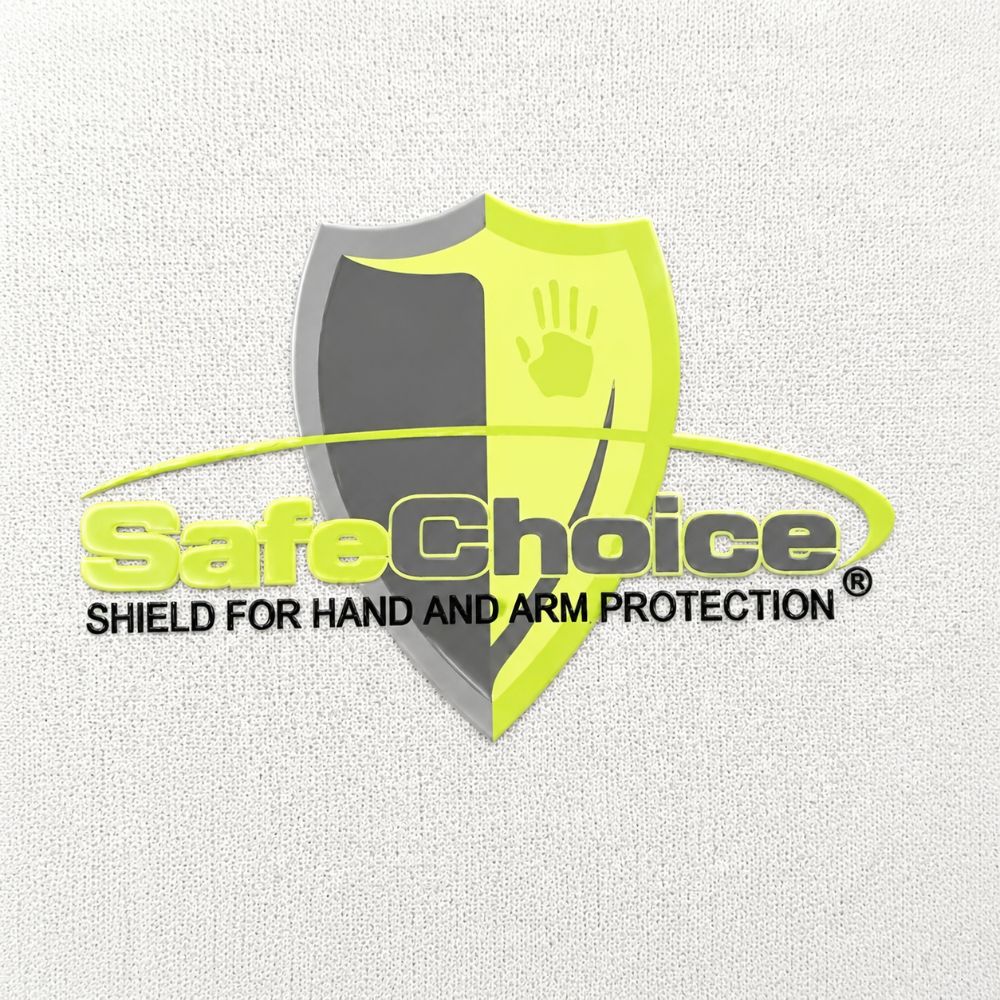
Heat transfer labels create a tamper-evident seal by introducing a built-in stress point that activates only when someone tries to remove the label. Under heat and pressure, the label's carrier film releases its printed layer onto the container, and the adhesive crosslinks tightly with the material surface. Once cooled, any attempt to peel or lift the label causes that bonded layer to fracture along micro-perforations or release in uneven patches. The result is either a clear "VOID" message left on the container or a damaged graphic that cannot be realigned, making it immediately obvious that the seal has been disturbed.
The design advantage comes from hiding this failure mechanism inside the label's own layers. There is no need to cover part of the artwork with a separate tamper tape or a bulky foil sticker. Instead, the security feature works through the same heat-transfer process that carries the brand graphics, so fine details, metallic finishes, and gradient blends stay untouched. On the shelf the package looks like it has a standard decorative transfer, but the label will destroy its own image or leave a permanent mark if anyone tries to remove it, giving a discreet yet highly effective tamper indicator without adding visual clutter.
Choosing the Right Substrate and Adhesive for Unyielding Label Adhesion
Surface texture, flexibility, and chemical exposure all shape how well a label stays put. A rough or powder-coated metal might reject a standard acrylic adhesive, while a smooth glass vial demands something with high initial tack. Before choosing anything, run a simple tape test on the actual substrate, not a clean lab sample, because real-world surfaces carry oils, release agents, or moisture that quietly break the bond.
Adhesive selection often comes down to two overlooked factors: service temperature range and dwell time. A rubber-based adhesive can grab instantly but may soften near engine heat, whereas a modified acrylic builds strength over 24-48 hours and tolerates cold or humidity better. For low-energy plastics like polypropylene or powder coat, consider a high-tack hot melt or a specialty adhesive with a surface energy primer built in; otherwise the label peels off within days.
Pair the label face stock with the adhesive as a system, not separate parts. A flexible polyolefin label on a squeezable tube needs an adhesive that moves with the substrate, while a rigid polyester label on a curved pipe might need a conformable adhesive layer to avoid edge lift. Testing under end-use conditions—not just room temperature—reveals whether the combination survives thermal cycling, abrasion, or occasional solvent splash before you commit to a full run.
Integrating Covert Security Features into Heat Transfer Labels for Layered Protection
Heat transfer labels offer a unique substrate for covert security because the printing and transfer process can embed authentication markers without altering the label's visual appeal. Unlike overt features that are immediately visible, covert elements remain hidden until examined with specialized tools or under specific lighting. This inherent subtlety makes them ideal for brands that need to protect products discreetly while maintaining clean, retail-ready packaging.
Integrating covert features into heat transfer labels often involves blending specialized inks or taggants into the transfer layer. For instance, ultraviolet-responsive compounds can be printed as invisible patterns that only emerge under UV light, while microtext or nano-scale identifiers can be incorporated into the label design at a resolution too small for standard reproduction equipment. These elements survive the heat transfer process intact because they are formulated to withstand the required temperatures and pressures, becoming a permanent part of the applied label.
The real strength of layered protection lies in combining these covert markers with overt and semi-covert features already present on the label. A counterfeiter might successfully mimic the visible brand colors or basic design, but duplicating the exact spectral response or microscopic detail of a covert taggant requires specialized knowledge and materials. This layered approach forces verification at multiple levels, making large-scale replication economically unfeasible and giving brand owners a reliable method to authenticate products throughout the supply chain.
Supply Chain Traceability with Serialized Heat Transfer Labels
Serialized heat transfer labels turn every product into a traceable unit without slowing down the line. Each label carries a unique code that links a physical item to its digital record, from raw material batch to final shipment. This creates a single source of truth that can be checked at any handoff point, reducing guesswork when a recall or audit hits.
Unlike manual logs or generic barcodes, serialization allows teams to pinpoint exactly which pallet, case, or individual item came from a specific production run. If a defect is found downstream, the affected range can be isolated in minutes rather than days. The heat transfer process itself adds durability, so the code remains readable through washing, abrasion, or temperature swings that would destroy a standard adhesive label.
Operationally, this means fewer disputes with suppliers and faster reconciliation at receiving docks. A quick scan confirms origin, lot number, and chain of custody without opening cartons or relying on paperwork. For brands managing multiple contract manufacturers, serialized labels keep everyone accountable without adding headcount to the quality team.
Field-Tested Durability: Heat Transfer Labels That Survive Harsh Environments
Heat transfer labels often look great on day one, but the real test comes after months of sun, abrasion, and chemical exposure. Our labels are put through accelerated weathering, salt spray, and temperature cycling from -40°F to 300°F. The result is a label that won't crack, fade, or peel even when equipment is pressure-washed or dragged through gravel.
What separates these from standard transfers is the resin system and adhesive layer. We use a cross-linked polymer that bonds to powder coat, bare metal, and textured plastics without lifting at the edges. In field trials on construction gear and agricultural machinery, the printed graphics remained legible after 2,000 hours of UV exposure and repeated contact with diesel and hydraulic fluid.
You don't need to take our word for it. Request a sample pack and run your own abrasion or solvent test. If the label doesn't hold up under conditions that would destroy a conventional transfer, we'll replace it and help you find a substrate match that does.
FAQ
These are labels that combine heat transfer application with several layers of security features. A typical design includes a carrier film, a release layer, the printed security elements, and an adhesive that activates under controlled heat and pressure. Once applied, the label becomes part of the substrate rather than sitting on top like a sticker, which makes it far harder to remove and reuse.
They protect brands on multiple levels. Visually, they can carry microtext, guilloche patterns, or colour-shifting inks that are nearly impossible for counterfeiters to reproduce accurately. Covertly, features like UV-visible marks or taggants can be verified with a small tool. And because the transfer process embeds the label into the surface, any attempt to peel it off usually destroys the label or leaves obvious damage on the product.
Standard stickers sit on top of a surface and can often be lifted with heat or solvent. Heat transfer labels fuse into the material itself. After application, the carrier is removed and only the thin security layer remains, so there is no edge to get a blade under. This makes swapping, tampering, or transferring a genuine label to a fake product significantly harder.
You usually see them in pharmaceuticals, cosmetics, electronics, automotive parts, apparel, and liquor. Anywhere that a brand faces parallel imports, refilling of empty containers, or direct imitation, heat transfer security labels are useful. For example, a cosmetic jar with a transfer label on the bottom or cap is harder to open and refill without obvious damage.
Yes, and that is generally recommended. You can adjust the size, shape, colours, and security layers to match the packaging surface. A label for a curved plastic bottle would use different film and adhesive properties than one for a flat metal part. Customization also lets you include unique elements such as serialized QR codes, hidden text, or chemical tracers that are only matched to your production batch.
Since the label fuses with the substrate, it has good resistance to abrasion, moisture, and temperature swings. The exact durability depends on the substrate and the chosen adhesive system, but many formulations are designed to survive refrigeration, hot water cleaning, or outdoor exposure. The key point is that unlike a sticker, it will not simply peel off after repeated handling.
Application usually requires a heat press or an automated labelling station with a heated roller or platen. The exact temperature, pressure, and dwell time depend on the substrate and the label construction. For high-volume lines, the labels can be applied with an in-line machine at speeds similar to other packaging operations. For smaller batches, a manual heat press is enough.
Start by identifying where imitation or tampering hurts most, then ask a label supplier to run a compatibility test on the actual packaging material. They will likely provide sample labels and adjust the heat settings to your production line. From there, you can add covert or digital features like serialized codes and decide how your field teams or customers will verify the labels. A phased rollout is often less disruptive and lets you fine-tune the security mix.
Conclusion
A truly counterfeit-proof heat transfer label starts with deliberate construction. The label's face stock, release liner, and adhesive system are engineered as a single unit, so any attempt to peel or reposition it fractures internal layers or leaves visible fiber tears. Because the label becomes part of the product surface rather than sitting on top of it, the tamper-evident seal stays subtle enough to preserve fine typography, gradients, and even tactile finishes. Pairing this with a substrate matched to the product material—whether glass, polypropylene, or powder-coated metal—and an adhesive cured for both initial grab and long-term shear resistance means the label cannot be lifted cleanly with heat or solvent. That physical bond is the first line of defense.
Layered protection goes further by embedding covert markers into the ink or adhesive: taggants, UV-responsive microtext, or infrared-only patterns that field inspectors can verify but counterfeiters cannot see. Serialized codes on each label turn that covert layer into a traceable event. When a distributor, retailer, or end customer scans a unique identifier, the item's journey through the supply chain becomes visible in real time, exposing diverted stock or cloned batches. Crucially, these features survive where ordinary labels fail. Exposure to abrasion, jet fuel, salt spray, or repeated sterilization does not fade the taggant or delaminate the label. The result is a heat transfer label solution that holds brand security together from factory floor to final use.
Contact Us
Contact Person: Wang Song Lin
Email: [email protected]
Tel/WhatsApp: +8613751282193
Website: https://www.heat-transferprinting.com/